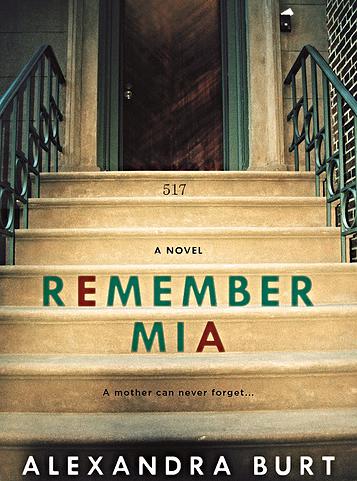
(Alexandra Burt is our guest author today. Born in Germany, she moved to Texas, married, and worked as a freelance translator. Determined to acknowledge the voice in the back of her head prompting her to break into literary translations, the union never panned out. She decided to tell her own stories. Her books include Remember Mia and The Good Daughter. She is working on her third novel.)

I feel awkward telling my readers that growing up I never had an inclination toward becoming a writer. Too often I’ve heard of authors writing since they were children. Jane Austen is known to have flexed her creative muscle as a teenager, writing sentimental stories to entertain her family and Virginia Woolf produced magazines about family outings. Their early efforts prepared them for dozens of novels they would write later in life.
I had never written a single word until about seven years ago. Reading a particularly bad book, I thought I could do better as if armed with my love of reading was enough to write a breakout novel. I spare you the details. Let me just say it became apparent that much was to be learned and it took years to pen a story that was remotely well crafted, coherent, and entertaining.
If you want to write, there’s good news and bad news. The good news first: you can become a solid and successful writer without coming from any sort of literary DNA or being born with a pen in your little clumsy hand destined to take the world by storm. The bad news is that you have to put in the time and learning the craft of writing is hard work. Like… hard work.
I went after it with a baseball bat. Hours a day. Every day. I read, I enrolled in classes, studied books on writing, and I wrote. Every day. I still wrote badly and did so for a very long time. See, epiphanies and experience take time, no ifs, ands, and buts about it, but eventually my stories became coherent. What I learned along the way was that craft was nothing more than using the tools of the trade and we all know what a good story calls for: a hook, a compelling setup, a killer plot, thrilling beginnings followed by perfect middles, completed by satisfying endings. The tools of the trade are nothing more than the application of POV, tense, dialogue and action, narrative and exposition. All those tools at your disposal allow you to masterly lure the reader into the worlds of your characters.
But having those tools does not a book make.
A novel is like a wristwatch; there’s the rather unassuming case that houses the watch mechanism, a clock face, and two hands. Seems simple enough, doesn’t it? But crack open that case and intricate parts and mechanisms become apparent; there are springs controlled by more springs, unwinding into a controlled and periodic release of time. A force is transmitted through a series of gears which oscillate back and forth and with each swing of the balance wheel the hands move forward at a constant rate. And in the background you hear a constant ‘ticking’ sound. Like a wrist watch uses a mechanical apparatus to measure the passage of time, a writer—unbeknownst to the reader—aligns the elements of an intricate story at a certain pace and in the end, if the writer times it just right, the reader will rejoice and give you their time and feel as if they’ve been in good hands.
But there’s more. There’s a part of writing I call art. If craft is execution, art is the design of the novel. If craft is the metal case that houses the watch mechanism, the clock face and the hands, the screws that hold it all together, the springs and gears, then art is the way you put the parts together, the way they connect with fickle timing, and the constant ticking in the background. Like every single component inside a watch, the individual parts must be assembled just right to tell time accurately, to produce that tick tick tick. It’s nothing you do overtly. It’s not like you sit down and tell yourself I’m going to produce a work of art. It’s just you telling a story the way only you can. So in a way you are your art.
See, you are all you have and if you are so inclined, take the leap and tell a story. Steady and balanced, combine craft and art, build something that causes a ticking sound in the background, alive like the beat of a heart.
Go!


 By Gale Albright





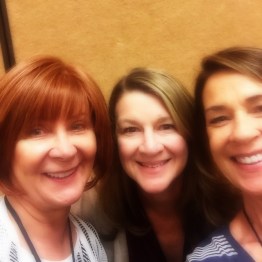

 With Killer Nashville 2016 now over, I’m back to my daily grind but with a new perspective on both my own work and the industry in general. Most important, I’m reminded how lucky I am to be able to tell stories and spend my time around others who love to do the same thing.
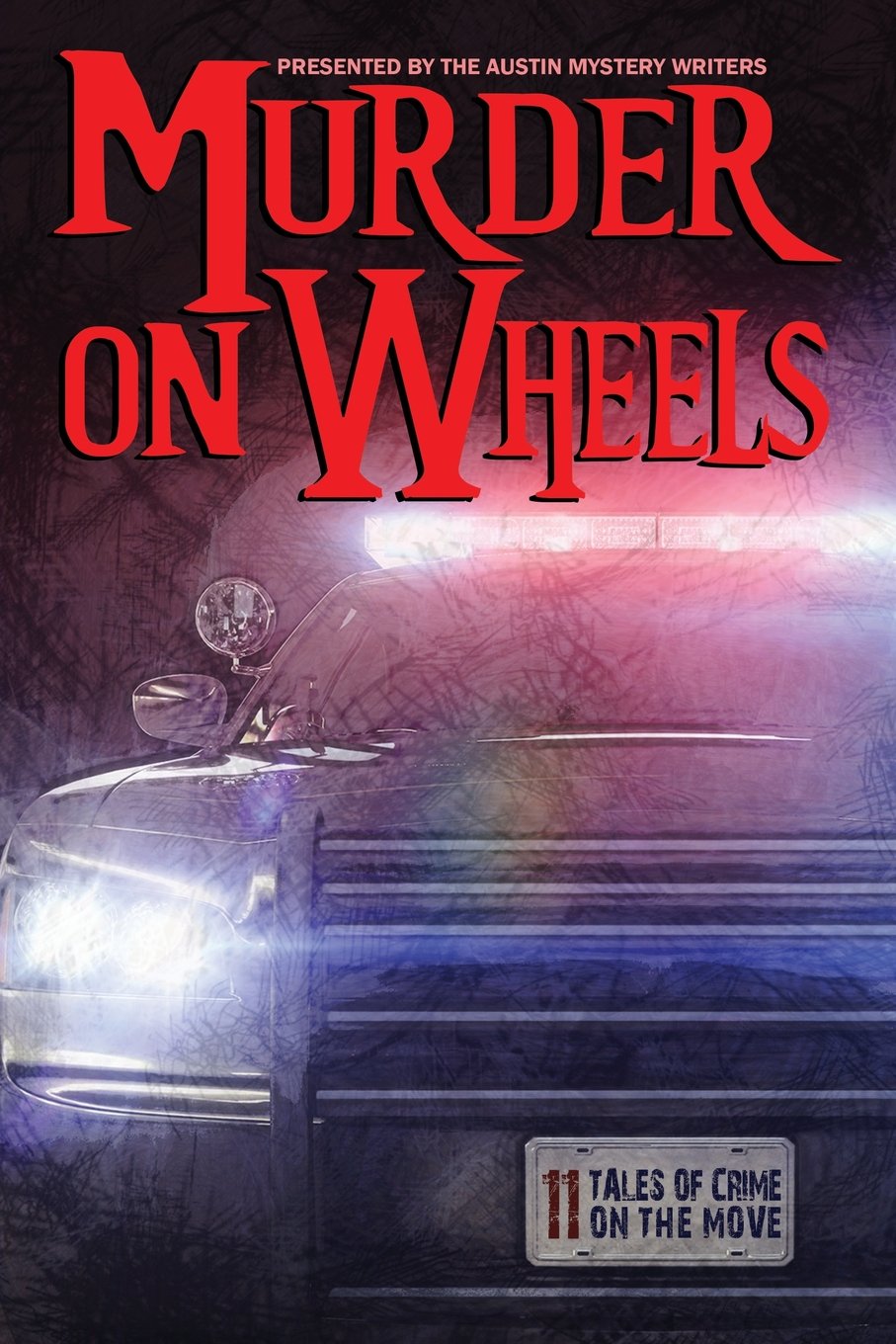
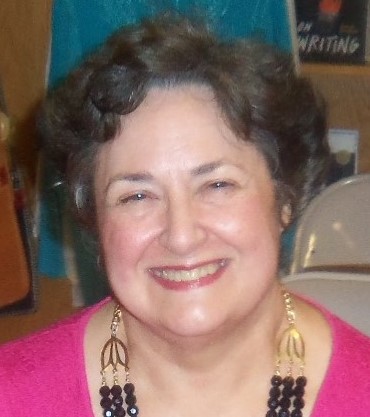





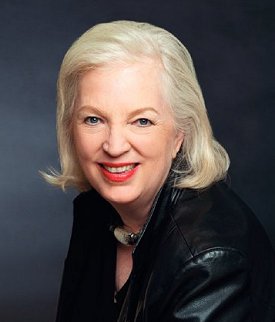
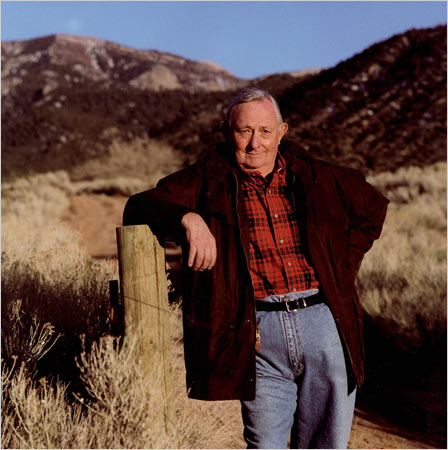

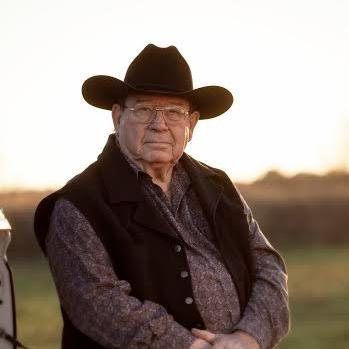


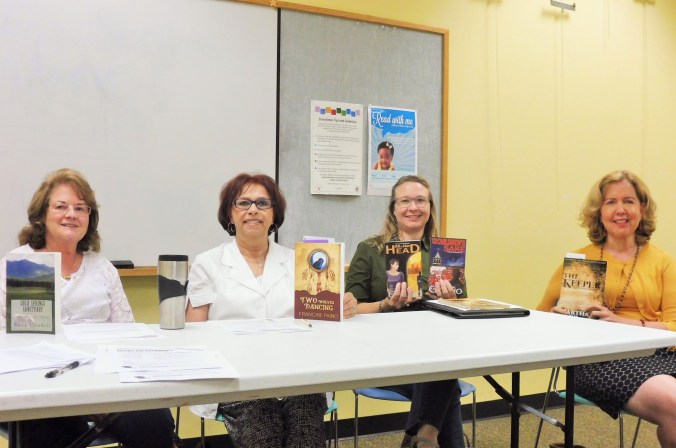


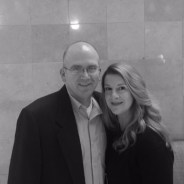
 It seems that a solid sense of humor is a requirement in each of these fields, as Billy, Manning and Martin shared stories that were equal parts heartbreaking and humorous. Like any profession that is also a passion, the work is made easier by the love for it, but the injustices are more painful for the same reason. Manning’s debut mystery novel, Dollar Signs, is loosely based upon one of her cases while working as an Austin attorney, and the nuances of that case are brought to life, mixed with a healthy dose of savvy storytelling. When asked what had prompted her love of reading during her childhood, Manning gave credit to a librarian in her life. “Once I started, I just took off and read every book in the library. Books were a way for me to escape my small town and expand and travel in many ways, all while just sitting in my room.”
 Martin shared with us that, while he would have loved to have spent his entire military career in Korea, the Army decided to send him back to the States to serve as a recruiter. It was during this time that he decided he would use his spare time to write. “I had wanted to write for twenty years, and at that point, I decided to give myself permission.” That decision was the catalyst that sparked a successful writing career, one that has allowed Martin to share his fascination of both Korea and time period in which he served in that country.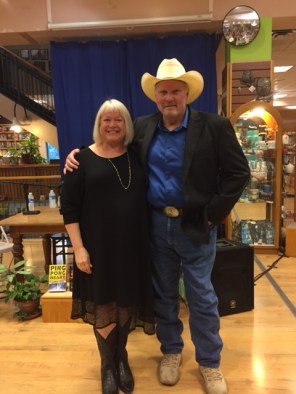


 Austin Mystery Writers