Imposter at the Library

By Kathy Waller

In late October, I spoke at the J.B. Nickells Memorial Library in Luling, Texas. An author talk, although I feel like an imposter calling it that. I write slowly, have published only a few short stories plus a novella co-written with a real author, haven’t published a novel of my own, . . .  I’m not really an author . . . Well, you get the idea.

The condition is not new, and I’m not the only sufferer. New Austin Mystery Writer Noreen Cedeno recently posted on Ink-Stained Wretches Bouchercon and the Imposter Syndrome. On today’s Writer Unboxed blog, Rachel Toalson posted The Terrible, Horrible, No Good, Very Bad Imposter Syndrome Crisis. Nobody looking at these two writers’ lists of publications would describe either as an imposter—they are writers. I, on the other hand, am an imposter.

When invited to speak in Luling, however, I didn’t let impostership stop me. I said, Yes. I had my reasons.

In the first place, I love talking about books. I’d rather talk about other people’s books, but since retiring as a librarian, I don’t get to give booktalks anymore. I miss that.

In the second place, I was born in the old Luling Hospital and six years later left my tonsils there. I grew up, and lived for years after, in Fentress, a very small town ten miles from Luling. I was a member of the Rainbow Girls chapter in Luling. I spent a lot of time at the Luling DQ. My maternal great-grandparents lived there; my grandmother was born there. My mother’s family lived there for two years when she was in junior high (and she and her sister were the first girls to wear shorts to play tennis in Longer Park). And two cousins on my father’s side who grew up three blocks up the street from me in Fentress married Luling natives. In short, Luling is my old stomping ground.

I wanted so much to speak in Luling that I decided to pretend I was a real author.

Note: I’m not a total fraud. I mean, I not only gave booktalks at my libraries, I once gave a booktalk at a meeting of the Seguin, Texas, Kiwanis Club. I was a professional librarian. Real.

As a professional, I arrived prepared: outline, notes, quotations, copies of the anthologies containing my short stories and of the novella co-written with Manning Wolfe. The librarian escorted me to the room where I was to speak. I laid out my books and materials.

Then things fell apart.

About a half-hour before the presentation was to begin, kinfolk arrived: Peggy, a second cousin whose family lived up the street in Fentress; Brownie, her late sister’s husband; and Brownie’s daughter and son-in-law and granddaughter. I hadn’t seen them in forever. So the family reunion began.

By the time I went on stage, so to speak, I was was having so much fun that I scrapped my notes and just talked. And talked. And talked.

Minna Katherine Stagner Veazey and Col. John L. Veazey

First, I shared some local history that has faded from the town’s memory: the story of my great-grandfather, Col. John L. Veazey, who took his wife and two young daughters to Cuba for the Spanish-American War, and who was murdered in broad daylight on Luling’s Main Street in 1904. No one in the audience had heard the story. I told other stories. I talked about writing. I had a drawing and gave away some books. I talked.

Afterward, there was more family reunion, and Fentress reunion, since one member of the audience was the daughter, and the granddaughter, of Fentress residents.

I had the time of my life.

Then speaker’s remorse set in. I had done a terrible job, just babbled, talked too fast, bored the dickens out of everyone, left my education at home, made a fool of myself—it’s not like I don’t know how to conduct myself before an audience, but I totally forgot myself, lost all sense of decorum, and was just awful. Imposter author, imposter speaker. Simply dreadful.

But. One man—actually, the only man who stayed for the program—Tom Brown Webb, Jr., familiarly known as Brownie. He married my cousin Janell Waller sixty-nine years ago, when they were both nineteen. That was just before my fifth birthday. When I was a child, I knew Janell and her sisters were princesses. She died nearly four years ago,

During the reunion, I told Brownie something I’d wanted to say for a good while—I thanked him for being so nice to me when I was a disgusting and ever-present four-year-old extremely excited about wedding plans; he always treated me as if I were a real person and not just a little kid.

He left right after I finished speaking. I just knew he’d been so bored that he couldn’t wait to get outta there. But we had all agreed to meet soon for lunch at a cafe in Fentress. I would apologize then.

Last week, nine days after we met at the library, Peggy called to say Brownie had died. Unexpectedly. She also said he’d enjoyed his evening at the library. His daughter said the same thing, that he’d talked a lot about it, said he learned things he hadn’t known, that he could “just see” everything I described, and “wouldn’t your mother have enjoyed that.” After the funeral, his son-in-law told me the same.

Imposter Syndrome. If I’d given in to it and declined the invitation to speak in Luling, I wouldn’t have seen Brownie one last time. I wouldn’t have told him how much I appreciated his kindness to a little girl. I wouldn’t have known he enjoyed listening to the stories I  told. I wouldn’t have the memory of a happy time with a treasured relative.

I still feel like an imposter. But I’m finished with speaker’s remorse. Brownie enjoyed my talk. That’s all the validation I need.

***

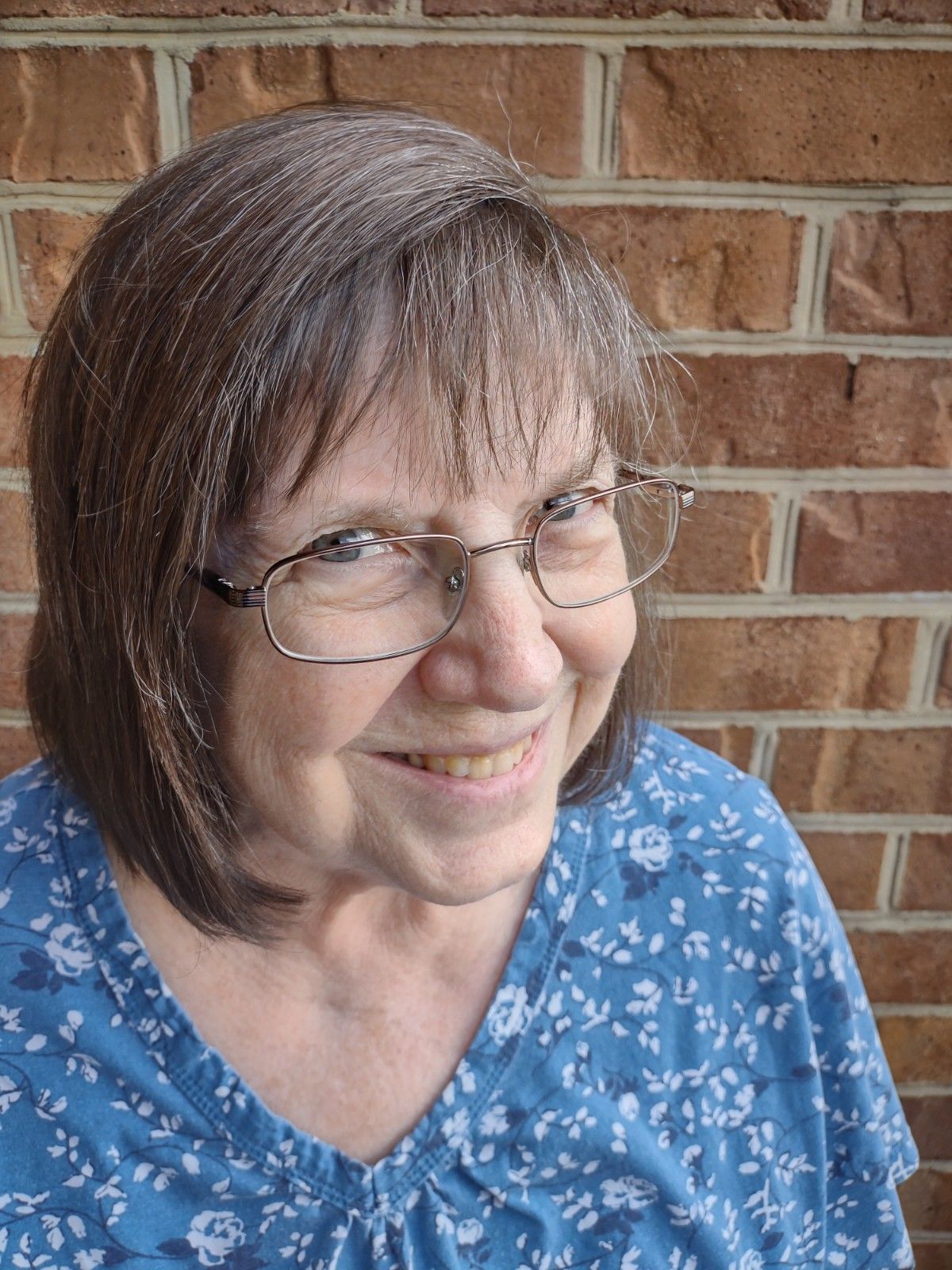
Kathy Waller blogs at Telling the Truth, Mainly. She has almost completed a draft of a mystery novel. When she gets to “The End,” she will no longer feel like an imposter, probably.

She is grateful to fellow Austin Mystery Writer  Helen Currie Foster for telling the librarian at the Nickells Library that she is a writer, and for not mentioning that she is an imposter,



The Value of (Human-Created) Art

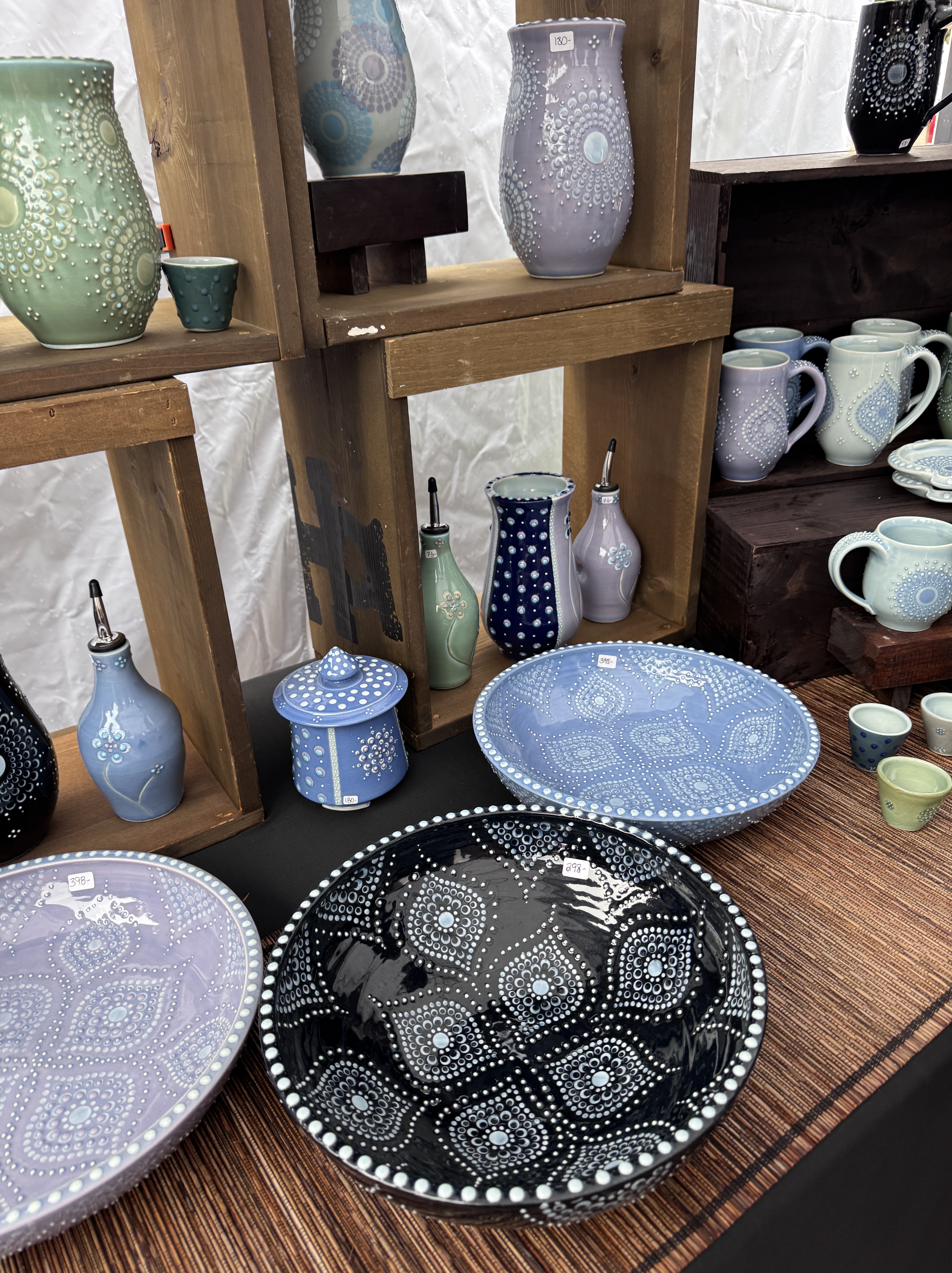
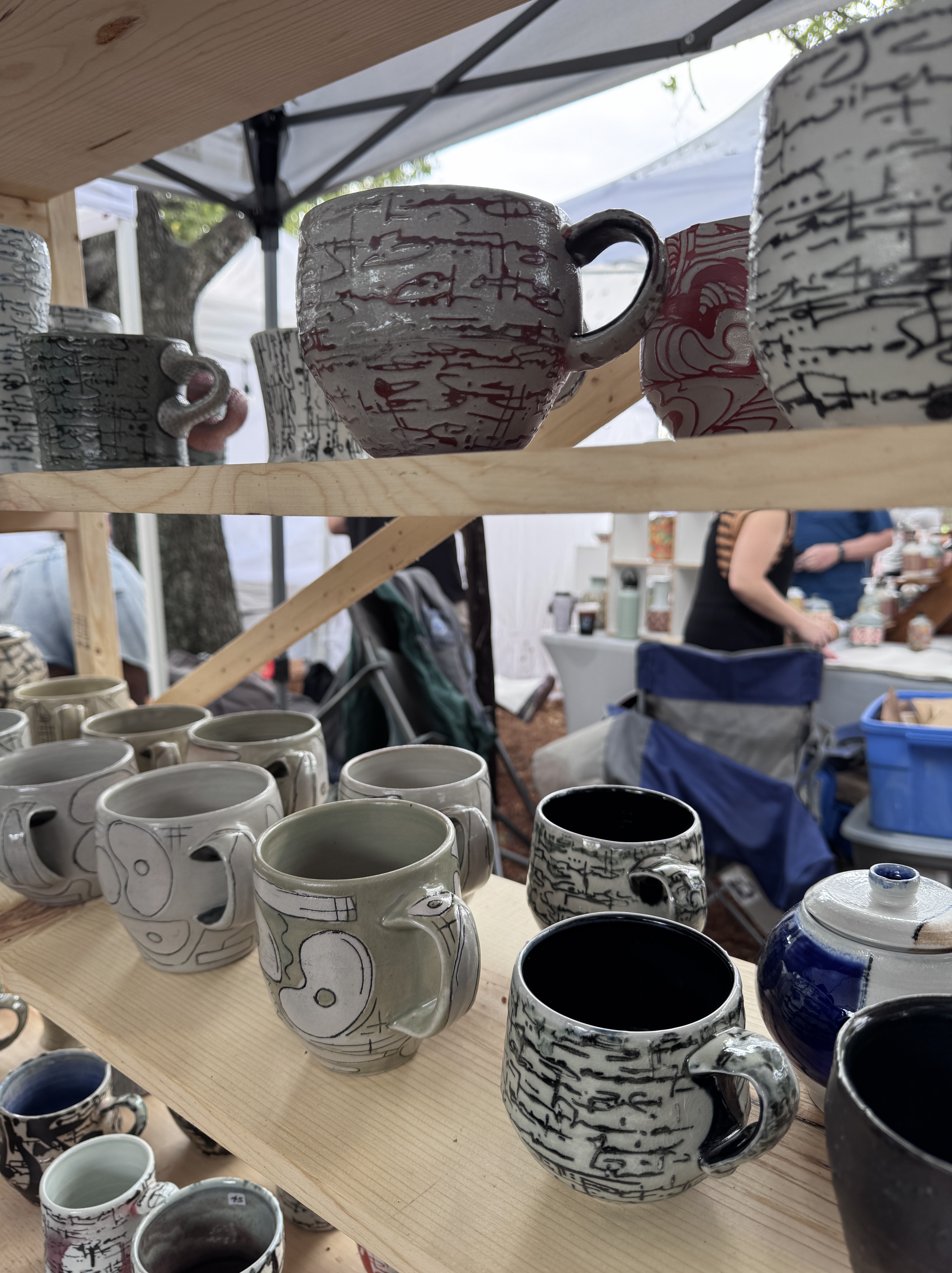
I recently spent a Saturday in Gruene—a historic district of New Braunfels known largely for Gruene Hall, a dance hall famous for hosting iconic musical talents including Lyle Lovett, Lucinda Williams and Willie Nelson. Gruene regularly hosts artist events and attracts people who appreciate art in its many forms. Recently, Gruene hosted the 33rd Annual Texas Clay Festival, an event showcasing the work of 80 talented potters and clay artists. 

As I took my time admiring each booth’s offerings, I was moved by the sheer diversity of design and how many ways a single piece of clay could be transformed into something beautiful, something useful, something unique. It felt as though each artist revealed their specific personality through their offerings.  For someone who the phrase, “throwing a bowl” means something entirely different, I enjoyed learning about how they practiced their craft.  One artist’s style—employing technique and tools similar to Ukranian Pysanky egg etching—caught my eye. I stopped, we chatted, and I fell in love with her work. I’m writing this post while drinking coffee from one of her stunning mugs. Her art continues to brighten my day, and this experience reminds me that art in all its forms, offers an experience. 

I’m sometimes drawn to art because of the story behind the piece and the story of the person creating it. For me, those things are all intertwined, connected. Art touches us in a way that’s not easily quantified but deeply resonate. It’s distinctly personal, particularly human.

AI tools have now entered the chat. It can feel discouraging for artists to create in this new era of AI and LLM tools, all claiming to write/design/create better than we can. But can they, really? 

I don’t think so.

 I can’t imagine those creations will connect with people in the same way. Human created art moves us, stirs something in us, stays with us. AI will likely improve certain aspects of science, automation, engineering, and medicine—which is not something I discount– but art? We need less RAM and more soul. 

AI has exacted a particular kind of pressure on those who create for a living. I am one of many authors whose novels and short stories were found in LibGen, a database of pirated works that was used to train Meta’s LLM. I was neither asked nor compensated, and while Anthropic is in the middle of a settlement suit related to their own behaviors, I have little faith that these companies will do better in the future. They’ve shown us who they are. I’m taking Maya Angelou’s advice on this one. 

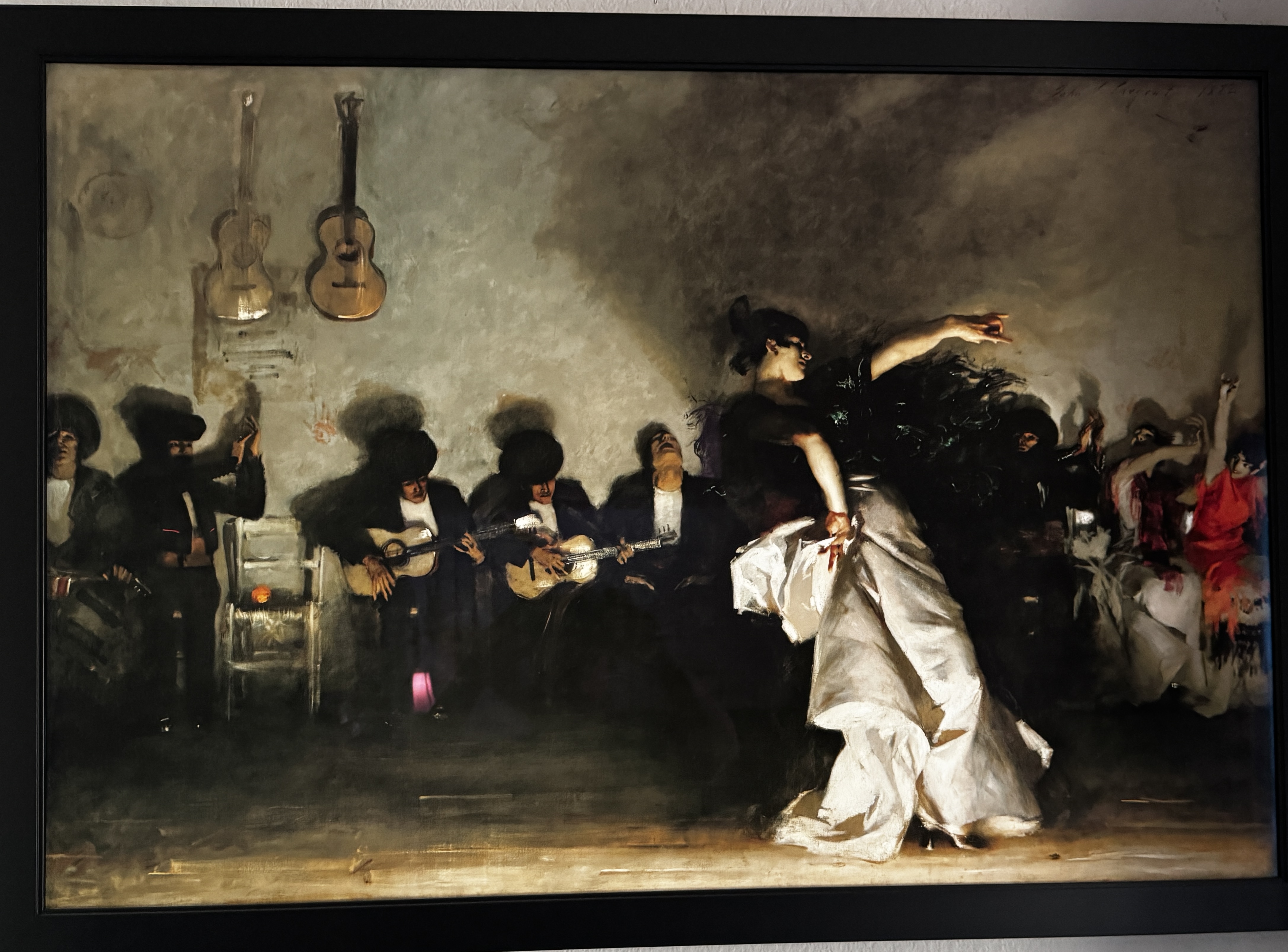
You know those authors whose distinct voice shines in their work (Sara Gran and Tana French)? The musician whose sound and lyrics move you to hit ‘replay’ countless times (Stevie Nicks, Prince, Tom Petty)? The painting that moves you? I still remember the first time I saw Sargent’s El Jaleo at the Isabella Stuart Gardner Museum in Boston. I was deeply drawn to its movement, beauty and scale. Which artists move you and why? And if you’re an artist, what compels you to continue? Whatever it is, keep it close and tend to it often because what you create might be a gift to others. 

I’m still writing because it’s what I’ve always done. I don’t know how to stop, nor do I want to. I see the world in stories, and there are still so many characters and places I need to explore. I simply can’t imagine doing anything else. For me, writing a novel is like following a winding trail, filled with side quests and new discoveries. My process is sometimes messy, often imperfect and completely human. 

And one more thing—I’ve used the em dash for longer than I can remember and probably more than is recommended. Em dashes aren’t a sign of using LLMs—we were here first. =)

Pottery Artists:

https://www.shannonceramics.com

https://kopottery.com/

https://www.3rdcoastclay.com/who-we-are

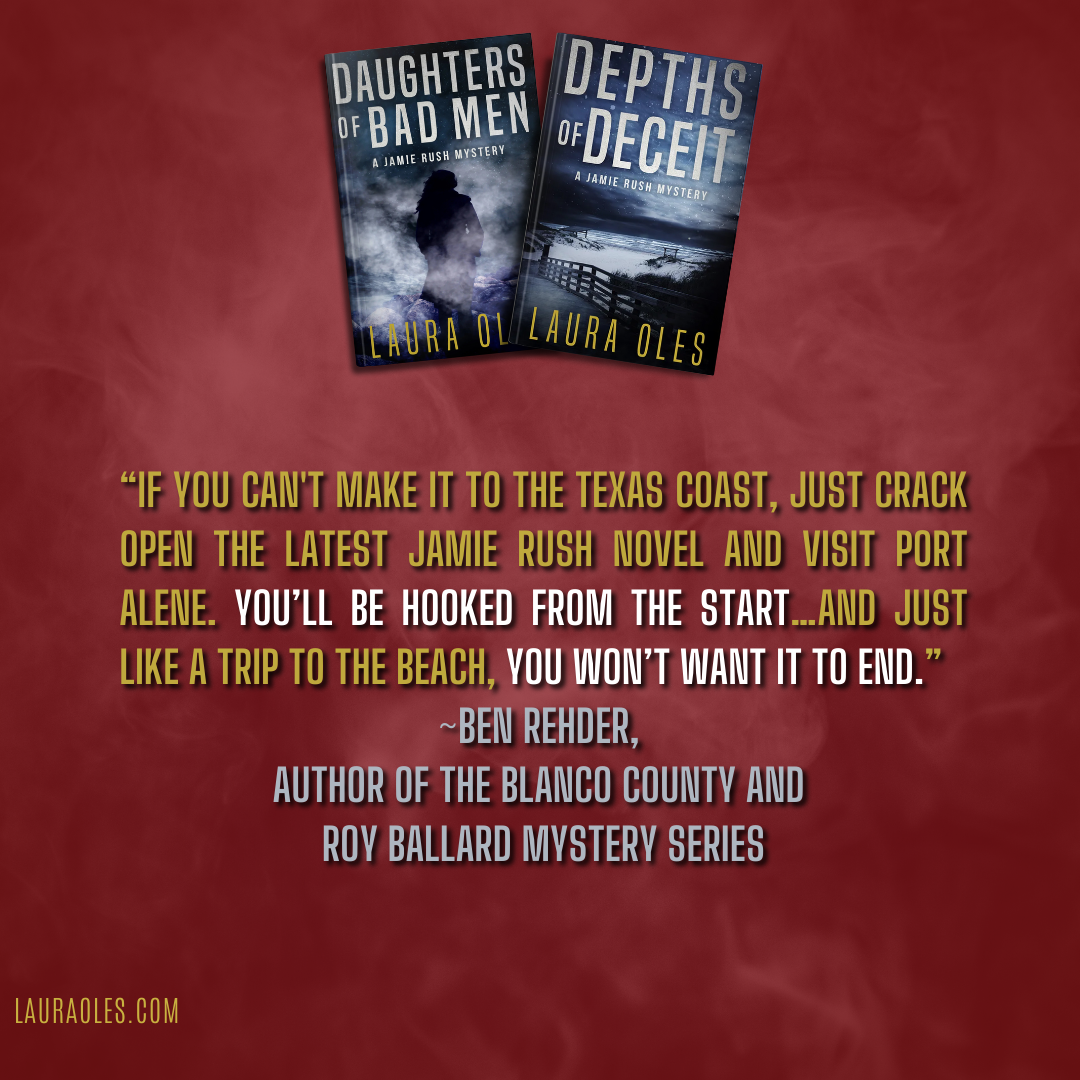
Laura Oles is the award-winning author of the Jamie Rush mystery series. Her work has appeared in crime fiction anthologies, consumer magazines and business publications. Her debut mystery, Daughters of Bad Men, was an Agatha nominee, a Claymore Award finalist, and a Writers’ League of Texas Award finalist. Depths of Deceit, her second novel, was named Best Mystery by Indies Today.She loves road trips, bookstores and any outdoor activity that doesn’t involve running.She lives in the Texas Hill Country with her family.

Naming Characters: Steve Dauchy MacCaskill

Kathy Waller

I’m working on a mystery novel—I’ve been working on it for years, but am now seeing the light at the end of the tunneland am faced with dilemmas too numerous to whine about in only one post, so I’ll move along.

I will instead write about the one pleasure of the writing life: creating and naming characters.

My novel is set in a little town very like my own hometown. I don’t base my plot on real events, and I don’t use real people as characters—with one exception: Steve Dauchy.

Not Steve, but close

Note: One of my readers, Dr. Cullen Dauchy, knows more about Steve than I do, especially about his early life, and I hope he’ll feel free to correct any errors.

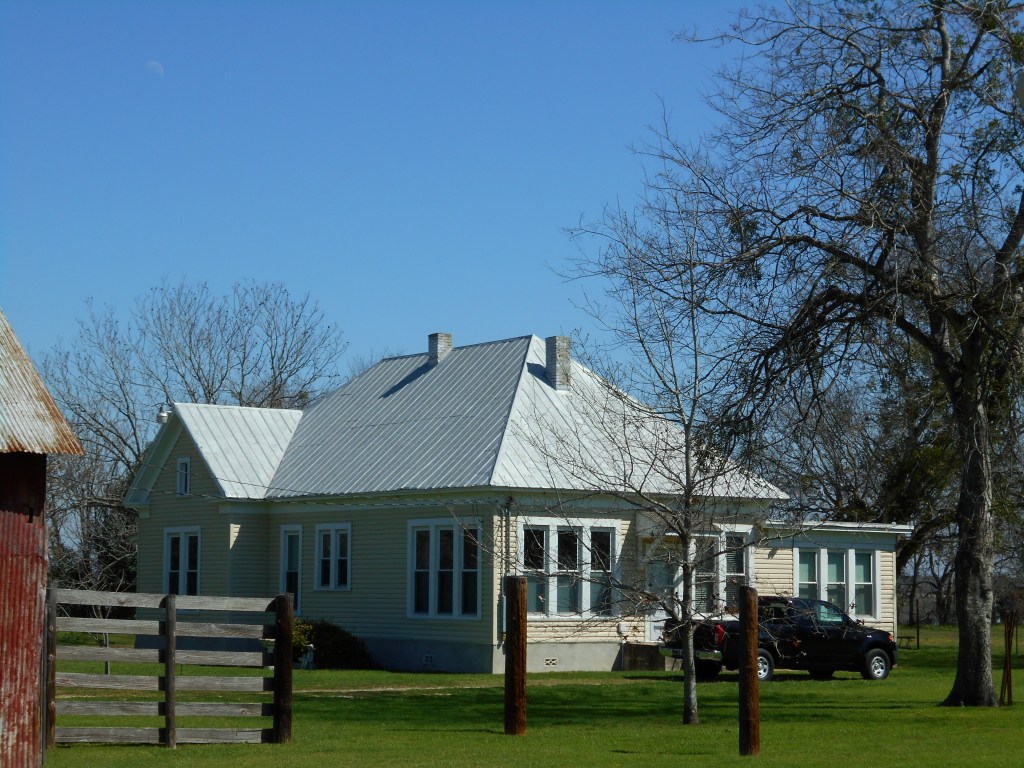
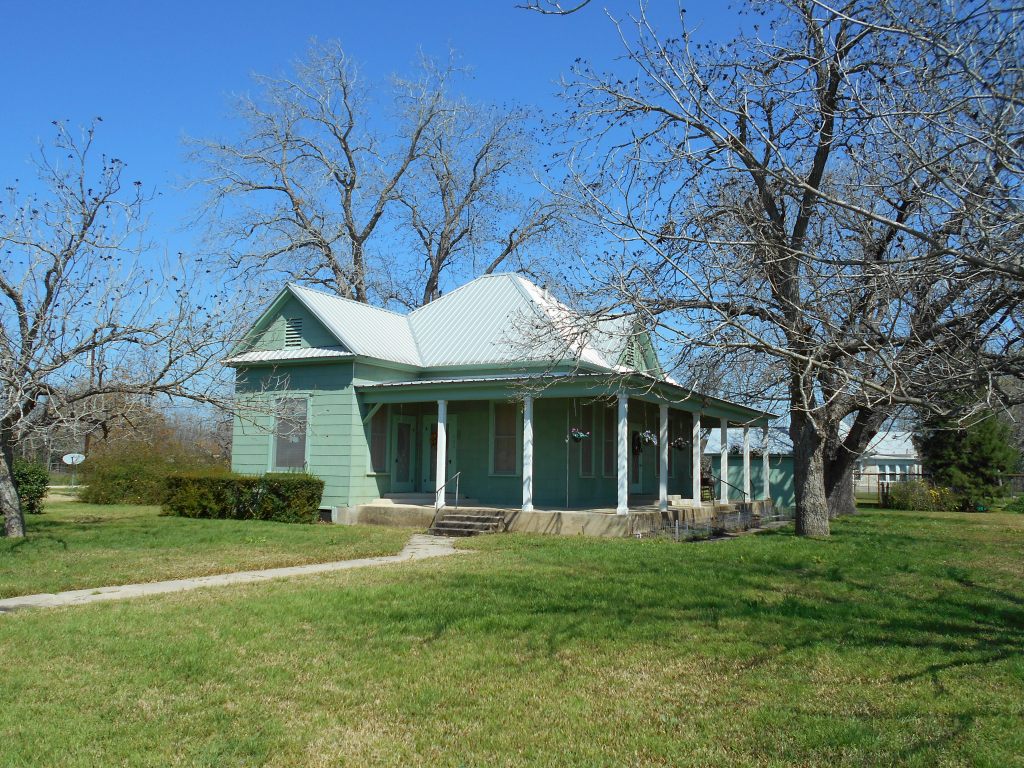
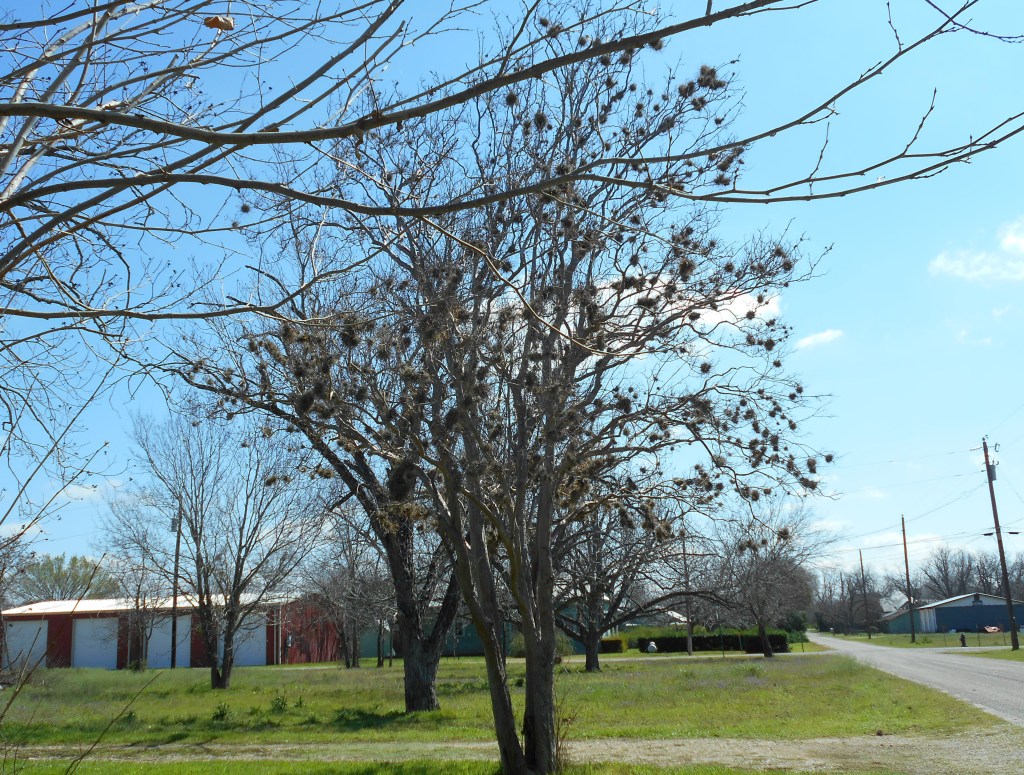
Steve Dauchy was a career blood donor at Katy Veterinary Clinic in Katy, Texas. On retirement he moved to Fentress, where he lived with his veterinarian-owner’s parents, Joe and Norma Dauchy. Joe and Norma lived next door to me; in local terms, next door meant that my house was on one corner, then there was a half-acre “patch” of pecan and peach trees and grass and weeds, then a street, and then on the next corner, the Dauchy yard and their house. The point being that when Steve visited me, he didn’t just stroll across a driveway.

Joe was my dad’s first cousin, so I guess that makes Steve and me second cousins. I have a lot of cousins on that side of the family, although most are human.

Steve is a family name, with a story behind it. As I understand it, back in the ’20s or ’30s, my Great-uncle Cull (Joseph Cullen Dauchy, Sr.), enjoyed listening to a radio program about a Greek character who frequently spoke of “my cat Steve and her little cattens.” Uncle Cull was so amused by the phrase that he named a cat—probably one of the barn cats—Steve. And for the next forty or so years, he always had a cat named Steve.

Uncle Cull and Aunt Myrtle Dauchy’s house, home of the first Steves

So when the clinic cat became part of the Uncle Cull’s son and daughter-in-law’s family, he became the latest in a long line of Steves.

How to describe Steve? He was a fine figure of a cat: a big tabby, deep orange, with an expression of perpetual boredom. His reaction to nearly everything translated as, “Meh.” I’ve heard that’s common among clinic cats.

Once when Steve was standing on my front porch, the neighbor’s Great Dane got loose and charged over. I was frantic, shouting at the dog, shouting at Steve. But when the dog hit the porch, Steve just looked up at him. Dog turned around and trotted home.

Some would say Steve was brave, and I’m sure he was. But I believe his grace under pressure had its roots elsewhere.

First, he had experience. He knew dogs. In his former employment, he’d observed the breed: big, little, yappy, whining, growling, howling, cringing, confined to carriers, restrained by leashes, sporting harnesses and rhinestone collars, hair wild and matted, sculpted ‘dos and toenails glistening pink from the OPI Neon Collection. He’d seen them all. He was not impressed.

Facing down a Great Dane, however, took more than experience. There was something in Steve’s character, an inborn trait that marked him for greatness: his overarching sense of entitlement. He was never in the wrong place at the wrong time. My porch was his porch. The world was his sardine.
Except for the kitchen counter. Steve thought kitchen counters were for sleeping, but Joe and Norma’s maid didn’t. Consequently, he stayed outside a lot. He took ostracism in stride and used his freedom to range far and wide. Far and wide meant my yard.

Steve’s house

At that time I had three indoor cats—Christabel, Chloe, and Alice B. Toeclaws—and a raft of outdoor cats. The outdoor cats started as strays, but I made the mistake of naming them, which meant I had to feed them, which meant they were mine. Chief among them was Bunny, a black cat who had arrived as a teenager with his gray-tabby mother, Edith.

One day Bunny, Edith, and I were out picking up pecans when Steve wandered over to pay his respects, or, more likely, to allow us to pay our respects to him. Bunny perked up, put on his dangerous expression, and walked out to meet the interloper. It was like watching the opening face-off in Gunsmoke.

But instead of scrapping, they stopped and sat down, face to face, only inches apart. Each raised his right paw above his head and held it there a moment. Next, simultaneously, they bopped each other on the top of the head about ten times. Then they toppled over onto their sides, got up, and walked away.

That happened every time they met. Maybe it was just a cat thing, a neighborly greeting, something like a Masonic handshake. But I’ve wondered if it might have had religious significance. Bunny was a Presbyterian, and Steve was a Methodist, and both had strong Baptist roots, and although none of those denominations is big on ritual, who knows what a feline sect might entail?

Steve had a Macavity-like talent for making himself invisible. Occasionally when I opened my front door, he slipped past and hid in a chair at the dining room table, veiled by the tablecloth. When he was ready to leave, he would hunt me down—Surprise!—and lead me to the door. Once, during an extended stay, he used the litter box. Christabel, Chloe, and Alice B. Toeclaws were not amused.

Distance Steve traveled between his house and mine. His house is way over there behind the trees.

Invisibility could work against him, though. Backing out of the driveway one morning, I saw in the rearview mirror a flash streaking across the yard. I got out and looked around but found nothing and so decided I’d imagined it. When I got home from work, I made a thorough search and located Steve under my house, just out of reach. I called, coaxed, cajoled. He stared. It was clear: he’d been behind the car when I backed out, I’d hit him, and he was either too hurt to move or too disgusted to give me the time of day.

It took a long time and a can of sardines to get him out. I delivered him to the veterinarian in Lockhart; she advised leaving him for observation. A couple of days later, I picked him up. Everything was in working order, she said, cracked pelvis, nothing to do but let him get over it.

“Ordinarily,” said the vet, “I would have examined him and sent him home with you the first day. I could tell he was okay. But you told me his owner’s son is a vet, and I was afraid I’d get it wrong.”

Although he was an indoor-outdoor cat, Steve managed plenty of indoor time at his own house, too, especially in winter, and when the maid wasn’t there. One cold day, the family smelled something burning. They found Steve snoozing atop the propane space heater in the kitchen. His tail hung down the side, in front of the vent. The burning smell was the hair on his tail singeing. They moved him to a safer location. I presume he woke up during relocation.

At night, he had his own bedroom, a little garden shed in the back yard. He slept on the seat of the lawnmower, snuggled down on a cushion. Except when he didn’t.

One extremely cold night, I was piled up in bed under an extra blanket and three cats. About two a.m., I woke up to turn over—sleeping under three cats requires you to wake up to turn over—and in the process, reached down and touched one of the cats. It was not my cat.

I cannot describe the wave of fear that swept over me. It sounds ridiculous now, but finding myself in the dark with an unidentified beast, and unable to jump and run without first extricating myself from bedding and forty pounds of cat—I lay there paralyzed.

Unnecessarily, of course. The extra cat was Steve. He’s sneaked in and, considering the weather forecast, decided that sleeping with a human and three other cats in a bed would be superior to hunkering down on a lawnmower.

Steve’s full name was, of course, Steve Dauchy. In my book, he will be Steve MacCaskill. MacCaskill was the name of a family who lived next door to my Aunt Bettie and Uncle Maurice. Their children were friends of my father and his brothers and their many cousins. They were a happy family.

“My family had to plan everything,” my dad’s cousin Lucyle Dauchy Meadows (Steve’s aunt) told me, “but the MacCaskills were spontaneous. If they decided they wanted to go to a movie, they just got into the car and went to a movie.” When Lucyle and the other girls helped their friend Mary Burns MacCaskill tidy her room before the Home Demonstration Agent came to examine it, one of the first things they did was to remove the alligator from the bathtub.

I heard so many delightful stories about the MacCaskill family that I decided they were too good to be true. Then, at Aunt Bettie’s 100th birthday party, my mother introduced me to Mary Burns MacCaskill, who had traveled from Ohio for the party.

So as an homage to that family, I’ve named my main character Molly MacCaskill. And when choosing a pet for Molly, I couldn’t choose a finer beast than Steve.

*

Note: Cullen Dauchy no longer owns Katy Veterinary Clinic, but he did when Steve worked there, and the clinic was Steve’s first home, so I’m leaving the link.

And I’m so glad the Home Demonstration agent didn’t inspect bedrooms when I was a girl. I didn’t have an alligator, but she might have thought I had something worse.

***

This post first appeared in Ink-Stained Wretches in 2021.

***

Kathy Waller blogs at Telling the Truth, Mainly. She has published short stories, and a novella co-written with Manning Wolfe. She is perpetually working on a novel.

Quiet Wins at Bouchercon

VP Chandler

by V.P. Chandler

When people talk about Bouchercon, especially in New Orleans, they usually share stories of late nights, legendary meals, bustling crowds, powdery beignets, and lots of alcohol.

That wasn’t my week.

But the funny thing is—I still accomplished exactly what I went to do.

My panel, Wide Open Spaces, with Craig Johnson, Bruce Borgos, Jeff Ayers, George Wilhite, and moderated by the lovely Sylissa Franklin was a highlight. The conversation flowed, and the audience was engaged. I made them laugh a few times and even got a gasp. So, mission accomplished. I walked away feeling like I’d contributed something worthwhile.

I also got to meet Clay Stafford in person and thank him for publishing my short story, Under The Blackjack Tree, in Killer Nashville Magazine.  (The story that was chosen by John Grisham and Otto Penzler for The Best Mystery Stories of the Year 2025, which is still surreal to me. (Coming out next week!) Stafford’s keynote, The Story That Saved Me, was “cry for crime writers and readers to remember why stories of darkness and redemption still matter—and why telling the truth on the page can save us, too.” Honestly, it was one of the most inspiring talks I’ve heard in a long while. Glad I went.

Another highlight was finally meeting Otto Penzler in person. I thanked him for the opportunity, and he graciously signed my copy of the anthology. A small moment, but one I’ll carry with me.

At the end of most days, I met up with Laura Oles in the hotel/lounge bar. (It was so noisy all of the time!) We compared notes at the end of the day—who we’d seen, what panels had sparked ideas. She was on a terrific panel herself, Dialogue Matters: Slang, Concise, or Verbose? The group dug into how dialogue can reveal character and control pacing, which is something that I’m always working on.

I also loved being in the audience for Sweet Tea with a Splash of Crime: The Southern Influence, with Ace Atkins, S.A. Cosby, and other writers who captured both the grit and taste of Southern literature, and where it’s headed. Another standout was Killing Your Darlings, with Penzler and Donald Maass, which was a sharp reminder that ego doesn’t belong in the editing room if the goal is to make the story better.

And one of my favorite unexpected moments? Donald Maass allowed me to join him for lunch one afternoon. We had a thoughtful conversation about Writer Unboxed, an organization we’re both part of, about writing in general, and drawing inspiration from real life,. It was simple but memorable, the kind of connection that lingers long after the conference ends.

So no, this wasn’t a Bouchercon of big parties or long nights on Bourbon Street. But it was a Bouchercon where I hit my goals, connected with people who matter to me, and left with a few new insights and ideas. Sometimes the quieter wins are the ones that last.

Connecting Through the Ether

VP Chandler

By V.P. Chandler

Have you ever researched something—like a purse, a computer, or even a car—only to suddenly notice it everywhere, even though you hadn’t before? Inspiration for stories works the same way.

One of the most common questions authors hear is: “Where do you get your ideas?” The answer: pretty much everywhere—news articles, books, movies, history, snippets of conversation, personal experiences… inspiration can spark from the smallest detail.

I’m currently writing a historical novella, and inspiration is coming from all directions. I feel like a goalie in a soccer match—I’m fully immersed.

Story Settings and Characters

My protagonist is a young woman named Martha. She’s married to Tom, who has moved her far from home—and life isn’t unfolding as she expected. (Isn’t that always the case? But is it simply the way things are, or is something nefarious at work?) They’re building a cabin in the East Texas woods around 1830. I imagined they’d arrived at the tail end of the Old 300, grabbing land wherever they could. (Although the story could take place anywhere from 1820 to 1880, west of Virginia in pine country, I discovered that pines aren’t as widespread as I once thought—which is why research matters.)

https://www.tshaonline.org/handbook/entries/old-three-hundred

As I write, Martha is revealing herself to me—like she exists on another plane and there’s a conduit between us through something I call “the ether,” a metaphysical space. (Is that a real thing? I don’t know—dammit, Jim, I’m a writer, not a metaphysicist!) Her voice is growing stronger. Her past and current life are becoming clearer. When she speaks, it feels like she’s speaking directly at me. I think most writers go through this—and when it happens, it’s exhilarating. To me, it means the character will have depth and feel real.

And, as in the past, there have been “signs” that I’m on the right track with characters and story. Sometimes these signs are even eerie. In the first chapter, when it was new and amorphous, I was writing a dream sequence to explain her inner thoughts, worries, and where she’s from. I imagined she came from a large family, and she had had a brown and white dog named “Peaches”.

A few days later I was on Facebook and came across this picture. It caught my attention because a cabin is a major feature of the story, and I took a screenshot for inspiration to look at details. Later I read the description. Look at what I circled. That’s right! I wasn’t too surprised by the date. But the dog in the picture was name “Peaches”! And it looks brown and white to me. It gave me inspiration that I’m on the right track with the story and characters.

(Picture from https://www.facebook.com/TracesofTexas. They post historical and modern pics taken in Texas.)

Another time, while writing my (currently unpublished) novel Gilt Ridden, I created a character in West Texas, educated and obsessed with gold, known locally as “The Professor,” living in a dugout. Years later, I came across a local-history book about Stonewall County describing a man known as “The Professor” who lived in a dugout and searched for gold. I hadn’t known he existed—but the parallels were uncanny. At first, I worried that people would think that I borrowed someone’s real story. But then it comforted me. I took it as a sign that I had created a realistic character from imaginary circumstances.

So when you’re writing—or working on any project—block out the world and tune in to the voice or idea coming from the ether. Who knows what will be revealed?


Bonus Content

I’ve been obsessed with one song lately. It’s been playing in my head nonstop for a week. I didn’t know much about it until I watched the YouTube video. The character is pregnant and contemplating life choices, just like Martha! Now it’s really stuck in my head. Hope you enjoy it:

Sara Bareilles – “She Used to Be Mine” (from Waitress)

Where Did This Come From?

Today’s post is by our friend and former Austin Mystery Writer Kaye George, author of several successful mystery series. When I asked Kaye to do a guest post, I told her to pick her own topic. She’s chosen to write about her newest project, a departure from the mystery.

***

Kathy Waller gave me free rein, so I can write whatever I want here, right? Okay, okay, I’ll stick to writing about writing.

My latest project is foremost in my mind. SOMEONE IS OUT THERE came out in April, but it’s still getting noticed, which makes me so happy. I’ve done several mystery series, cozies and traditional, but got it into my head one day that I could write a suspense novel. It does kinda make sense, since I love to read them.

I’m trying to remember where the first seed for this came from, but I don’t really know, now that it’s done. I do know what went into it. I wanted to use a disaster that occurred in Ohio when we lived there. We lived in Dayton for about six years and, one day when the sky looked ominous and my husband was on the golf course, a disaster struck Xenia, a small town nearby—a town we used to drive to for chopping down our Christmas trees on a farm nearby. A vicious tornado struck the town in 1974, killing and injuring many, and wiping out, obliterating at least half of that town. That year they had what they called the 1974 Super Outbreak, one of the worst tornado seasons in US history. I figured it would make a good backdrop to a tense story.

To be honest, I also fed in some of the stories the people in Wichita Falls told me about the similar disaster they had there in 1979. We lived outside that town in Holliday years after that, but the people who had gone through it had vivid memories of every second. We had our own experiences there, too. Our second night in Holliday, there was a straight line windstorm with 90 mph winds that took off many roofs and caved in the school gymnasium, which had just been evacuated, fortunately. The night we moved out, a tornado touched down a mile away.

Anyway, enough about storms. I also needed to work up some stormy characters. I used my knowledge of nursing (from my mother, who was a nurse, and from my nurses’ aide experience) to create my main character. Unbeknownst to me, I used subconscious knowledge to create her name, Darla Taylor. I had a good portion of the book written when I realized I have a Facebook friend named Darla Taylor! I had used her name! I was mortified, and messaged her about it. She was actually okay with that, so I kept going. And gave her a copy when the book was finished. She liked it and reviewed it! Whew!

Stalking seemed like a scary thing to build the plot on, so I did that, keeping the identity of the stalker hidden until the end. I threw in my son’s family dog, Henry, a big chocolate lab (and renamed him Moose), and gave Darla a hobby of archery, since I used to love doing that.

You can see that so much of the book came from my life, because, where else would it come from? Although I have never been stalked. And hope it never happens.

This site at Rowan Prose Publishing has links to the great trailer they made and places to get the book. https://www.rowanprosepublishing.com/kaye-george

And didn’t they do a great cover?

Thanks for having me here!

***

Kaye George is an award-winning novelist and short-story writer. She writes cozy and traditional mysteries, a prehistory series, and one suspense novel, which is her seventeenth book. Over fifty short stories have been published, mostly in anthologies and magazines. A horror story will come out in 2026. With family scattered all over the globe, she makes her home in Knoxville TN. You can find out more here: http://kayegeorge.com/

Walking the Dark Side of Summer: A Personal Look at For Every Evil Under the Sun

VP Chandler


By V.P. Chandler

When I first sat down to write the stories that would eventually become part of For Every Evil Under the Sun, I didn’t know exactly where they would lead me—I only knew I wanted to stretch my writing skills, try new things, and be a part of a hot, cool collaboration. (Yes, I like puns.)

Now, I’m proud to announce that this collection is out in the world, published by the brand-new Fredonia Ink Publishing. I’m honored to be sharing the pages with two powerhouse writers, Alexandra Burt and Laura Oles—both of whom are not only incredibly talented but also deeply committed to telling stories that explore the dark, complex corners of the human experience.

This collection is a bit of a literary experiment. We each approached the idea of “evil” through our own unique lens—psychological thriller, family drama, crime, horror, western—and let the stories guide us. What came out of it is a collection that isn’t just eclectic, it’s electric. It shines! (Yes, another pun.)

As for me, I leaned into the grit—into crime, revenge, justice. I wanted my stories to carry that weight—to explore the consequences of violence and vengeance. And also add a little bit of fun to the mix. And the stories by Alexandra Burt and Laura Oles are equally as dark and entertaining.

And hey, if you’re in Austin this summer, I’d love to invite you to join us for a special event at Vintage Bookstore and Wine Bar (1101 E. 11th St.) on July 18 at 7pm. Alexandra, Laura, and I will be discussing short story craft, the experiences of women writing crime fiction, and what went into shaping this haunting little book. It’ll be an evening of books, wine, and maybe a few goosebumps.

So if you’re in the mood for stories that simmer under the heat of summer and explore just how far people will go—to protect, to avenge, to survive—then For Every Evil Under the Sun might just be what you’re looking for.

Hope to see you in July.

—VP Chandler
vpchandler.com


🗓️ Event Info: July 18, 7pm @ Vintage Bookstore and Wine Bar, Austin, TX
🔗 Learn more, here is the Amazon listing. Ebook now available and paperback will be soon on Amazon and bookstores everywhere: https://tinyurl.com/2tph4xcz

The Enduring Value of Third Spaces

By Laura Oles

Why do so many of us choose to work or study at our favorite coffee shop? Even if we have a fully equipped office, we pack up our laptop and relocate, settling in with likeminded people doing the same thing.

If this sounds like you, you’ve adopted a favorite “third space.”

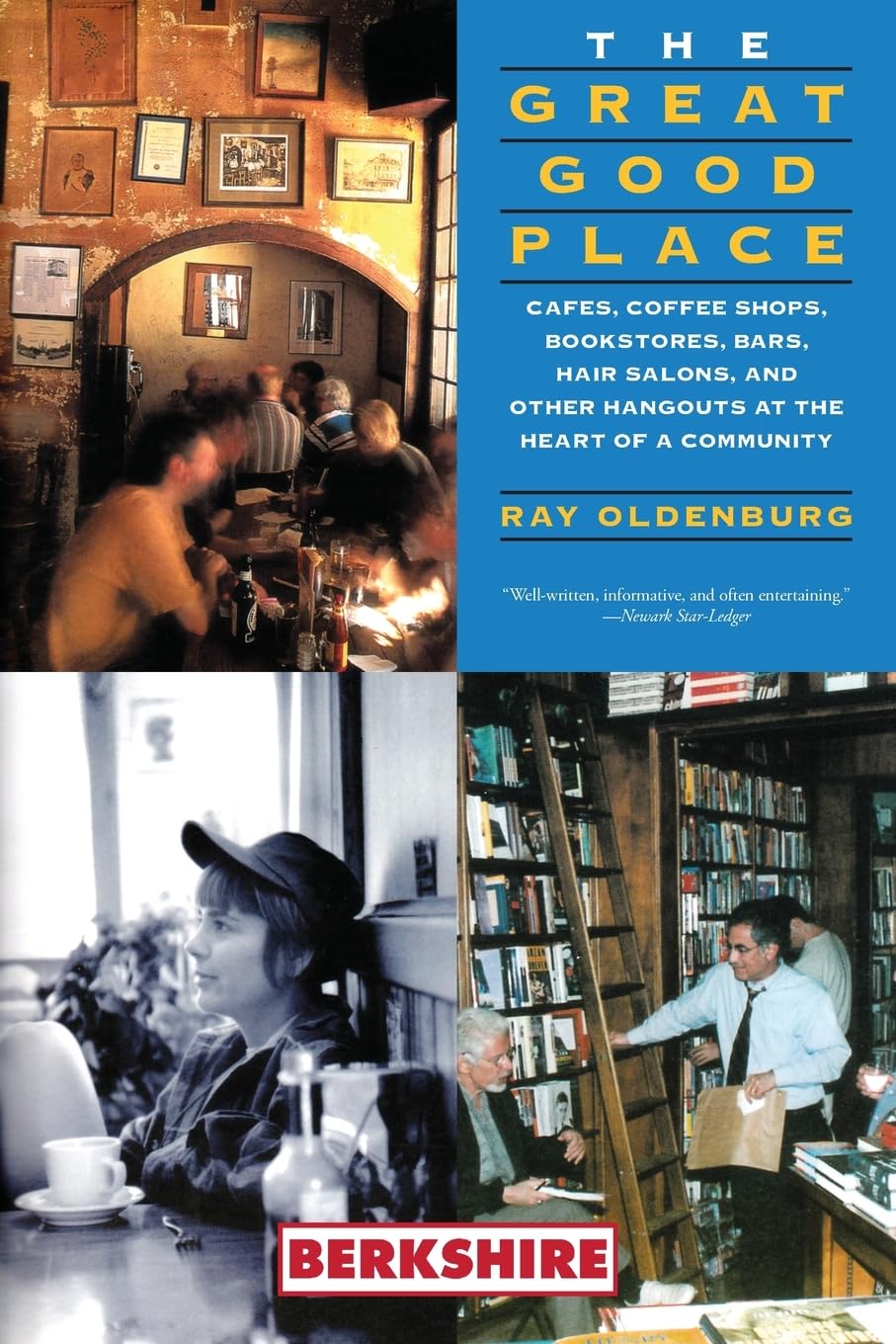
Urban sociologist Ray Oldenburg coined the term “third space” in his book, “The Great Good Place,” (originally published in 1989 and revised in 2023).  Popular third spaces include coffee shops, pubs, diners, libraries, parks and gyms. The third space, Dr. Oldenburg stated, were ones that allowed people to leave private and professional concerns behind to connect with others in conversation. Third spaces “host the regular, voluntary, informal and happily anticipated gatherings of individuals beyond the realms of home and work.”  

There’s some science that indicates it’s not simply the lure of a fantastic latte. A 2012 study published in the Journal of Consumer Research indicated that lower levels of ambient noise can spur creative idea generation. In a later 2019 study, researchers pointed to “stochastic resonance,” a measure of a particular background noise level that benefits our senses and can help in those moments where we are temporarily distracted or in a contemplative state. 

In short, the “coffee shop effect” has been cited in several studies. This, coupled with being surrounded by others seeking a similar environment, can further motivate us into action.  The idea of parallel work—working alongside others but not directly with them—can help us in our solitary efforts. All while feeling less alone.

Still, not all coffee shops will become beloved third spaces. A place where you will regularly spend both money and time is chosen. It is special. It draws you in and invites you to linger for a bit, often in the company of friends or colleagues.

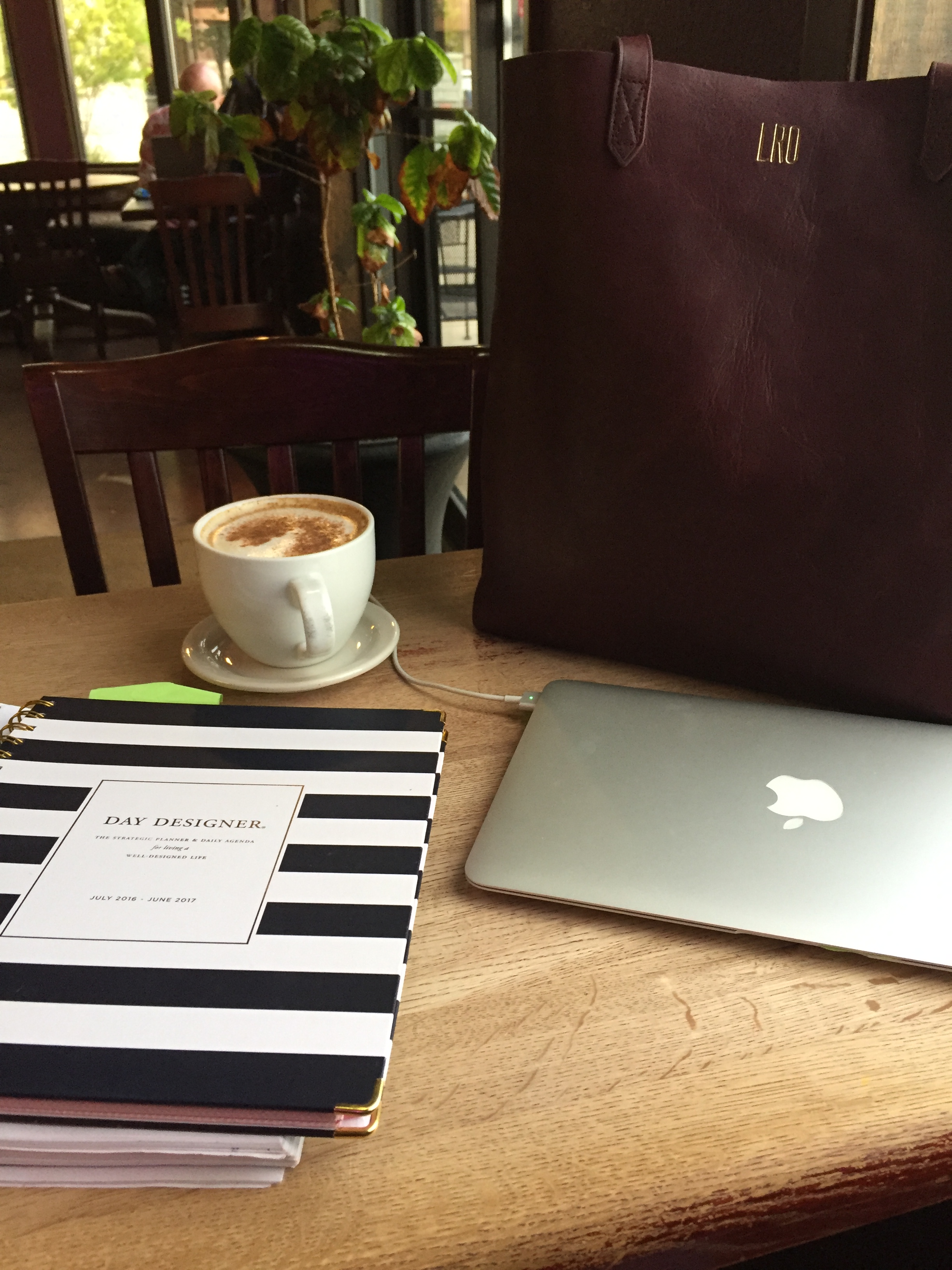
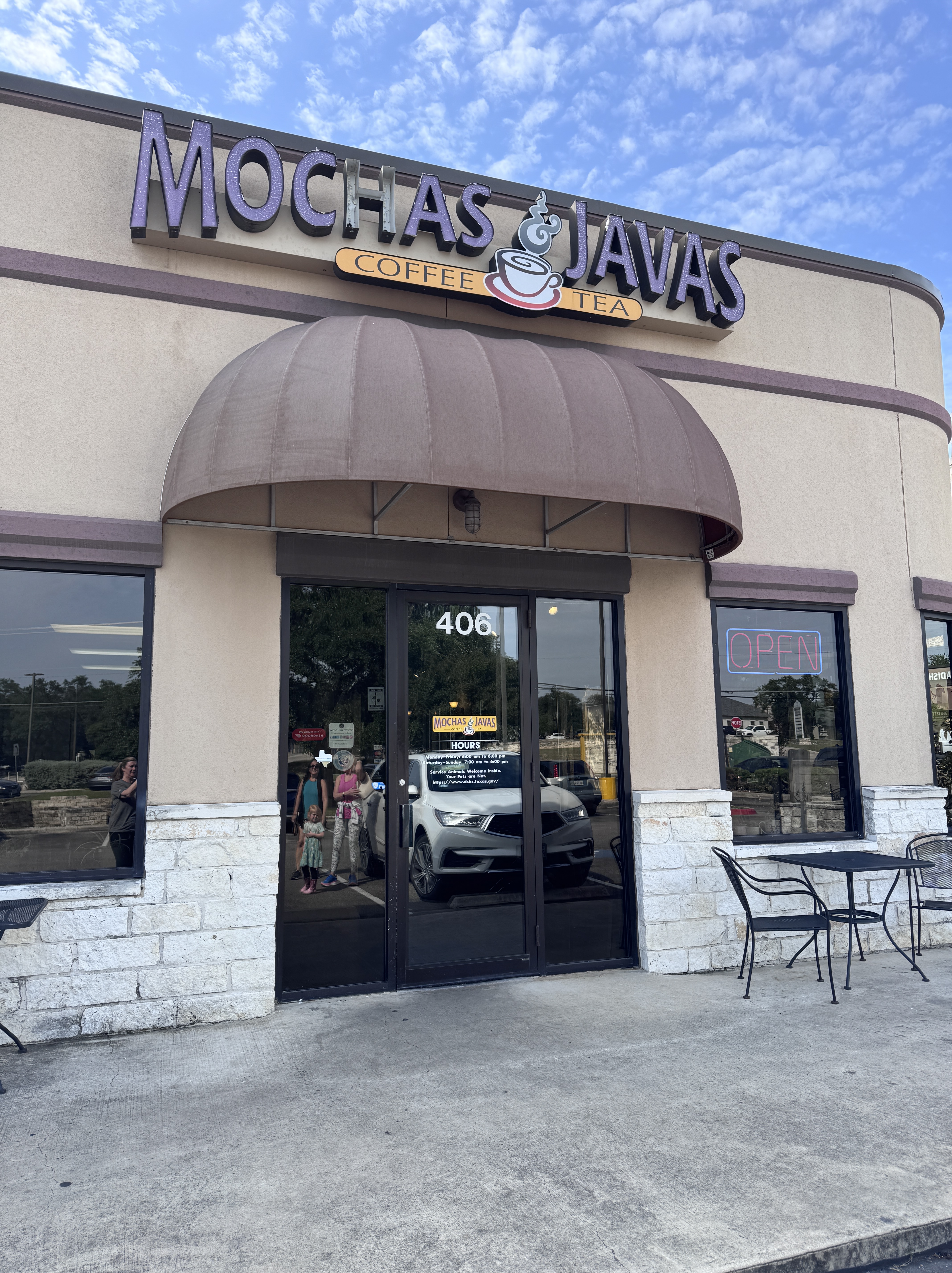
The third space has evolved from being a place where people gather to connect with community, to one that incorporates these components and adds a welcoming setting for students and WFH employees and solopreneurs. As someone who raised three kids while working from home, I sometimes struggled to tune out tasks and chores. So, I sought my own third space and found it at Mochas & Javas. In addition to business articles and columns, I wrote much of my debut novel at the Wonder World location.  

My “MJ office” in 2016

Mochas & Javas continues to be part of my regular routine—sometimes to chat with friends and other times to stare down a deadline—and I was curious to learn more about not only this beloved local institution but the guiding principles behind the business.

Mochas and Javas was founded in 2003 by four family members—Kevin Carswell, his brother Kirby Carswell and their wives, Michelle and Kelly Carswell. The idea originated when Kevin and Michelle began brainstorming about a local venue where San Marcos residents could gather to enjoy quality food and beverages as well as “legendary customer service.” Like many fantastic ideas penned on the back of a napkin or a business card, Michelle sketched the now well-known logo on a napkin and named the business Mochas & Javas (Community Impact, 2019). Over the last twenty years, Mochas & Javas has thoughtfully expanded into five locations.

I asked Kevin if he would share his insight about Mochas & Javas as a trusted third space in the San Marcos community and his philosophy regarding building this popular Hill Country destination. He was kind enough to share his thoughts with me in the following interview:

LO: “Getting together for coffee” is a common refrain we share with friends and colleagues.  What encouraged you to take the first steps to create Mochas & Javas as a gathering space for the San Marcos community?

KC: When we began the discussion about opening our own business we discussed several types of business. But coffee made the most sense at the time, because it was in the food and beverage industry, which is my background and in 2002, the coffee industry was rapidly expanding. I had heard the term “third” space before, but not sure that I fully grasped the concept until we opened, expanded and then had time to grow MJ’s (I’ll abbreviate the full name) over several years and then see how many of our guests became daily/weekly regulars or made MJ’s their third space. Coffee does bring people together, I’ve seen many relationships built from the connection our guests made with one another while at MJ’s, it’s a great thing to see. And for myself I’ve made many friends over the years through MJ’s, lifelong friends. It’s a good feeling. 

LO: Do you find that each location has its own personality/vibe or is the community based on proximity? Or a combination?

KC:  One of the areas that I enjoy about MJ’s is that they all have their own “vibe” or connection to the community or the surrounding area that they are located. Such as WW, many locals with a mix of students and visitors. Whereas LBJ is a more concentrated number of students and professors with a nice mix of visitors, usually families coming for informal or formal visit to TX State University. Our Frisco store is very similar to our WW store, as where it’s mostly locals and business professionals with a mix of students. 

LO:  Why do you think local writers, artists, students and businesspeople are drawn to Mochas & Javas as a third space? 

KC:  Over the years many writers have used the WW store as their office. Paul Pullin for example is in his third book and has become a good friend over the years, he’s been a regular for 22 years. We’ve chosen not to place TVs at any of our stores. I believe they are a distraction, and most people today already have plenty of screen time. If our guests were staring at a screen, they may never meet someone new. We need more face-to-face conversations and MJs provide this. 

LO:  How has Mochas & Javas expanded and evolved since you opened the first location over twenty years ago? 

KC:  MJs opened the LBJ and WW stores the same year, 2003, about 6 months apart. We have always had plans to expand, sometimes slower than we first thought, but moving a bit slower is not a bad thing. Keeping our debt in check and growth at a steady pace. Five stores in 22 years is no record, but we have five stable stores with a strong following from our loyal guests. We are planning to continue with our expansion but will plan accordingly based off good solid numbers which allow us to grow without taking on more than we can manage. 

LO:  Mochas & Javas has strong ties to the Hill Country community, and I wonder if this stems from your philosophy of “always giving back.” Can you expand on this?

KC:  I grew up in San Marcos, our family moved from the Houston area in 1967/68 to San Marcos. So, I’ve seen the city change over the past 57 years. Giving back not only to the San Marcos community but all the communities that we serve great coffee to. Giving back is an important part of owning and operating our business in the communities we serve, and we are grateful that we have the success to do this. We’ve made many small donations and added some larger ones over the years. They are all worthwhile. It’s a great way to say thank you to our community and guests for the many years of support.

The best part of working at MJs, from my standpoint, is our guests and staff. The interaction with both groups of people is the most enjoyable part of our business. I never get tired of working at the register or being a barista. It’s a lot of fun. 

Learn more about Mochas & Javas here:  https://www.mochasandjavas.com

Laura Oles is the award-winning author of the Jamie Rush mystery series. Her debut mystery, Daughters of Bad Men, was an Agatha nominee, a Claymore Award finalist, and a Writers’ League of Texas Award finalist. Depths of Deceit, her second novel, was named Best Mystery by Indies Today. Her novella, Last Call, won the Silver Falchion award. Her work has appeared in crime fiction anthologies, consumer magazines and business publications. She lives in the Texas Hill Country with her family. (https://lauraoles.com

Just Look Around!

by HELEN CURRIE FOSTER

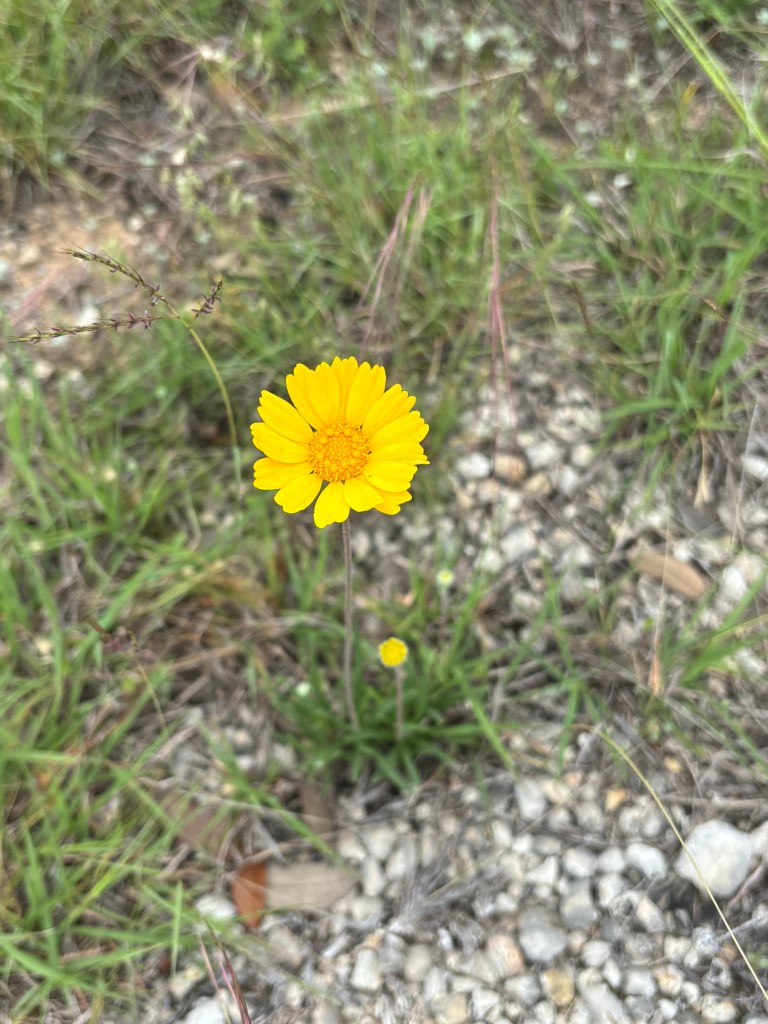
Not enough rain fell this year to allow the brilliant cerulean fields of Hill Country bluebonnets we usually expect, but the hardy lupines are busy making seedpods. “Maybe next year,” they say. Now instead we have the bright yellow coreopsis lanceolata, nodding their heads with any breeze,

the wine-cups with their indescribable color—a member of the mallow family, not quite fuchsia, not maroon, just—heart-stopping,

the milkweed flower globes beloved of monarch butter-flies, and others. Heaven includes a few prairie celestials, magically opening in early in the afternoon, then vanishing by dusk.

Also, “Sweet Mademoiselle,” planted a couple of years ago, and who has never bloomed, produced her first rose!

Meanwhile, the ever-interloping cactus hope to assuage my fury at them (remember those secretly spreading roots and the huge basal “plates” that help the Cactus Conspiracy spread?) by popping open their yellow flowers. I am not fooled. I’ll continue to battle them with shovel and hoe. And a picker-upper.

Now for some Hill Country facts.

BIG CATS?  Just in case you thought the animal that appears in my mystery Ghost Cat was, perhaps, unrealistic? Over-the-top? Mere fantasy? Couldn’t have played a part at beginning and end? Not so! https://www.statesman.com/story/news/state/2025/04/21/mountain-lion-san-marcos-trail-texas-sightings/83194256007/

See? Perfectly possible. It’s still wild out here in the Hill Country, even as suburbs press upon us. At dusk I often find myself glancing at the edge of the drop-off behind the house, wondering if I’ll see a pair of ears. You can say mountain lion, puma, cougar…they’re secretive, strong, and active in the spring.

But the big cat I once saw on Bell Springs Road west of here was likely a large bobcat. I was alone, driving home from the post office. Up ahead a golden vision, spotted, walked slowly to the edge of the asphalt. I stopped. The cat stood, gazed at me, and after a breathless (for me) interval, gracefully turned and vanished through a fence into thick cedar. A magical moment. Every time I drive that road, I hold my breath, longing for one more sighting of something looking like this:

https://images.app.goo.gl/K9VMv8bW92CpoSacA

ANCIENT BONES? I wrote about old bones in my Ghost Bones (2024)—and now have learned that our Hays County police deal with ancient bones more often than you’d think. One resident recently called to report she’d found a skull in her firepit. The skull, with its lower jaw present, was obviously fairly old, but in an unexplained death Hays County is not permitted to send a body to the Travis County Medical Examiner without including the name of the person whose skull it is. (Hays County doesn’t have its own medical examiner.) So this skull traveled instead to Texas State anthropologists who reported, after testing, that the skull apparently belonged to a long, long-ago teenager who’d gone through hard times, as was evident from the “enamel lines” (a bit like tree rings) in the teeth.

But how it wound up in that firepit? So far as I know, that’s still a mystery. We forget—until reminded by a skull in a firepit—how long humans have roamed these hills, drawn by hunger and thirst to spring water and the hunt for food.

We also forget the age and history of this landscape. Some trees have sheltered native Americans, deer, and buffalo. The Columbus Live Oak near the Colorado River in Columbus is estimated to be over 500 years old. Others may be as old as 1,000 years.

https://tfsweb.tamu.edu/websites/FamousTreesOfTexas/TreeLayout.aspx?pageid=26882https://goodcalculators.com/tree-age-calculator/

I revere the live oak in our front yard as if it were a beloved ancient relative and a symbol of stability and the power of trees. If anything were to happen to it—woe! I tried to estimate its age—using the calculator instruction to measure girth in inches at 4.5 feet, divide by pi, then multiply by a “growth factor” of 4, which gave me 127 years old. Perhaps this tree was a sapling in 1900, before either World War, before the Viet Nam war, before our current fraught politics. On a nearby hill there’s an ancient patch of even bigger live oaks. Perhaps those particular oaks depend on the odd little ribbon of wet white clay that lies about five feet underground and has been there—who knows how long. But the feeling of walking in beneath these old live oaks can confer a sense of being in the protection of one’s elders.

So, welcome to the Hill Country in spring—southeasterly winds from the Gulf, blowing the flowers back and forth; reasonably moderate temperatures; fields and trees as green as green, as far as you can see. At the bird feeder, more color! Purple house finch, yellow-throated vireo, lesser goldfinch with brilliant gold breasts, vermilion cardinals, black-crested titmouse, white-winged dove—and the shy and tiny, but utterly gorgeous, painted bunting. (Reportedly it loves millet.) They provide not just color but music, from the titmouse, the tiny but high-volume Carolina wren, plaintive doves, whistling cardinals, and, at night, chuck-will’s-widow.

Not for long, of course. In winter ice can wreak havoc on trees and people. Summer sun? Scorching. Autumn? Nothing like the colors of New England, but hey—the sumac turns red. So welcome, Spring, with your bluebonnets and live oaks, with bird music and color, and with your reminder of the power and beauty of nature!

***

Progress report: madly working on Book 10 of the Alice MacDonald Greer Mystery series, set in the Hill Country. Have ordered “Forest Bathing” by Dr. Qing Li. Would enjoy hearing what you all are reading too, and any reports of “forest bathing”!


Helen Currie Foster lives and writes the Alice MacDonald Greer Mystery series north of Dripping Springs, Texas, loosely supervised by three burros. She’s drawn to the compelling landscape and quirky characters of the Texas Hill Country. She remains deeply curious about our human history and how, uninvited, the past keeps crashing the party.

Follow Helen at http://www.helencurriefoster.com.

The Upside of Resistance

 Productive Procrastination for Creatives

Most writers battle resistance from time to time, and it comes in many forms. Maybe you’re working on a project with a looming deadline, which is the perfect time to clean your kitchen.

Just ask Agatha Christie.

“The best time for planning a book is when you’re doing the dishes.”—Agatha Christie

I realize I’m bending her quote to serve my purposes, but who am I to argue with greatness?

© agathachristie.com

My most recent battle with resistance happened yesterday. After being away from a project too long due to other writing deadlines, I struggled to find my groove, which culminated in my spending nine hours trying to get my arms around a manuscript. My characters refused to behave, and a section of the second act sagged like a neglected hundred-year roof. The final pin dropped in the form of my losing several thousand words due to some sort of file syncing error. I’d spent all day trying to nail Jello to the wall and wondering why it refused to stick. 

I called my sister-in-law, who sagely suggested I needed to step away from my computer. Get some fresh air, go for a walk. I felt a bit better after but still defeated. I spent the rest of the evening with the gritty dust of failure stuck to my skin. I then reminded myself that this, too, is part of the process. The only way out is through. Tomorrow is another day.

I decided to start this morning with some writer support. After a two mile walk while listening to Brandon Sanderson discuss writing with Tim Ferris, I then read J.T. Ellison’s Substack on resistance. There was something about listening to other authors discuss their craft and the struggles that come with it that helped me refocus with a fresh perspective (and an attitude adjustment, which was sorely needed. I was very salty).

If you’re struggling with any sort of creative project, consider taking respite by listening to other creatives discuss how they do their thing.  Here are a few of my favorites:

The Tim Ferriss Show: Episode #794: Brandon Sanderson on Building a Fiction Empire… 

Buckle up, loves, because this episode is 3.5 hours long. It took me several walks and cleaning sessions to get through it, but I promise it’s jam packed with some fantastic advice and discussion related to both the art and business of writing. Few writers have accomplished what Brandon has while also so freely sharing his expertise with others.  

https://www.youtube.com/watch?v=5zzzjLKuFZA

Work Life with Adam Grant: Your Insecurities Aren’t What You Think They Are

Adam Grant is an organizational psychologist with a curiosity superpower that translates into countless benefits for his audience.  His WorkLife podcast is a regular listen in my feed. This episode is also how I found Taylor Tomlinson, which some might think is a strange way to discover a comedian.  Their discussion about how to handle insecurities when your job is centered largely on external feedback and validation (hello, writers!) is one that you may listen to more than once. 

https://podcasts.apple.com/us/podcast/worklife-with-adam-grant/id1346314086?i=1000523780269

J.T. Ellison Substack: The Creative Edge

If you’re a Substack fan, I highly recommend giving J.T Ellison’s newsletter a read. She gives us an inside look at her life as a bestselling author juggling multiple projects for both traditional publishers as well as her own imprint. Her advice is practical and specific, and she mixes in a generous amount of empathy. Here’s the post that pulled me out of my latest bout of writing resistance.

https://jtellison.substack.com/p/interim-step-two-facing-down-resistance

#AmWriting: Substack and Podcast

The author collective of the #AmWriting enterprise deliver some of the best stories, guidance, and interviews related to the business and craft of writing. Regardless of genre or publishing preference, they have you covered.  Their Substack is well organized and offers tons of shovels to help you dig yourself out of any writing hole you currently find yourself stuck in. 

https://amwriting.substack.com

James Clear: Atomic Habits and Newsletter

As someone who receives far too emails, James Clear’s newsletter is the rare one that I make sure to read as soon as it hits my inbox.  His 3-2-1 format (three ideas, two quotes and one question to consider) are thoughtfully considered. Every issue provides a valuable takeaway, and his recent Master Class covers the concepts he outlines in his mega-bestseller Atomic Habits.  Here’s what he shares with us about resistance:

“If you feel resistance before you begin, it’s usually procrastination and you need to get started.  If you feel resistance after you begin, it’s usually feedback and you need to make adjustments.”

Jiro Dreams of Sushi

Jiro Ono is an 85-year-old sushi chef and proprietor of Sukiyabashi Jiro, a 10-seat restaurant located in a Tokyo subway station. Some of the top critics believe he is the world’s greatest sushi chef. This documentary follows his passion for continued mastery even at what he sees as the final years of his career.  “A thoughtful and elegant mediation on work, family and the art of perfection, chronicling Jiro’s life as both an unparalleled success in the culinary world, and a loving yet complicated father.”

I discovered this documentary after my last visit to Japan and was moved by both the constant pursuit of mastery as well as the price it exacts on those closest to him.

I’d like to leave you with a quote that I revisit so often that I should have it tattooed on my forehead. 

“If I waited for perfection, I’d never write a word.”—Margaret Atwood

The world needs your stories more than ever, so I hope that if you’re battling resistance, you’ll find some support from the creative community. Storytelling, at its heart, should be something we enjoy, and if it isn’t bringing that to you right now, I hope it soon returns. And when it does, readers will be waiting for you.

–Laura Oles (https://lauraoles.com) is the award-winning author of the Jamie Rush mystery series. Her debut mystery, Daughters of Bad Men, was an Agatha nominee, a Claymore Award finalist, and a Writers’ League of Texas Award finalist. Depths of Deceit, her second novel, was named Best Mystery by Indies Today. Her novella, Last Call, won the Silver Falchion award. Her work has appeared in crime fiction anthologies, consumer magazines and business publications. She lives in the Texas Hill Country with her family.