TOO DARN HOT!!!

By Helen Currie Foster

Molly Ivins—always a truth-teller—described the state this way: “Texas! Land of wretched excess!”

Yes, I also quoted her in a March 2025 blog. But I was describing sustained icy weather.

This time? Austin weather persons say it has not rained here this August!

And as you’ve noticed, temperatures continue to spike above 100 degrees. Outdoor house plants? In a fit of mercy, maybe you brought some back inside.

That’s what we did today for five jasmine plants, acquired in grad school, that we’ve cosseted for decades. Decades! Usually they live indoors in winter, or on the deck in summer.

But this week, walking past them, I felt a disturbance. Even with daily water, even with blossoms, I felt warning signals.
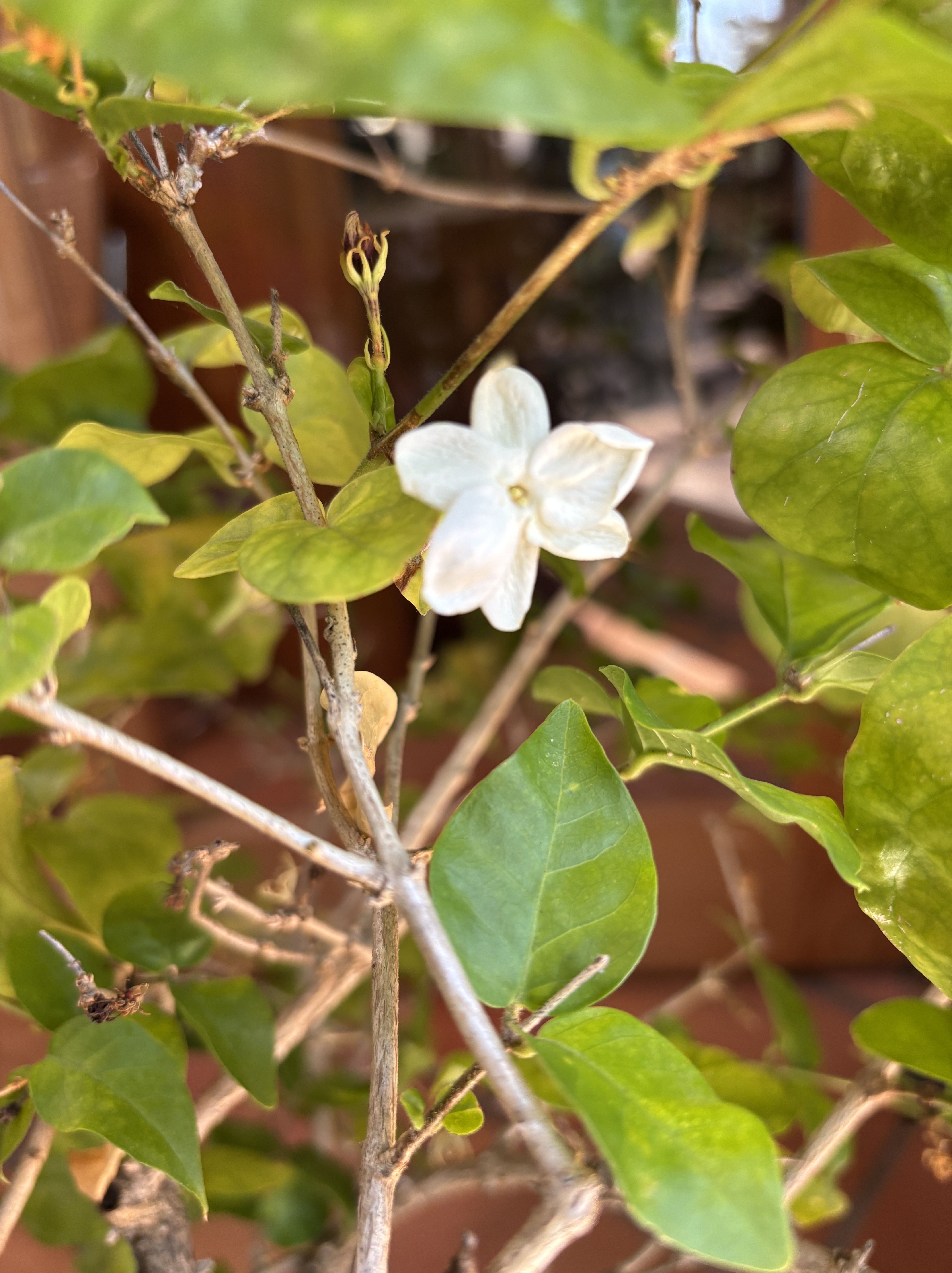
Was that just my…overheated…imagination? Plus the fact that, as eloquently sung in Kiss Me Kate, “It’s too darn hot!”?

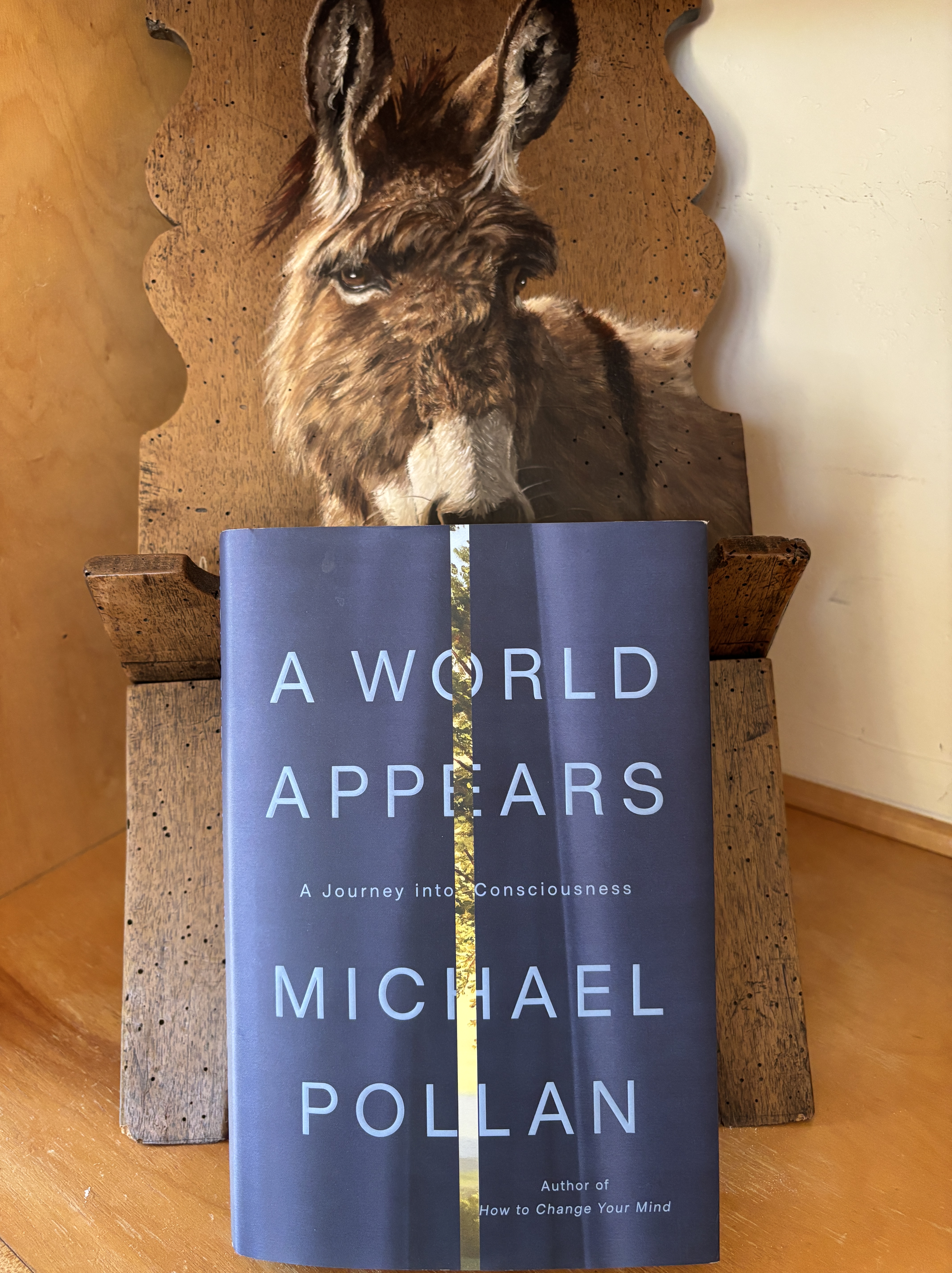
Or was it more? I’m reading Michael Pollan’s A World Appears (2026), about today’s ongoing scientific debate over the nature of consciousness—a topic humans have wondered about for millennia. https://www.scientificamerican.com/article/what-is-consciousness-science-faces-its-hardest-problem-yet/\; https://www.sciencedaily.com/releases/2026/07/260729043829.htm

Per Pollan: “A great many mammals, several bird species, and octopuses are now generally thought to be conscious, and there are scientists and philosophers who believe that some rudimentary form of consciousness, or sentience, reaches much further, all the way to insects and, possibly, beyond the animal kingdom.” (Id., at 1.)
Beyond animals? Yes, all the way to plants!

So, are plants sentient? One plant scientist points to “all the volatile compounds emitted by a succession of plants, from poplars and tobacco plants to peppers and olive trees. Plants emit volatile chemicals for a range of purposes: to signal distress, to alert neighboring plants to threats, to thwart or poison herbivores, and possibly even to soothe themselves (many plants emit ethylene, an anesthetic gas, for reasons not well understood.” Id., at 20.) (Please to note Pollan has inserted plants in the middle of the cover.)

So maybe our jasmines emitted a volatile alarm chemical. Was the alarm intended for humans? Who can tell? But the plants made it inside…

It’s a “hard problem,” the whole “consciousness” debate that Pollan’s book describes, and we’re in for a fascinating scientific journey.  

Query for you mystery readers: would you agree that it’s premature for the unraveling of a murder mystery to depend on warnings from plants? For one thing, the science is evolving. But also, to provide a real fact-based clue in a mystery, should the plant’s warnings alert not just perhaps other plants, but a human? The detective, a witness, the victim—or the reader? The jury will be out on that for awhile.

But I ask because, in the oppressive heat, I took refuge in Agatha Christie’s The Mystery of the Blue Train (also titled Heart of Fire) (1928).

Woe! The author appears to have committed the sin of presenting to the reader (who, like all mystery readers, is determined to solve the mystery based on available clues) information about what appears to be a mere notion on the part of a character.  Poirot reveals, at book’s end, that Miss Grey (a sensible character) “firmly believes that she felt your daughter’s presence beside her one day in the Casino Gardens at Monte Carlo, just after she had been having a talk with Knighton. She was convinced, she says, that the dead woman was urgently trying to tell her something, and it suddenly came to her that what the dead woman was trying to say was that Knighton was her murderer!” (Ch. 35.)

What? Is this a ghost story? What actual fact, what actual clue, was revealed by an already dead person to Miss Grey? Could this apparent ghostly concern, this ghostly attempt at communication, convey a real clue? Yet in the last chapter that’s how Poirot treats Miss Grey’s interpretation of the ghost’s concern––as an actual clue.  

I’m not sure this accords with the sacred collaboration between the mystery writer and the mystery reader, where (as the 1930 Detection Club rules insist), every clue must be instantly produced to the reader.

And the notion of a character thinking she hears a dead victim trying to whisper the name of her murderer? What’s your reaction?

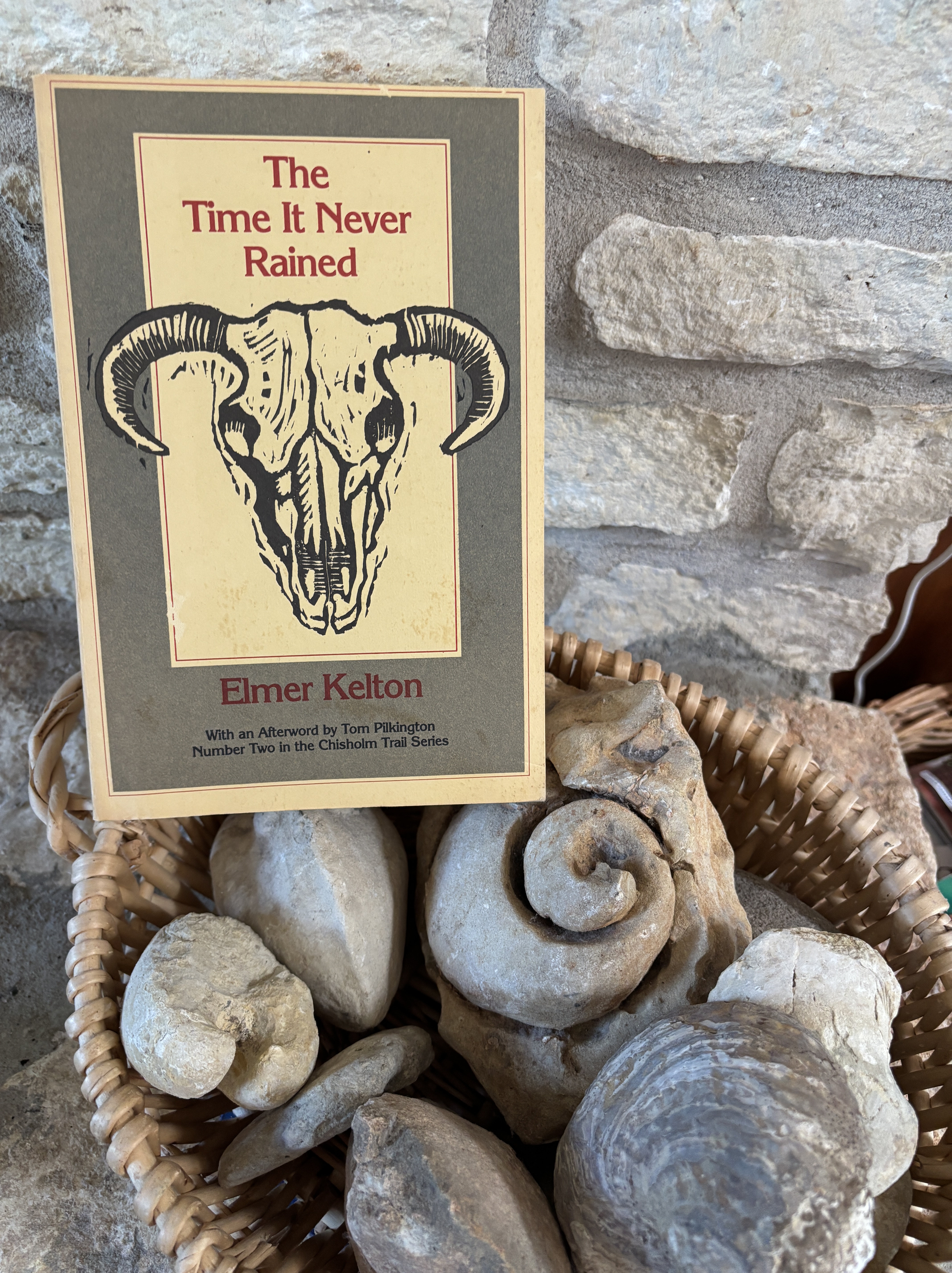
Still, given the (possible?) messages from the jasmine, I’m hoping we won’t relive the worst Texas drought, the drought of the 1950’s, so vividly described in Elmer Kelton’s classic The Time It Never Rained (1973).

Kelton’s dedication: “In a broad sense this book is dedicated to the old-time Western ranchman, whose life style gave him an inkling of Heaven and more than his proper share of Hell.”
The heat was indeed hellish. Corsicana, northeast of Austin, experienced 82 days of temperatures over 100 °F or 37.8 °C, peaking at 113 °F or 45 °C. https://en.wikipedia.org/wiki/1950s_Texas_drought

The seven-year drought finally broke in 1957. Per NPR, “Rural Texas never fully recovered. Between 1950 and 1960, the state lost nearly 100,000 farms and ranches, and rural residents who had made up more than a third of the population dwindled to just a quarter of the population.” https://www.npr.org/2012/07/07/155995881/how-one-drought-changed-texas-agriculture-forever

Out in the pasture the grass is tan, not green. The three donkeys are disconsolate. They come to the gate to pester us for carrots.

For continued green, I’m counting on the live oaks. Cedar elms. Redbud. Peach trees. Other plant treasures—basil, sage, geraniums, lantana, plumbago, bay tree, mint––are faring okay so far. But what about the poor suffering stuck-in-the-dirt rose bushes? Water? More mulch? Crossed fingers?

I’m working now on Book 11 in my Alice MacDonald Greer Mystery Series set in the hill country…Ghost Music. No drought involved, so far! But as always in this series, water is an important character!

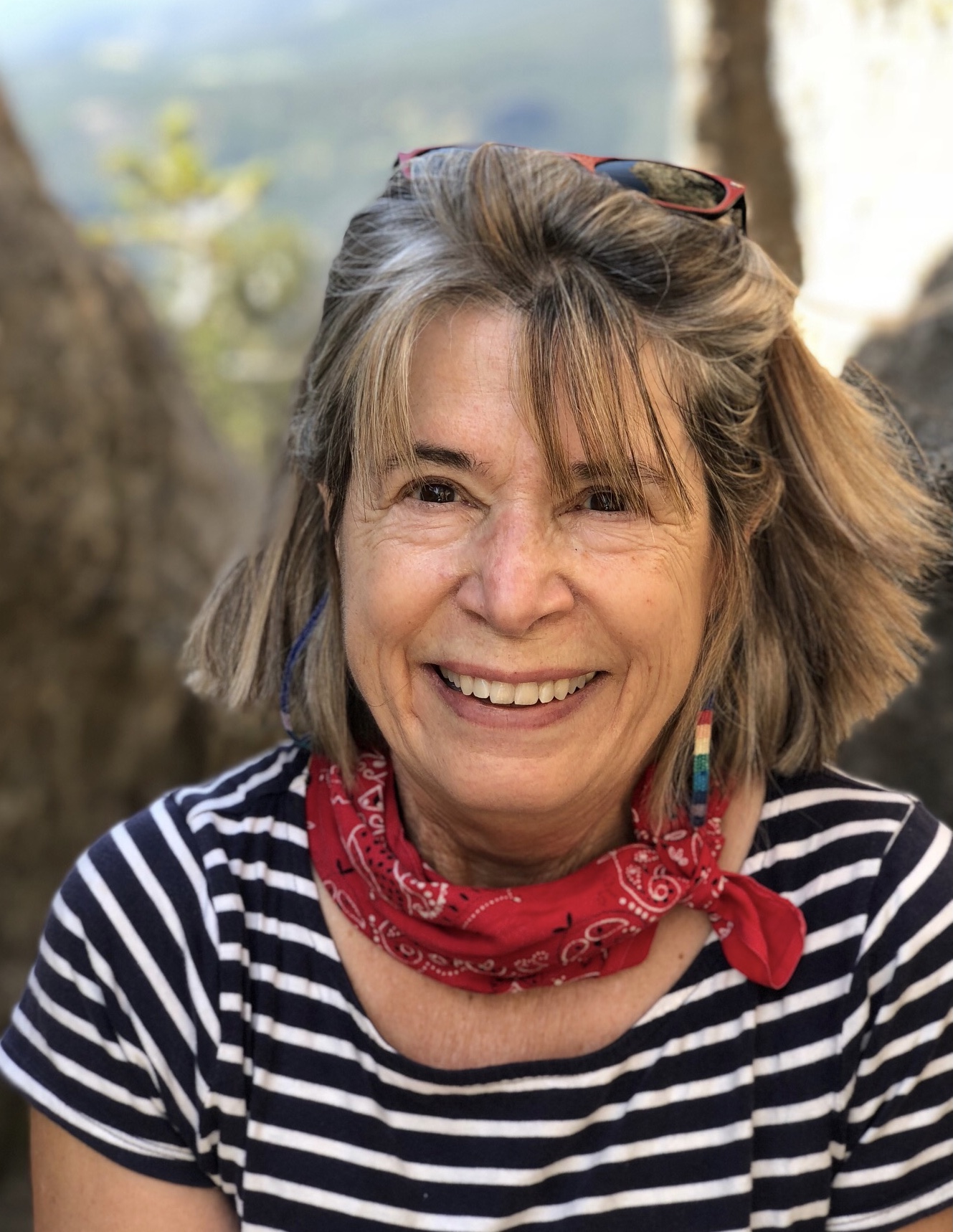
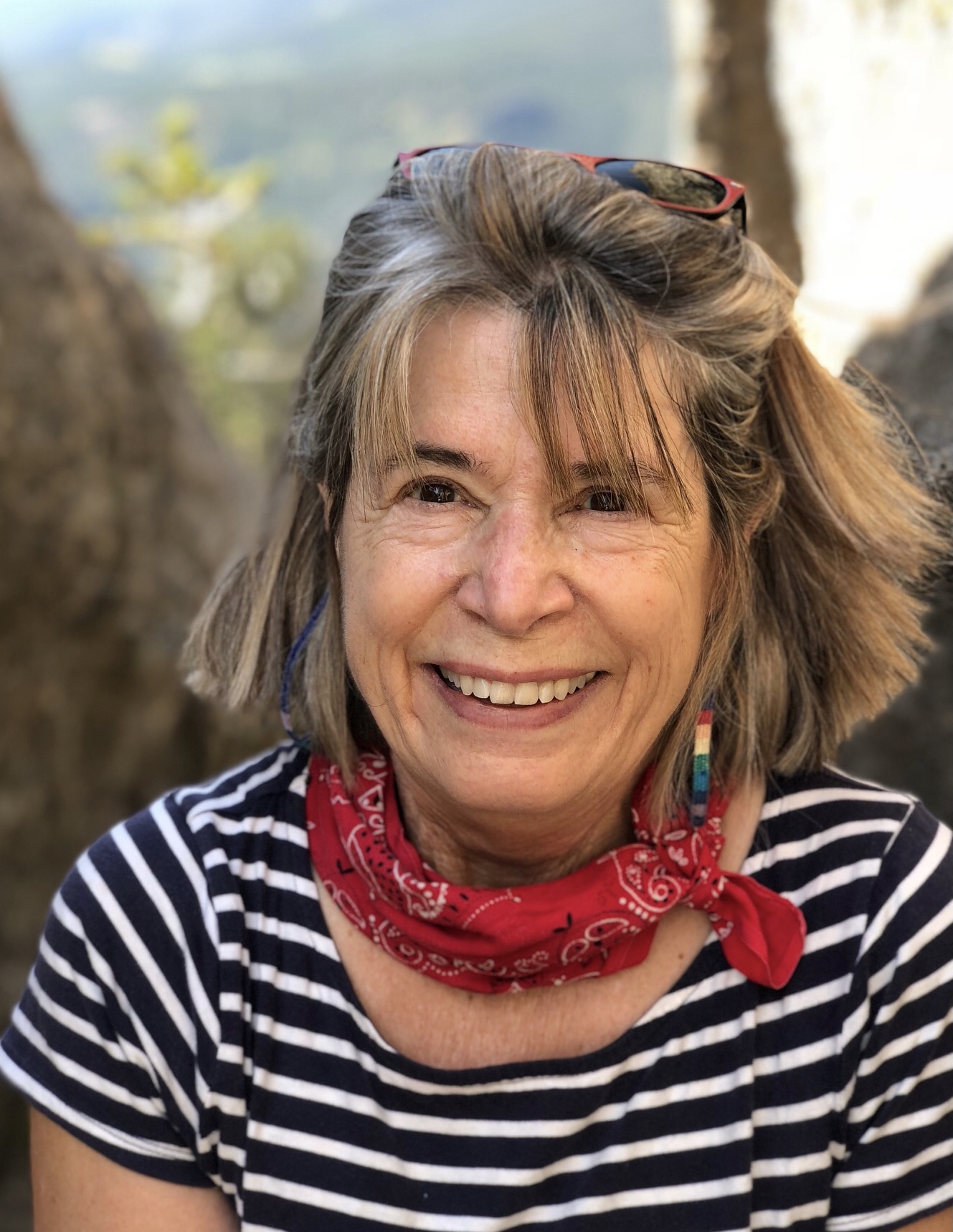
Helen Currie Foster lives and writes north of Dripping Springs, Texas, loosely supervised by three burros. She’s drawn to the compelling landscape and quirky characters of the Texas Hill Country. She’s also deeply curious about our human history and how, uninvited, the past keeps crashing the party! She’s active in Heart of Texas Sisters in Crime and also Austin Shakespeare. Follow her at http://www.helencurriefoster.com
Find her books on Amazon and also at BookPeople in Austin, Texas.

WHO? WHEN? HOW? So What’s the Answer?

by HELEN CURRIE FOSTER

The great thing about a winter storm? A glut of reading. I took refuge in re-reading the broad swath of Tony Hillerman mysteries. What a writer! And what a setting he creates.

I live just west of Austin, beyond the limestone wall of hills known as the Balcones Escarpment, on the Edwards Plateau—a vast hilly area of fractured porous Cretaceous limestone, full of fossils, and dry, except for its secret springs and precious narrow waterways. This Hill Country provides a sharply different landscape from the forests east of Austin and the lush coastal plain around Houston. Indeed, my college roomie (from Manhattan) famously asked, on her first trip to Texas, “Isn’t it kind of scruffy?”

Maybe, but only from a distance.

And limestone’s part of our culture and setting. On our dirt road in the country, all the houses are built of limestone and wood—except for one new red brick house that looks out of place. South of us, the old town of Dripping Springs still holds old limestone buildings—as do Blanco and Fredericksburg.

Back to Hillerman. Of course we readers plan to figure out WHO killed the victim and WHEN and HOW. But also, for mystery lovers, setting is key. Hillerman immerses us in the broad landscape his characters Joe Leaphorn and Jim Chee must travel as Navajo Tribal Police officers. Duty leads them not just throughout New Mexico but on into Utah and Arizona, along roads that dwindle into narrow dirt tracks, leading to canyons and cliffs. Leaphorn and Chee are always noticing desert flora—grama grass, buffalo grass, agave and yucca, and cottonwoods along a draw or seep. The sky sets the scene: “The light was turning red. The sun had dipped beneath the western Horizon, and the clouds in the west—dazzling yellow a few moments earlier—were now reflecting scarlet. Soon it would be too dark to see.” The Ghostway, Ch. 8.

And always the weather holds sway—a factor for Jim Chee to consider when driving off-road into a remote canyon: “By the time he reached the graded road leading to the Toadlena boarding school he was weary to the bone, with another thirteen miles through the snow…” (Ch. 23). Sky, weather, plants, sky, cliffs, canyons…all part of the setting. And housing? Hillerman describes the adobe buildings, the circular wood and stone Navajo hogans, the sheep pens, the Hopi cliff dwellings with their squares and kivas, where mystery unfolds. Access to scarce water may mean seeps, springs, buckets.

And as to the questions every mystery poses for the reader—which every reader plans to solve: WHO DID THE MURDER? WHEN? HOW? I loved revisiting Hillerman and searching for the answers. Not infrequently, water plays a role.

Coffee Creek, my made-up Texas town in the Alice MacDonald Greer mystery series, lies atop the Edwards Plateau. The lawyer protagonist, Alice, treasures her small ranch, with its impressive broad-branched live oaks, shallow creek, and scratchy cedar scrub––and her three watchful burros. She re-seeds her pasture with native grasses–buffalo grass and blue grama–and waits with eagle eyes to see the spring swaths of bluebonnets and the first incredibly beautiful prairie celestials. Alice also keeps an eye on water levels in her creek. Flash floods? Or drought? The Hill Country delivers both.

Currently, Barton Springs-Edwards Aquifer Conservation District, which manages groundwater for the Barton Springs segment of the Edwards Aquifer, has declared Stage 3 Drought Conditions for only the second time in its 39-year history. We got a bit of moisture during last week’s Deep Freeze but that may not be enough to avoid Stage 4 drought conditions. https://www.kxan.com/texas-water/texas-water-district-nears-historic-stage-4-emergency-drought-declaration/

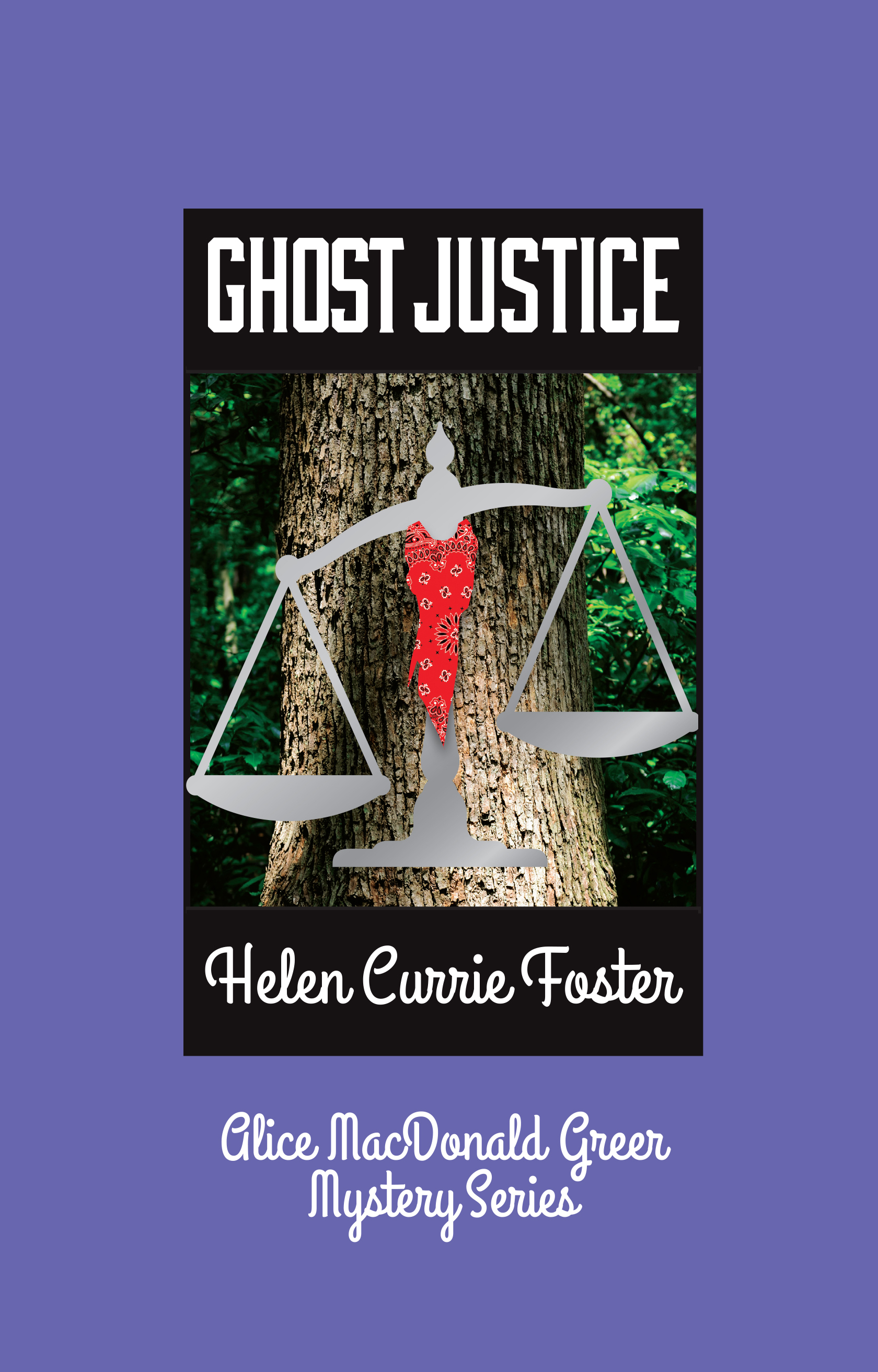
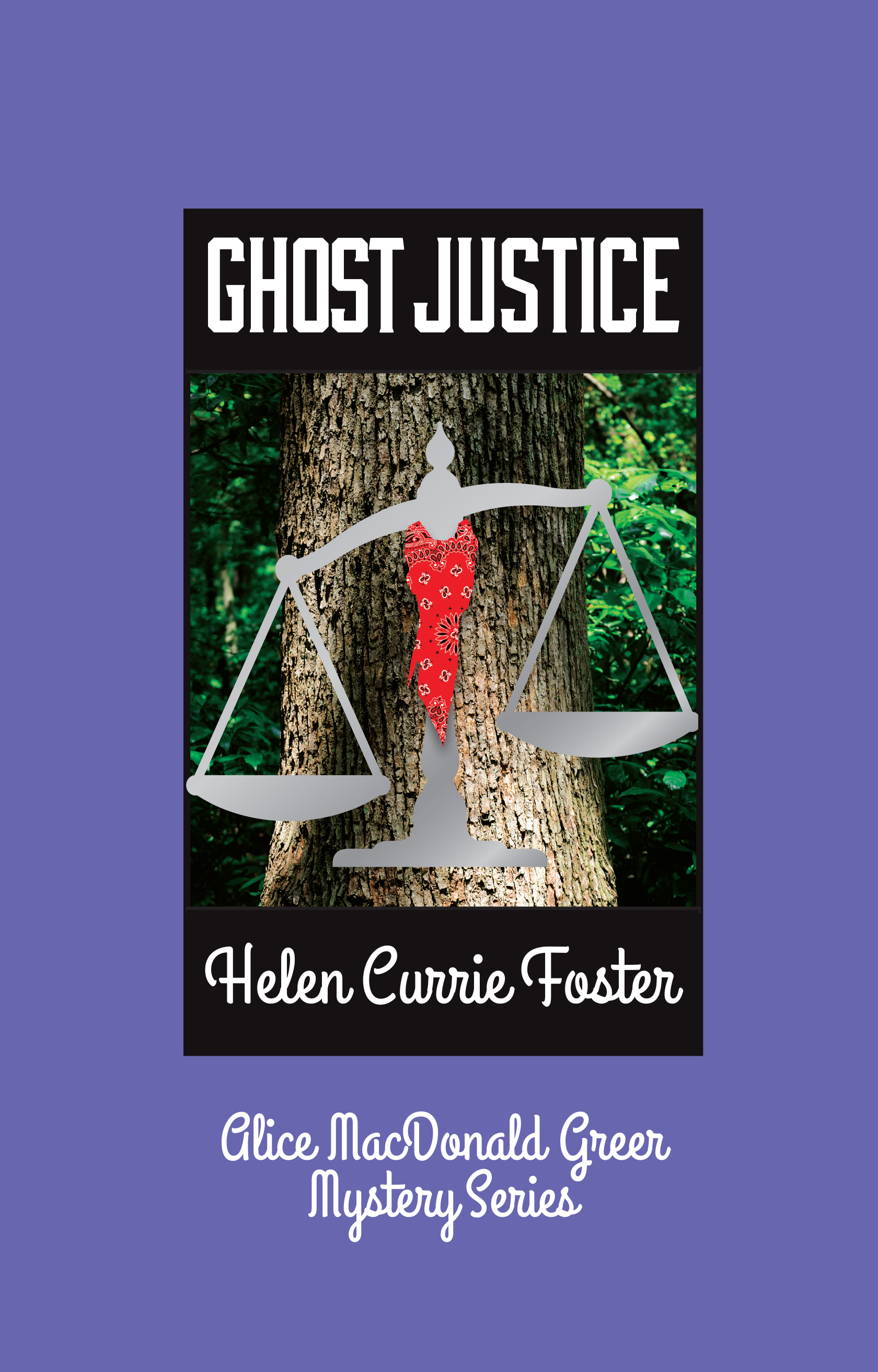
In Ghost Justice, Book 10 in the series, Alice’s Coffee Creek clients seek her help opposing a huge proposed concert venue in an area lacking sewers, where concert sewage effluent threatens the town’s water supply. As the frontier adage has it, “Whisky’s for drinking, but water’s for fighting.” Recently a similar actual proposal which could have affected Barton Creek near Dripping Springs was withdrawn after different owners bought the property. And yes, there’s murder, and yes, Alice is determined to solve it.

Water’s key in the Hill Country. To find out what happened in Ghost Justice—WHO killed the original victim, and WHEN AND HOW…and what happened to the perpetrators– you can find the bookonline or at BookPeople in Austin!

Meanwhile, I’m still deeply interested in Texas rock art (rock art is critical in Ghost Cave, Book 1 of my series), especially after the recent thrilling discovery of a 67,800 year old hand print stencil on Muna Island in Sulawesi, Indonesia. https://www.nationalgeographic.com/history/article/worlds-oldest-rock-art-indonesia-hand-stencil

I’m also reading I Heard There Was a Secret Chord (2024) by neuroscientist and musician Kenneth J. Levitin, who’s exploring music and healing. One intriguing fact: of the 4500 species of animals on our planet that sing or hum, humans are the only species that live on the ground. Apparently, all the others live in the water or in trees. Humming! Levitin also notes, “The 60,000-year-old bone flute discovered in the Divje Babe cave near Cerkno, Slovenia, plays a pentatonic scale that would be recognizable by anyone alive today.” Id. At 308.

The human animal—a mystery! With history!

Helen Currie Foster lives and writes the Alice MacDonald Greer Mystery series north of Dripping Springs, Texas, loosely supervised by three burros. She’s drawn to the compelling landscape and quirky characters of the Texas Hill Country. She’s also deeply curious about our human history and how uninvited, the past keeps crashing the party. Follow her at http://www.helencurriefoster.com.

Her books are available online at Amazon and at BookPeople in Austin.

Fall Comes to Paris

By Helen Currie Foster

Travel thoughts.

It’s fall in Paris. The rows of chestnuts flanking the Seine are turning golden-brown; gingko trees sport their distinctive yellow leaves, preparing to fling down, on one afternoon they keep secret, all their leaves at once.

Fall fashion? Long hair for women, slim tan trench coats at mid-calf, midi-length swishy skirts. Anyone can wear jeans and sneakers (male, female, old, young) with a blazer-cut jacket. In the markets, apples from the Garonne (Pixie Pommes!), quantities of mushrooms, cashmere scarves. Kids scurry to school at eight while their older siblings stride down Rue de l’Universite toward Science Po. 

I’m forever grateful to Madame, our wondrous French teacher at McCallum High in Austin. On the first trip to Paris over fifty years ago, fresh off the early train, my husband and I stopped at a café where I opened my mouth in fear and trembling to order in French—deux cafes et deux croissants.

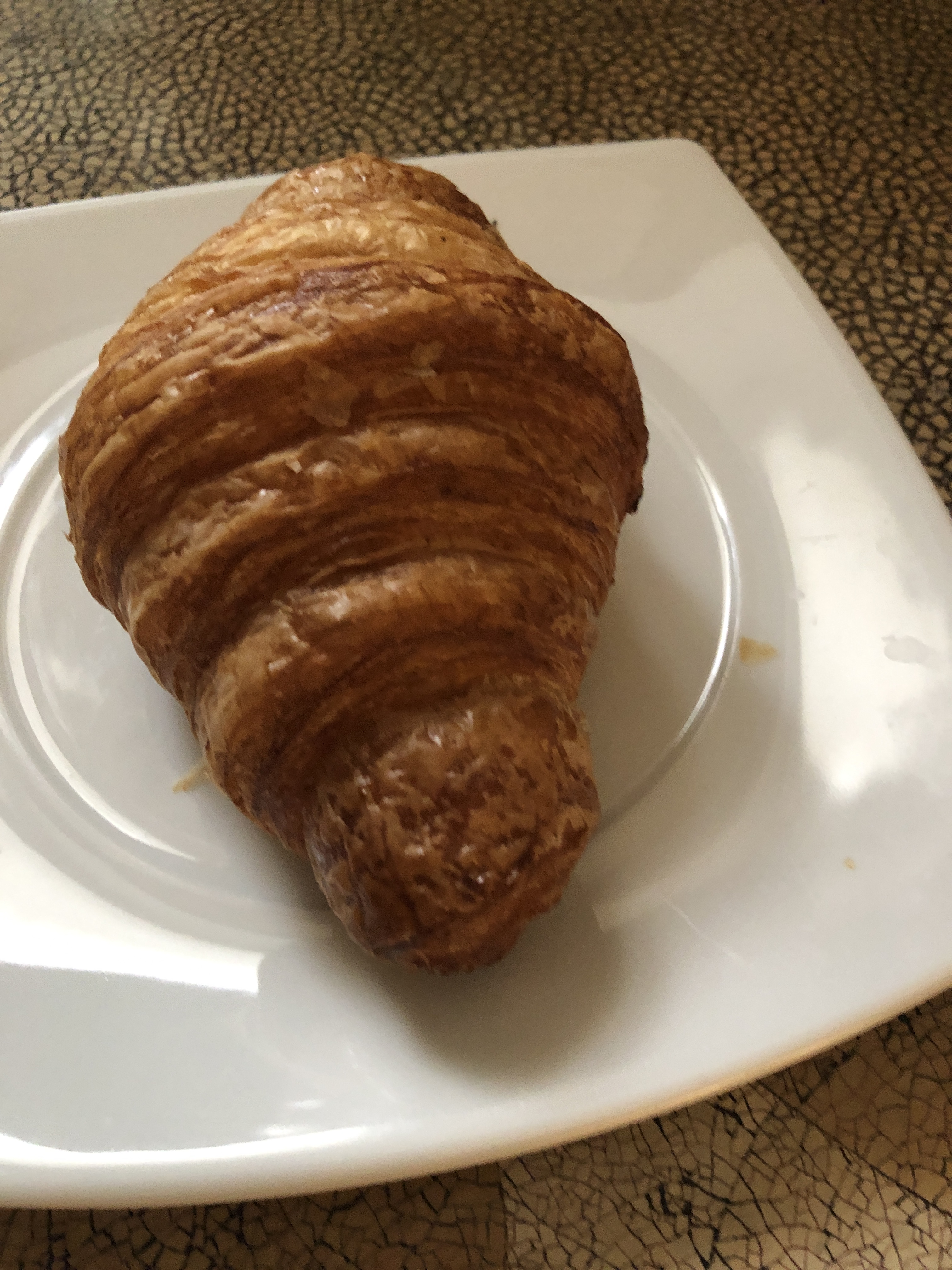
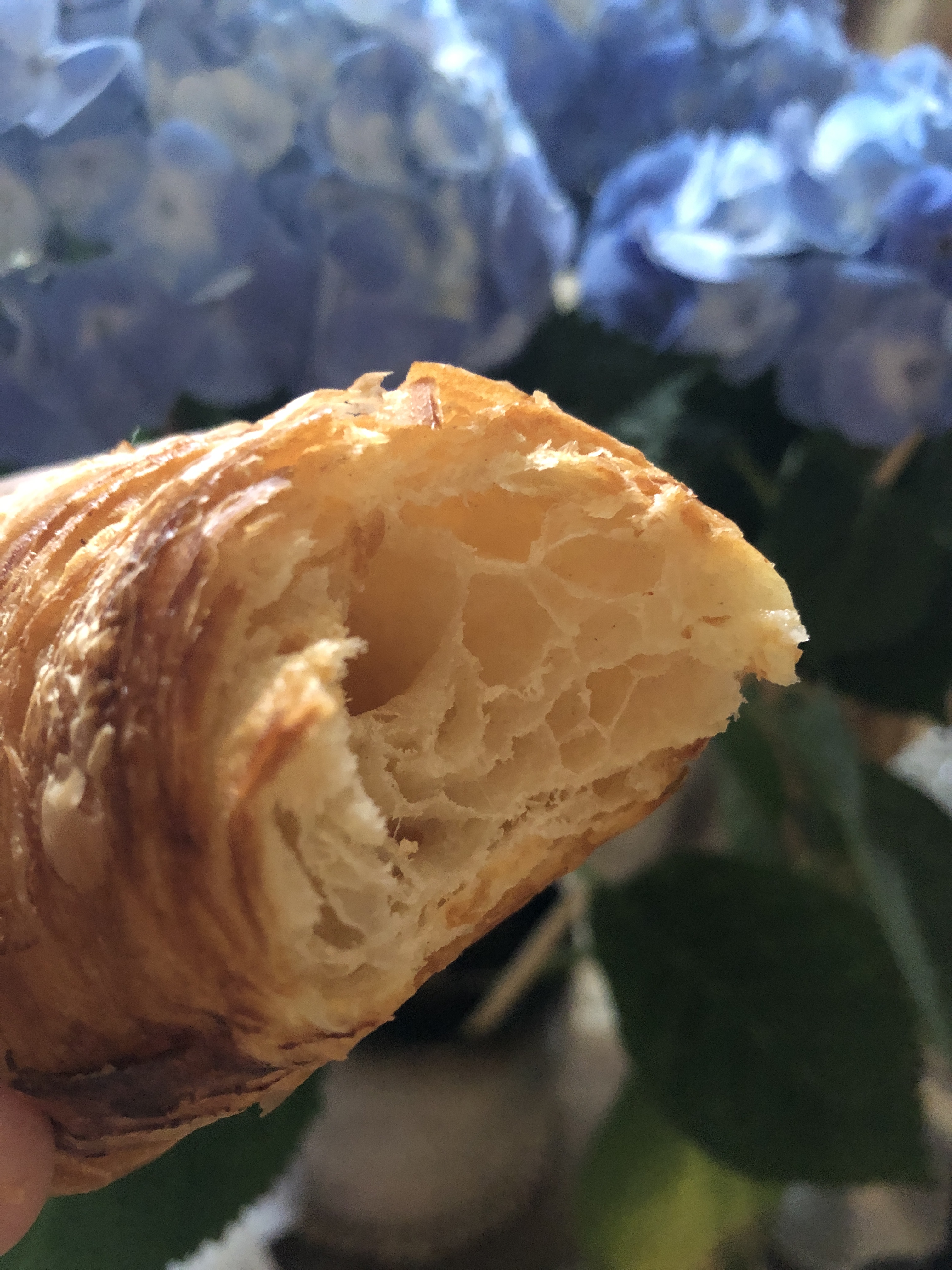
To my shock the proprietor didn’t blink. And the result was magic—our first taste of croissant.

Long past high school I still say “Merci, Madame!” A Parisienne, she had (I believe) a PhD. She maintained perfect class discipline—even with smarty seniors. When anyone asks, how did you learn French? I say, “Madame! She made us sing songs!” https://www.youtube.com/watch?v=96JRl7bER3g&list=RD96JRl7bER3g&start_radio=1

As to “à la Claire Fontaine” I suspect she omitted the first two verses—at least I don’t remember singing about bathing beneath a tree! But this song and the rest we still remember, decades later.

Sur le Pont d’AvignonFrère JacquesAlouette, gentille alouette, je te plumerai (le nez, le cou, et la tete, et le dos, etc.). At Christmas, Il est né, le divin enfant. Twisting your tongue around the pretty French words leaves you with life skills.

(She didn’t teach us La Marseillaise. But I still get chills when, in Casablanca, Victor Laszlo leads the crowd at Rick’s in singing it.)

And another beloved teacher taught both Latin and English. She could order grown seniors to race to the blackboard to diagram sentences, and insisted we use proper punctuation.

What was it about those favorite teachers? They made us learn. They brooked no foolishness. They could tell when we faked preparation. They thrust us into difficult novels, demanding paintings, complex unfamiliar music. Hitherto hidden histories. Concepts we hadn’t invented or come upon by ourselves.

Maybe we did learn. Maybe—that learning is worthwhile.

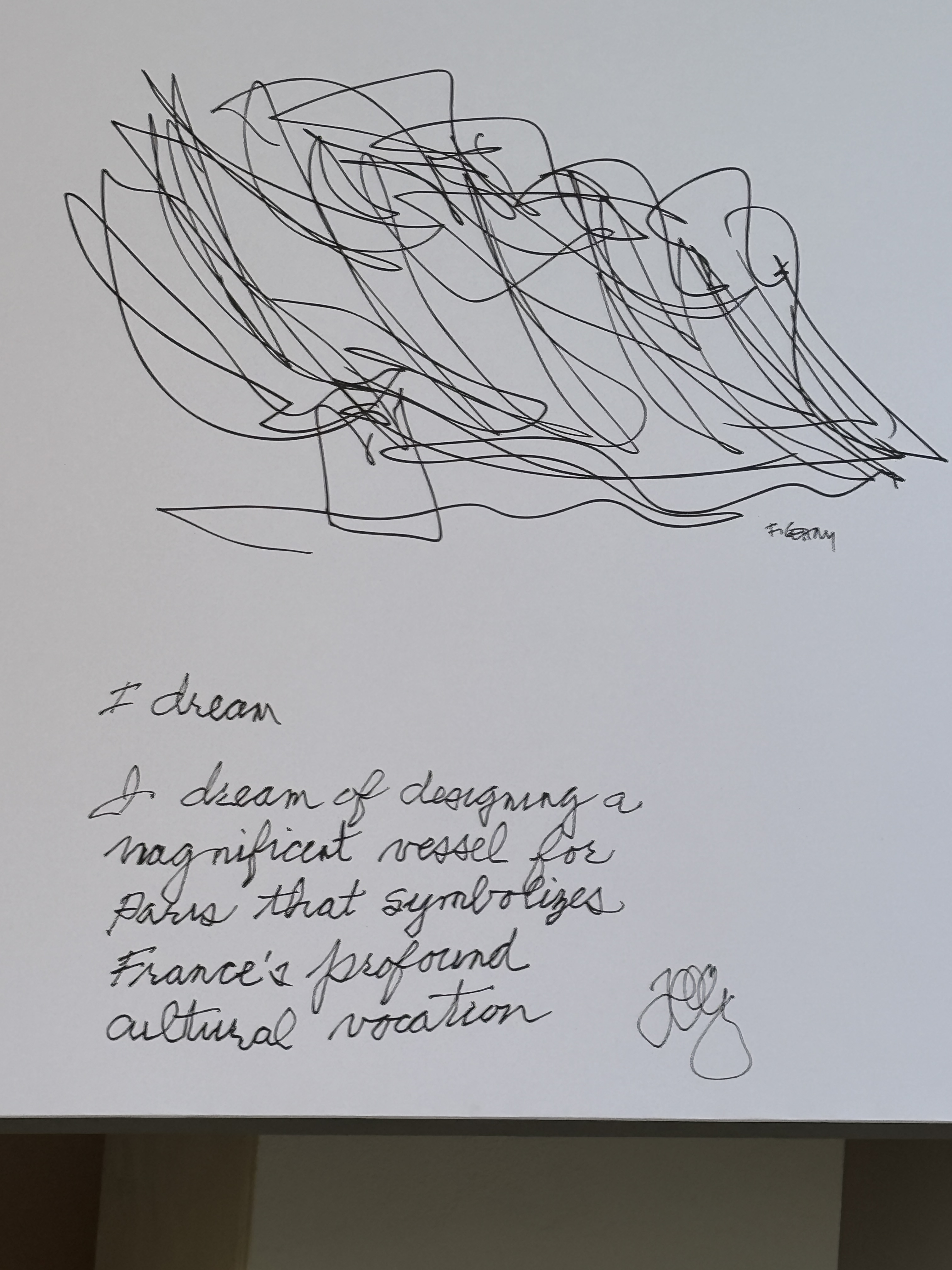
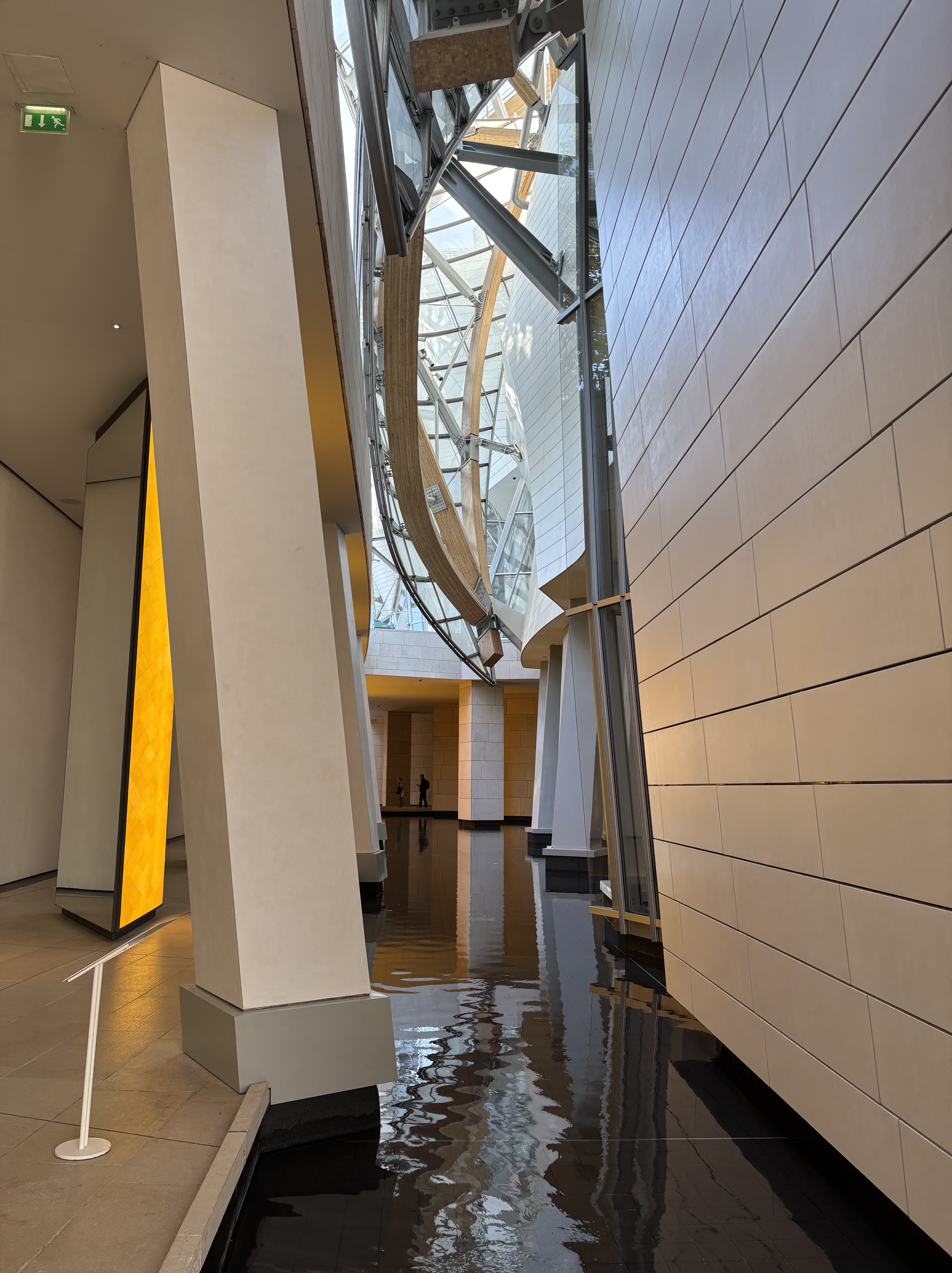
Yesterday we visited La Fondation Louis Vuitton to visit what architect Frank Gehry dreamed of as an iceberg with sails.

Curves, lines, water, wood… magical in their power.

The building invites you to wander and wonder. What imagination, what creativity, what a vision! I listened to the rippling water traveling down the slope—the sound took over. Couldn’t hear traffic, or talking. Just the water–in the middle of a vast city. Being there takes you back to Roman stonework (rectangles, arches, roads in straight lines), and then to the power of curved sails, moved by wind and water. People working there seemed quietly confident that visitors should and would be (but not literally) blown away.

READING: I’m very much enjoying Susan Wittig Albert’s Thyme, Place & Story website where she is now serializing the first China Bayles book–A Bitter Taste of Garlic. Many of us are fans of this series, and would be delighted to visit China’s herb shop in a town not far from Austin…!

I just finished Mick Herron’s Down Cemetery Road. I found it much scarier than the Slow Horses novels…but still wanted to know the ending. It was published over 20 years ago and apparently will be streaming in October.

On the flight over I was reading Graham Robb’s France, including some tales of Paris that were scarier than Down Cemetery Road. Like being the butt of your buddies’ jokes and winding up as a prisoner in Fenestrelle, a political prison during the Napoleonic era. https://fr.wikipedia.org/wiki/Forteresse_de_Fenestrelle

Meanwhile, at home, Ghost Justice is now out! Book 10 in my Alice MacDonald Greer Mystery Series set in the Hill Country. Available at BookPeople on Lamar Blvd. in Austin https://bookpeople.com/ and on Amazon. https://amzn.to/4pk8WQO

Hope you’ll enjoy it!

Helen Currie Foster lives and writes the Alice MacDonald Greer Mystery Series north of Dripping Springs, loosely supervised by three burros. She’s drawn to the compelling landscape and quirky characters of the Texas Hill Country. She’s also deeply curious about our human history and prehistory and how, uninvited, the past keeps crashing the party. Follow her at http://www.helencurriefoster.com.