UNDER CLOSE OBSERVATION…

BY HELEN CURRIE FOSTER

May 18, 2026

One morning each year the bird genius, Jesse Huth, of Huth Avian Services, arrives from Wimberley to conduct our annual bird survey.

Every year I tiptoe along behind, hearing his soft announcements. “Green heron above the creek.” I look up, straining to spot the lovely heron in flight. While I’m wondering what it would be like to fly like that, I hear: “Red-tailed hawk.” Now Jesse’s facing a different direction, lifting his binoculars. Later, “American Redstart.” (I ask myself: what’s that?) We climb back up from the creek. Then, “Field sparrow. Lark sparrow.” (I peer, unsure of the difference.) Then off to the pasture. “Vireo, red-eyed.” “Vireo, white-eyed.” And “Vireo, yellow-throated.” 

Those vireos?—I never spot them, whatever they are doing––flying, darting, twittering, disappearing.

Then—such elation! Sitting boldly at the top of a tree we see the brilliant crimson of a summer

tanager, surveying its territory. https://macaulaylibrary.org/asset/657490711.

And in the same tree—golden-cheeked warblers! https://macaulaylibrary.org/asset/657490671

I’ve never seen one before. And finally, hiding in the branches, the ineffably gorgeous painted bunting! https://macaulaylibrary.org/asset/657490695

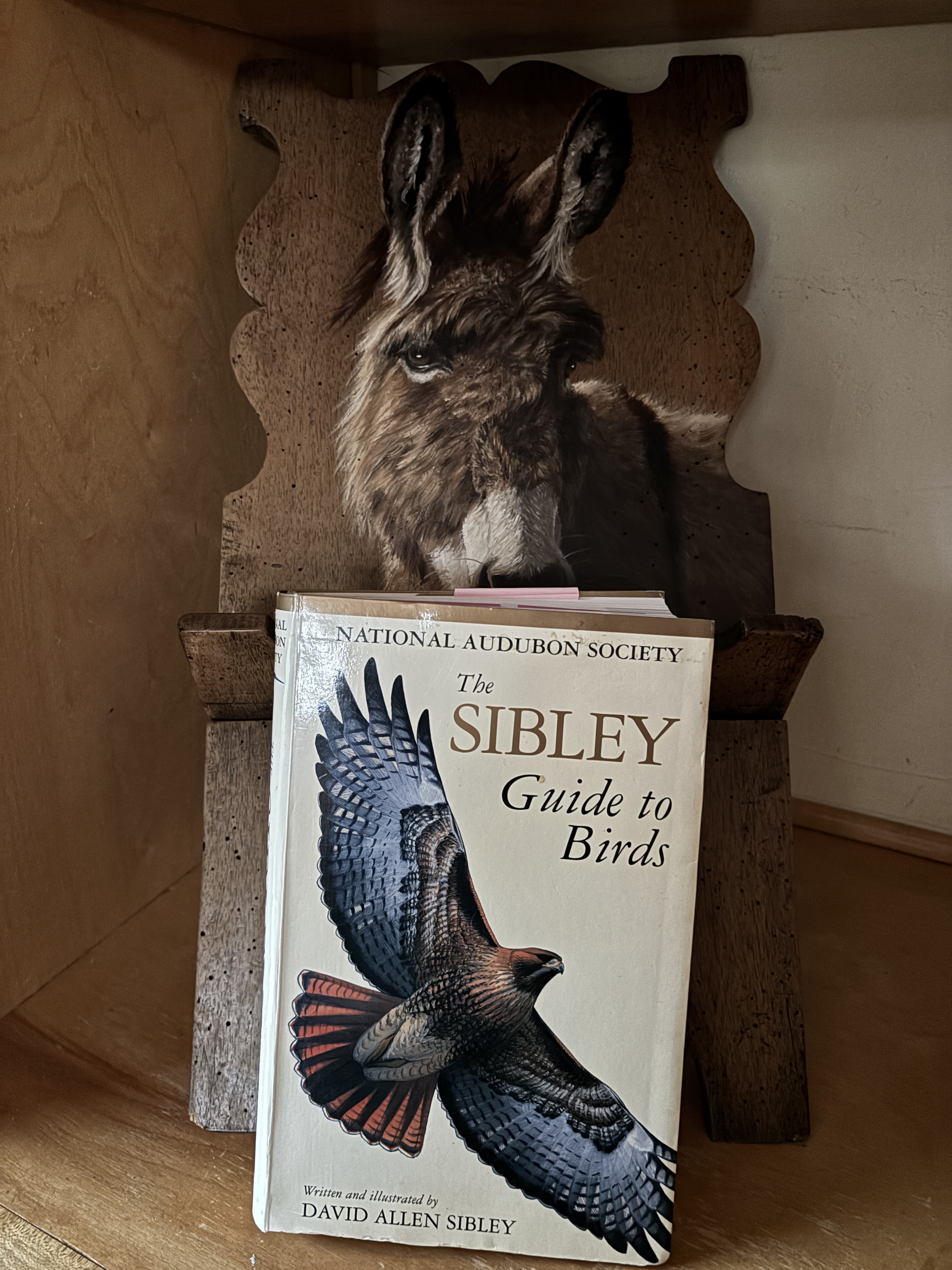
Jesse’s an expert on birds. He has studied their voices, their habits, their preferences, their appearance. He knows how to use owl calls to draw a crowd of various birds. After Jesse departs, I grab The Sibley Guide to Birds to study those three vireos (red-eyed, white-eyed, yellow-throated).

So tiny, the differences! You have to see the eye, where the yellow is, and where it isn’t; you must notice whether it has the gray cap, or not…

Jesse has spent years with those birds under close observation, yes, and under closer observation, applying his knowledge of detail. He sees differences that escape me. He can distinguish their songs.

After two hours he’s observed, and recorded or photographed, 40 species.

Details! Writers also must choose details that work, that light up, that bring to life characters and setting. That phrase—“under close observation”—describes the writer’s job: finding just the right details of setting, just the right details of characters, to make the plot come to life and satisfy the reader, the audience.

We all know great examples. In Act I, Shakespeare’s Julius Caesar closely observes Cassius:

            “Seldom he smiles, and smiles in such a sort

            As if he mock’d himself and scorn’d his spirit

            That could be moved to smile at anything.

            Such men as he be never at heart’s ease

            Whiles they behold a greater than themselves,

            And therefore are they very dangerous.”  Act I, Scene II.

Reading that, did you get a glimpse of Cassius’s face, as Caesar describes it? And hear that firm conviction, “therefore are they very dangerous”? Right away we begin to hold our breath.

I confess I do want to like the protagonist, whether in a play, a novel, a mystery, biography, autobiography. I do not need to approve entirely of that character, but, whatever the genre, I prefer to spend time reading about someone I can empathize with. So, turning to autobiography, consider these excerpts from the beginning of Out of Africa, by Isak Dinesen:

I had a farm in Africa, at the foot of the Ngong Hills. The Equator runs across these highlands, a hundred miles to the North, and the farm lay at an altitude of over six thousand feet. In the day-time you felt that you had got high up, near to the sun, but the early mornings and evenings were limpid and restful, and the nights were cold. …

We grew coffee on my farm. The land was in itself a little too high for coffee, and it was hard work to keep it going; we were never rich on the farm. But a coffee-plantation is a thing that gets hold of you and does not let you go, and there is always something to do on it: you are generally a little behind with your work.

…Later on, when I flew in Africa, and became familiar with the appearance of my farm from the air, I was filled with admiration for my coffee-plantation, that lay quite bright green in the grey-green land, and I realized how keenly the human mind yearns for geometrical figures.

With these details Isak Dinesen makes us see the farm and the Ngong Hills, then makes us feel the air at six thousand feet… with “lipid and restful” evenings. We feel her emotional attachment—“a coffee-plantation is a thing that gets hold of you and does not let you go.” Then she catches our imagination, describing seeing her farm from the air while flying, and shares her discovery that “the human mind yearns for geometrical figures.” Her own observations of detail reveal to us the protagonist, the main character in this autobiography, as a thinker, a noticer, a person with staying power, who once (but no longer) “had a farm in Africa”—and now offers to share that adventure. Her intelligence, her sensibility, her brilliant use of detail, kept me turning the page.

Another protagonist we meet and can’t abandon: Count Alexander Ilyich Rostov, of Amor Towles’s A Gentleman in Moscow. We’re introduced as the Count strides back from the Kremlin Gates to his home at the Hotel Metropol. On the way he greets the fruit seller, thanks the soldiers whose prisoner (we now perceive) he is, returns to his elegant suite—and learns that he has been dispossessed. He will spend the rest of his life in a tiny room in the hotel’s attic: “a cast-iron bed, a three-legged bureau, and a decade of dust.” He’s allowed to retrieve a few possessions. He wants “all the books” and also chooses two high-back chairs his grandmother’s oriental coffee table, porcelain plates, two table lamps, and the portrait of his sister…plus one trunk which he fills with clothes and personal effects, including his sister’s tiny scissors. We watch him take a last walk through his suite, then return to his tiny new room. A pigeon lands outside:

“Why, hello,” said the Count. “How kind of you to stop by.”

The pigeon looked back with a decidedly proprietary air. Then he scuffed the flashing with its claws and thrust its beak at the window several times in quick succession.

“Ah, yes,” conceded the Count. “There is something in what you say.”

I already liked this man, his exquisite courtesy to the pigeon, his apparent ability to laugh at himself, his apparent determination to stay himself, to refuse to give the state the satisfaction of causing him despair …despite the state’s efforts to destroy almost everything he has. Then I watch while he hosts a party for his friends in the hotel staff:

“The Count was something of a natural-born host and in the hour that ensued, as he topped a glass here and sparked a conversation there, he had an instinctive awareness of all the temperaments in the room.”

Personal tragedy, but humor, civility, sensitivity, courage—and determination. Okay, I’ll definitely keep reading.

Screenwriter Robert McKee, in his book Story about principles of screenwriting, points out that a story’s protagonist must have a conscious desire, but must also have the capacities, and at least a chance, to attain that desire. Also, according to McKee, “The protagonist must be empathetic; he may or may not be sympathetic.” Per McKee, “Empathetic means ‘like me.’ Deep within the protagonist the audience recognizes a certain shared humanity.”

McKee explains: “The unconscious logic of the audience runs like this: ‘This character is like me. Therefore, I want him to have whatever he wants, because if I were he in those circumstances, I’d want the same thing for myself.’” Amor Towles certainly accomplished that with Count Rostov.

So what details have kept you reading a book? What particular description made you think—this writer’s keeping me entertained, keeping me turning the pages? In particular, are there protagonists who—when you think about it—have some appealing characteristics you enjoy? I’d love to hear your thoughts.

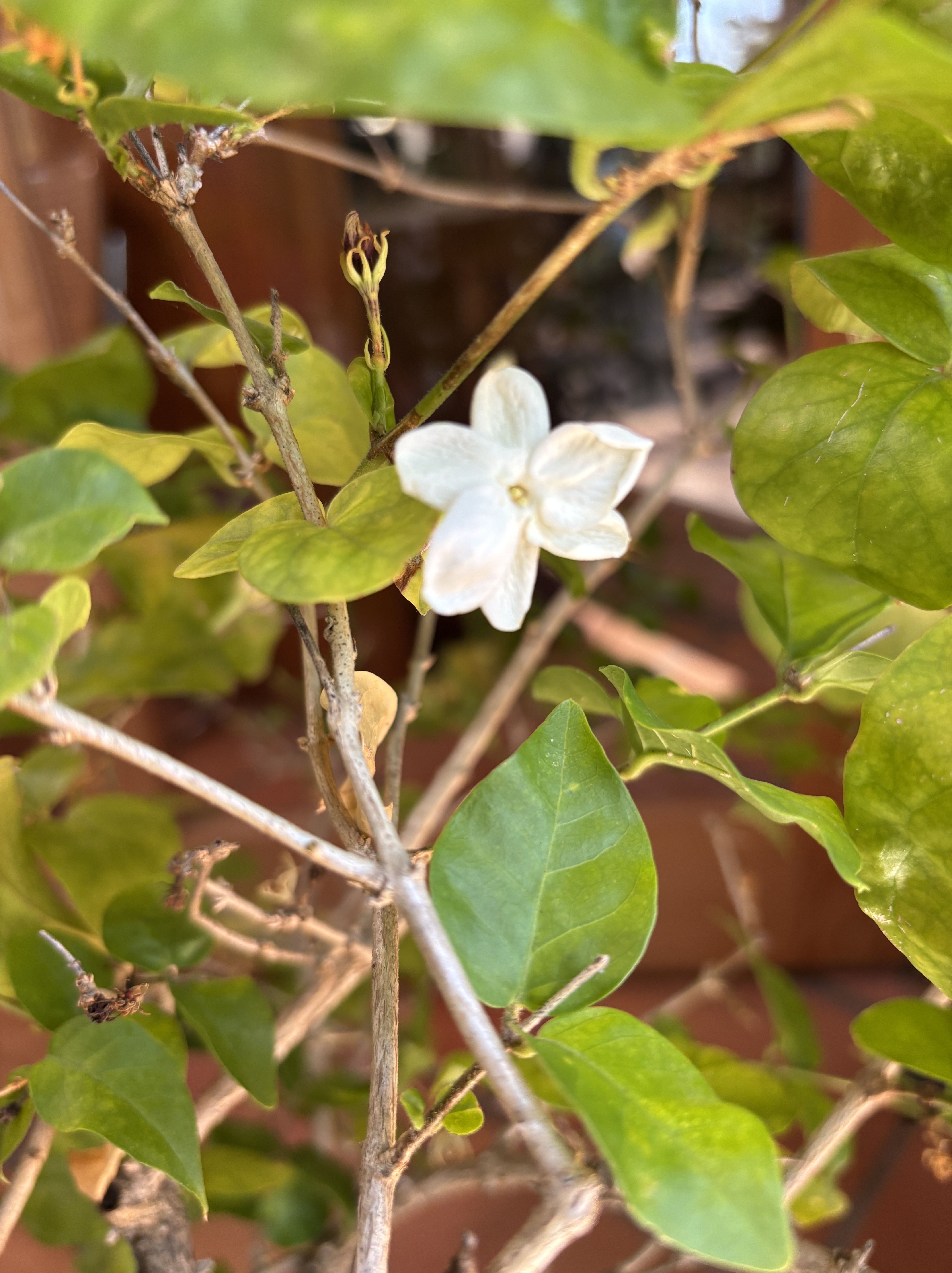
Now, a short report. First, no peaches. Tragically, after warm weather when the blossoms opened and tiny peaches formed, two late freezes killed the baby peaches. Sigh. Second, after unusual rain, the pastures out here in Hays County are bright green. No bluebonnets this year (well, maybe six), but we still have magenta Wine Cup, lavender Passion Flower, and so many yellow flowers—Brown-eyed Susan, Mexican Hat, Golden-Eye, Coneflowers, Sunflowers, Cowpen Daisy, Golden-Wave Coreopsis, Navajo Tea, Indian Blanket. Hard to know which is which.

I’m at work on Book 11 in the Alice MacDonald Greer Mystery series, set in the Texas hill country. That means working on the big triumvirate—setting, characters, plot. The protagonist, Alice, definitely has a conscious desire, and the capacities to attain it—but barriers lie ahead. Yes, she’s under close observation. Stay tuned.

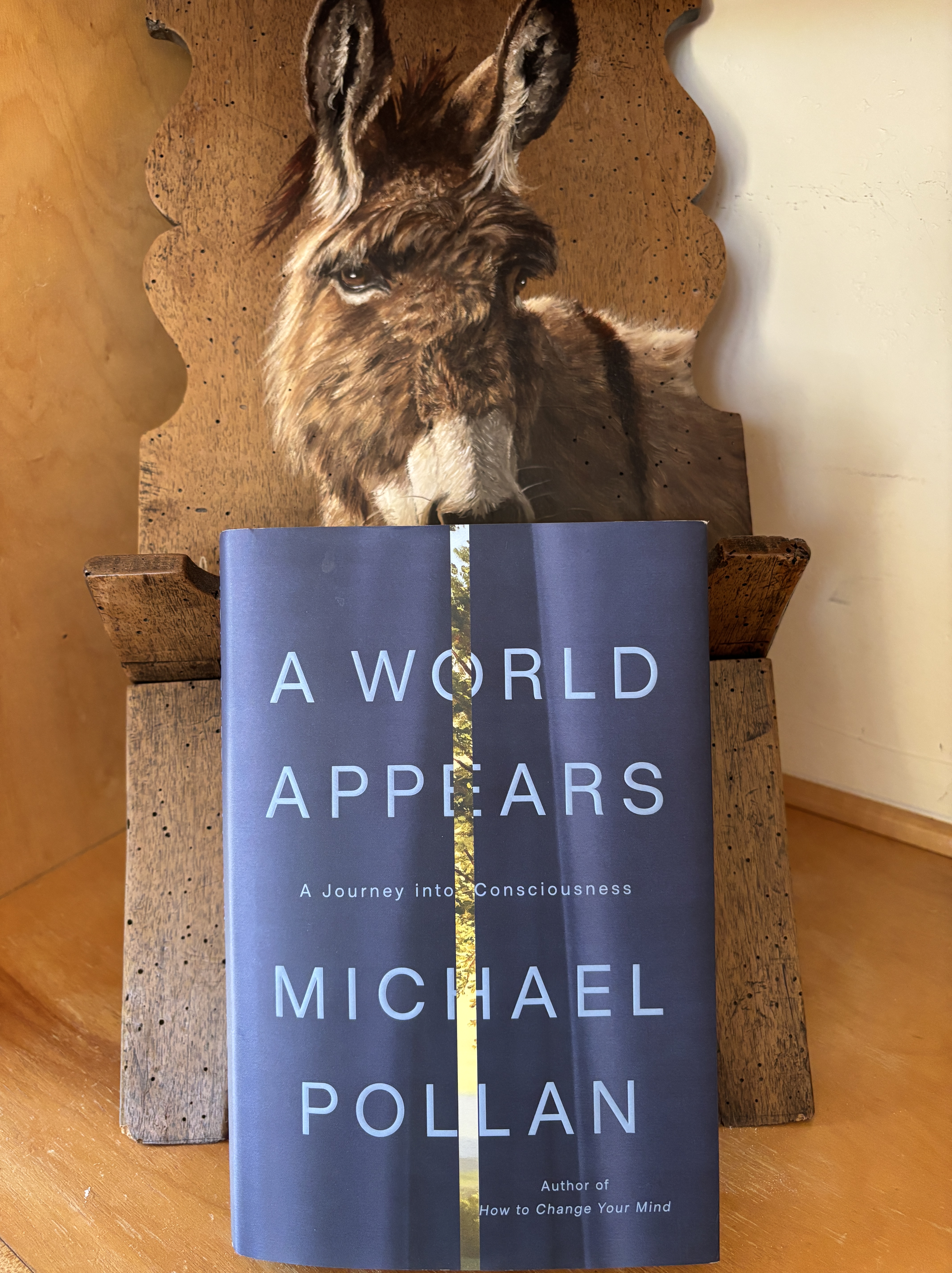
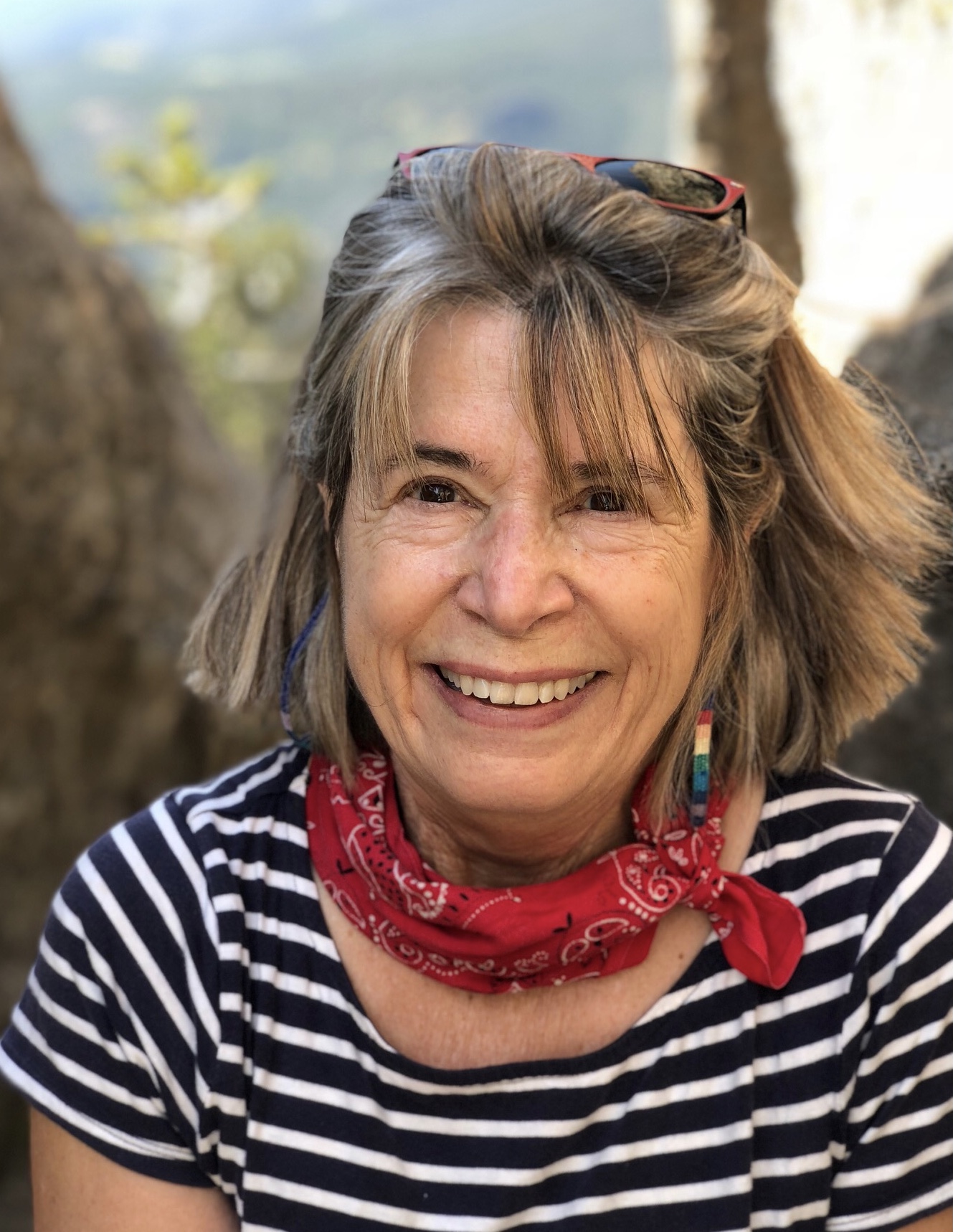
Helen Currie Foster lives and writes the Alice MacDonald Greer Mystery series north of Dripping Springs, Texas, loosely supervised by three burros. She’s drawn to the compelling landscape and quirky characters of the Texas Hill Country. She’s also deeply curious about our human history and how, uninvited, the past keeps crashing the party. She’s active with Austin Shakespeare and the Heart of Texas Sisters in Crime Chapter of the national Sisters in Crime (come join us! 2-3:30, Laura Bush Library on Bee Cave Road, second Sundays of the month).

June 25, 2026–Watch for the DSCL Author Showcase–Helen will be presenting, along with Jo Pellinore and Michael Baldwin! Social at 5:45, Panel Discussion 6-7:30. Contact Dripping Springs Community Library to register.

Follow Helen at http://www.helencurriefoster.com and find her books on Amazon and also at BookPeople in Austin, Texas.

The Research Rabbit Hole: Hotel Room Doors and Locks

By N.M. Cedeño

Recently while writing a story set in 1968 inside a fictional, historical hotel, modeled on the Driskill Hotel in Austin, Texas, I ran into a question about hotel doors. Finding the answer took me down a rabbit hole of research into the safety codes and regulations governing hotel doors and locks.

Images Created with Canva

In the 1800s many hotels kept room keys on hooks behind the registration desk. A guest would be given the key when they checked in. When leaving the hotel temporarily, guests would leave the bulky, skeleton-style keys at the desk and reclaim them when they returned. Desk clerks would know at a glance if a guest was in the hotel at any given moment.

With improvements in locks and the manufacturing of smaller keys, guests began to keep room keys in their possession when leaving the hotel temporarily. Housekeepers and managers had to have master keys to be able to access rooms when guests were out or lost their key. Hotel doors in the early 1900s did not close and lock themselves. For my story I needed to know at what point the regulations changed to require hotel doors to close and lock themselves.

This turned out to be two different questions because the requirement for self-closing is separate from the issue of self-locking.

On the issue of self-closing doors, I learned that hotel fires spurred building code changes. The June 5, 1946, La Salle Hotel Fire in Chicago killed sixty-one people. The Canfield Hotel Fire in Dubuque, Iowa, on June 9, 1946, killed nineteen people. And the Winecoff Hotel Fire on December 7, 1946, in Atlanta killed one hundred nineteen people. On the heels of these 1946 fires, building codes across the United States were changed in the 1950s to require self-closing, fire-resistant doors in hotels, and enclosed stairwells to protect people escaping from fire. The regulations only required the doors to self-close, not to lock.

Additionally, in many places, older buildings were not required to meet newer safety codes. After the 1970 Ponet Square Fire, Los Angeles passed regulations requiring retrofitting older buildings over two stories tall with enclosed stairwells to provide a protected path out of the building. The Ponet Fire Door ordinance required the installation of self-closing doors that could block the spread of fire for at least one hour on rooms and stairwells. But different states and localities have different rules on retrofitting of older buildings. After the 1980 MGM Grand Fire in Los Vegas, a commission was formed in Nevada to discuss the need for making older buildings comply with newer regulations.

I still didn’t have an answer on the question on whether the door self-locked. Here Mr. John Payne, a forensic locksmith, came to my rescue. He said: “The lock side of the equation was solved earlier: Walter Schlage patented the “key shutout mechanism” — the core of what we now call the “hotel lock function” — in a series of patents beginning in 1933. The typical hotel function lock had an outside handle that did not move and a key was required to retract the latch to enter from the corridor. The door would automatically latch behind every guest who entered or departed the guest room. The combination of a self-closing door and a self-latching hotel lock cylinder meant that by the mid-20th century, a hotel guest needed to do nothing at all when leaving a room — the door closed, latched, and locked itself.” Thus, hotels built after the mid-1930s would probably have these newer door locks.

But Mr. Payne pointed out, many hotels didn’t consider functional door locks for guest security to be an important responsibility until after singer Connie Francis sued Howard Johnson Hotels in 1976. Ms. Francis was beaten and raped in her hotel room. Her attacker gained entrance through a sliding glass door that was easily opened from the outside. The hotel was aware that the door locks were not sufficient and that other incidents had occurred at the hotel. A jury found the hotel liable for the assault. Prior to this lawsuit, only the assailant had ever been held responsible for such an attack in a hotel. This lawsuit (Garzilli vs. Howard Johnson Motor Lodges, Inc.) was the first to establish that hotels are required to provide adequate security for guests, which includes functional door locks.

After this deep dive down the research rabbit hole, I had the answers I needed to make my story work. My fictional historical hotel built in 1886 might not yet have self-closing, self-locking doors in 1968, especially if it was scheduled to undergo a major renovation in 1969 to bring it up to code. My fictional hotel guests would still have to manually close and lock their own hotel room doors using the original Victorian era knobs and locks. Which means, someone might forget to lock a room, allowing for a robbery to occur. Thus, the crime in my story was plausible. Now, I won’t have people writing to tell me that the fictional thefts in my fictional hotel were impossible, and more importantly, the editor who questioned the door closing and locking situation and sent me down this research rabbit hole is satisfied.

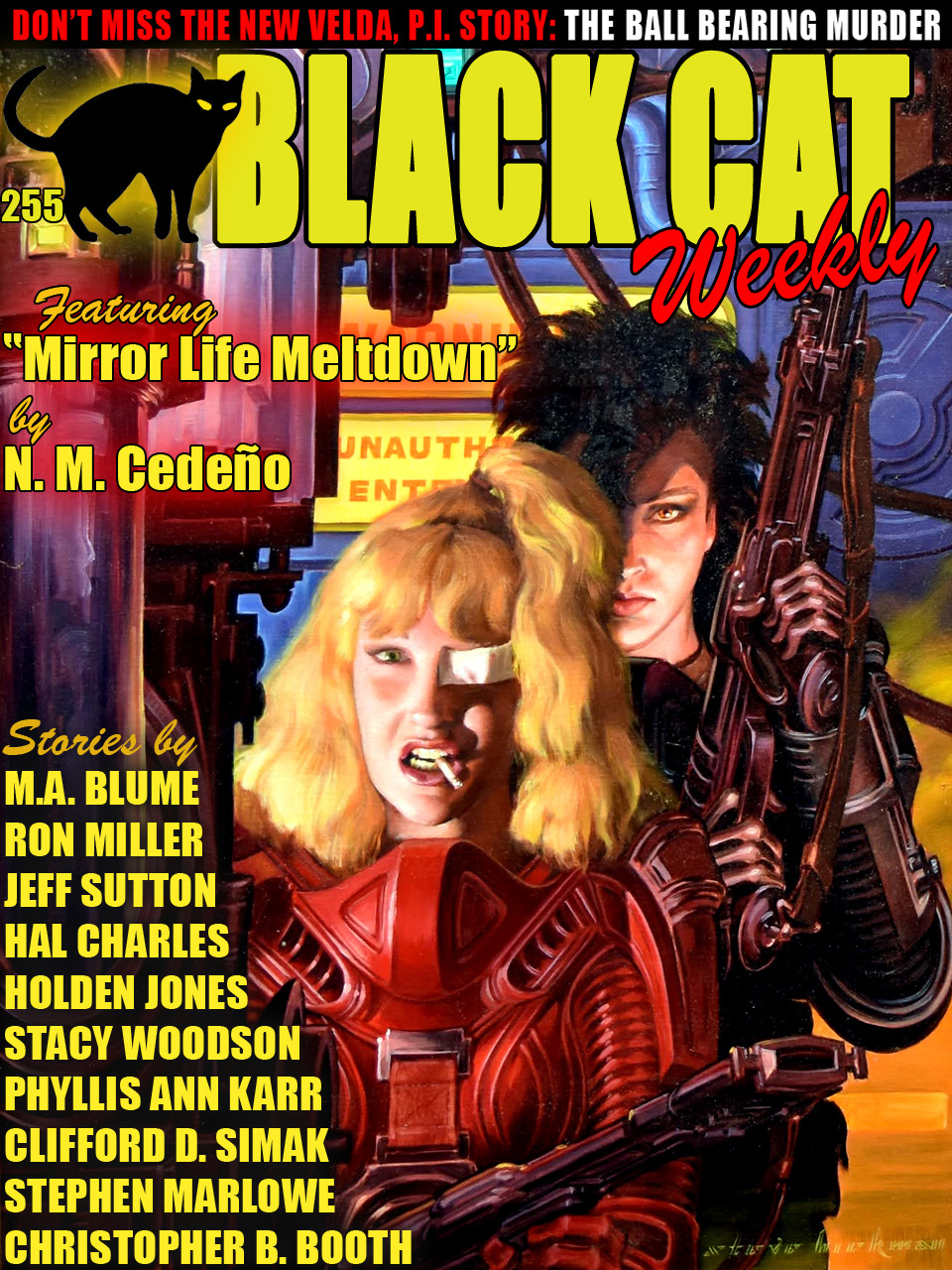
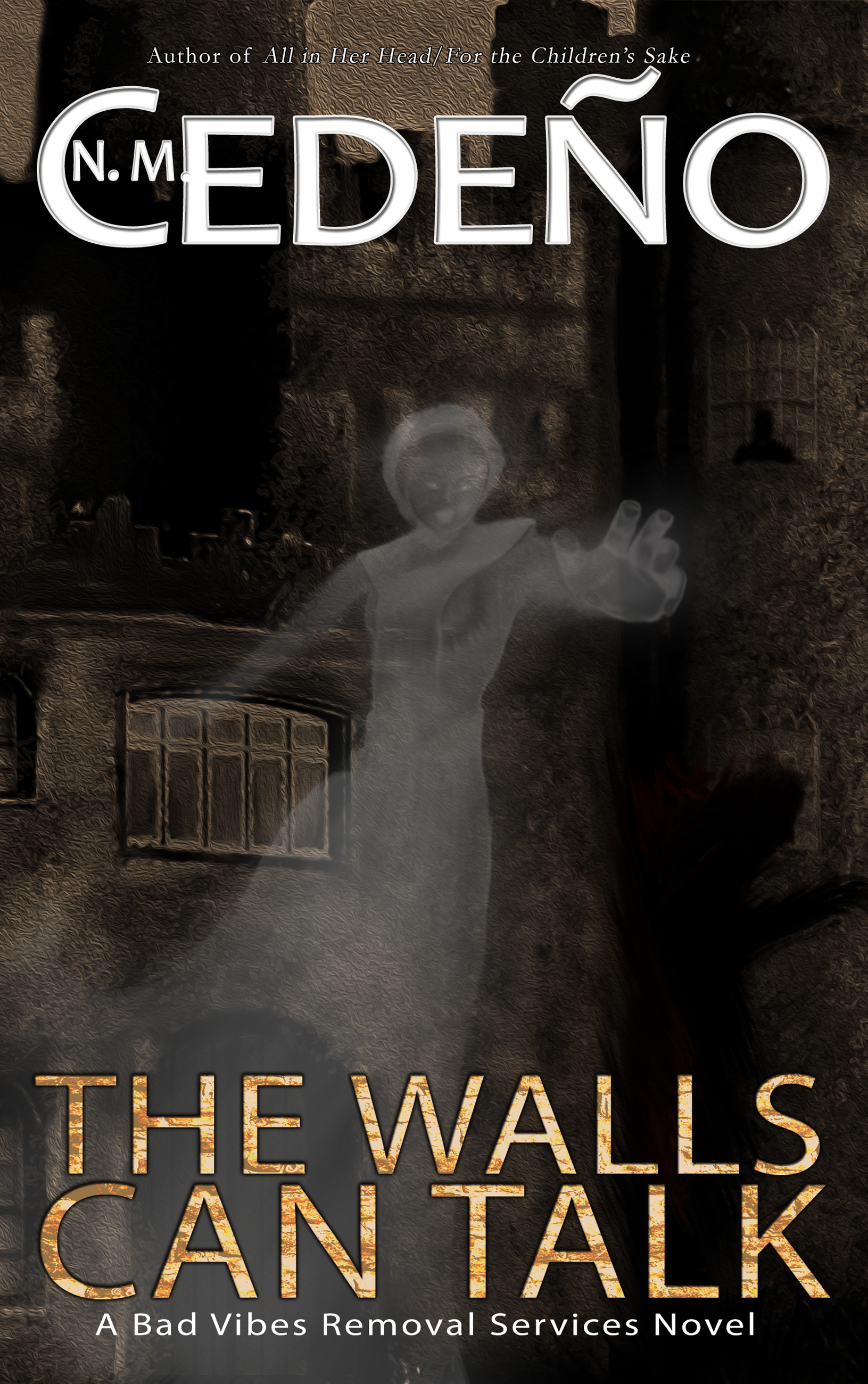
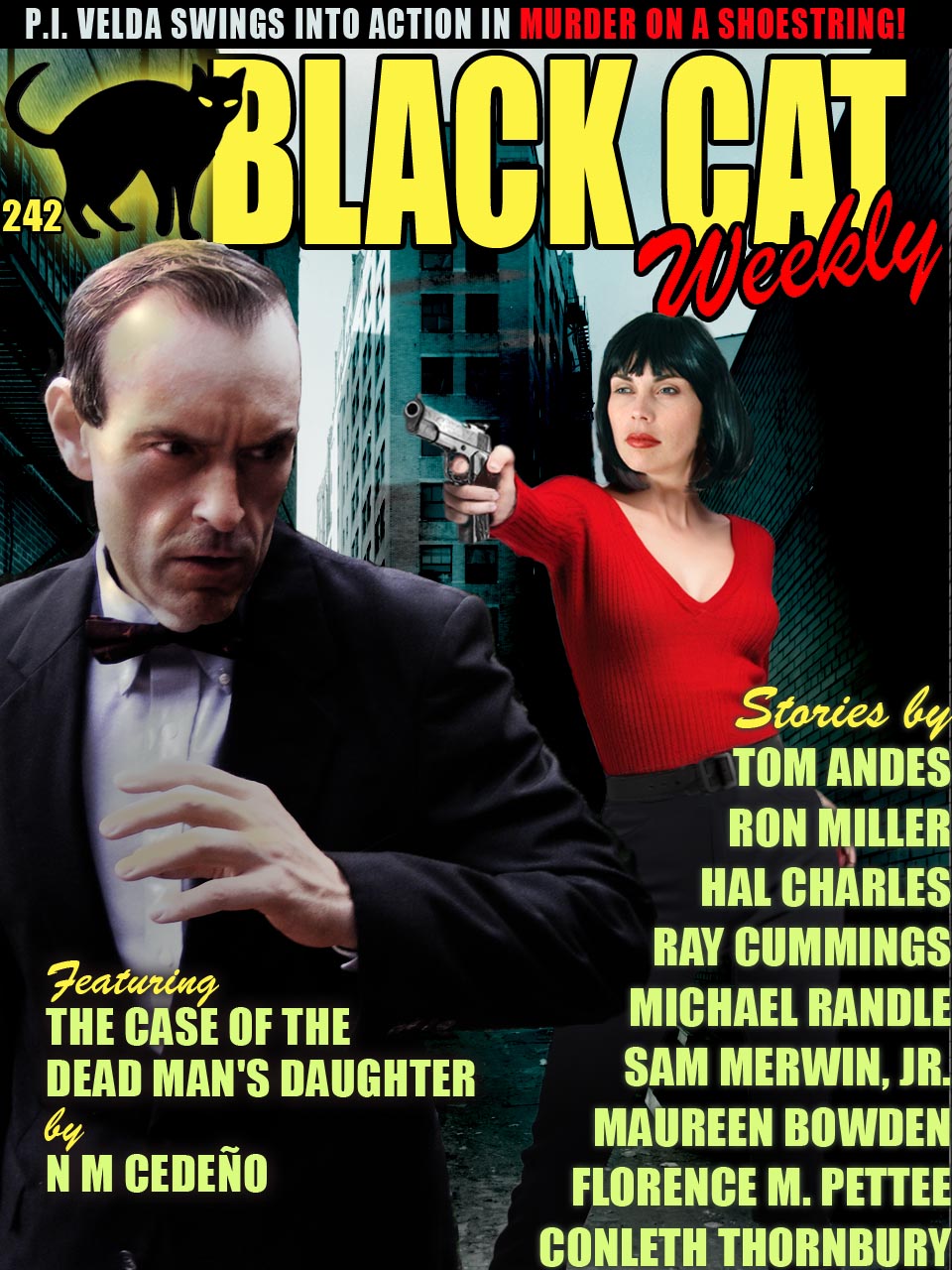
Finally, I have a new story out in Black Cat Weekly #242. “The Case of the Dead Man’s Daughter” features genetic genealogy private detective Maya Laster. I’m thrilled for her story to be featured on the cover of the magazine.

And the Winner is… Still Undecided

By N.M. Cedeño

The finalists for the Derringer Award for Best Anthology have been announced by the Short Mystery Fiction Society. They are…

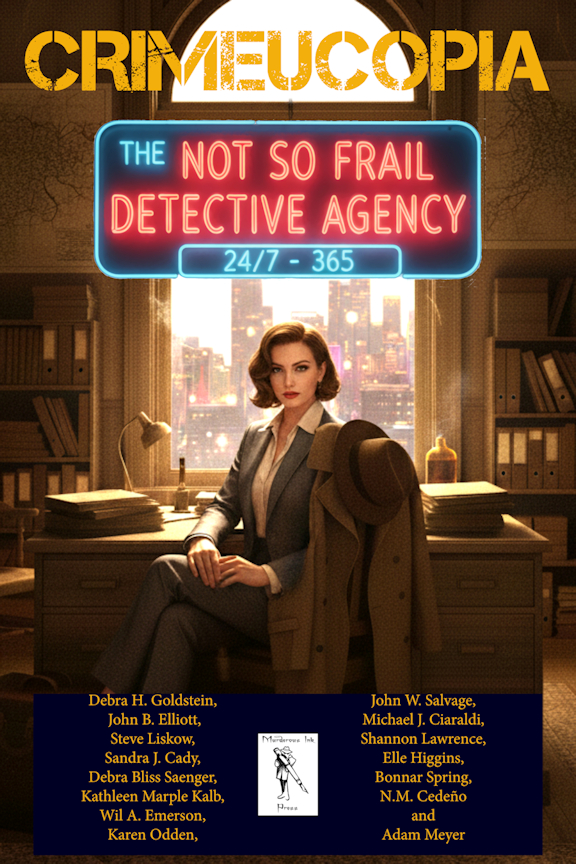
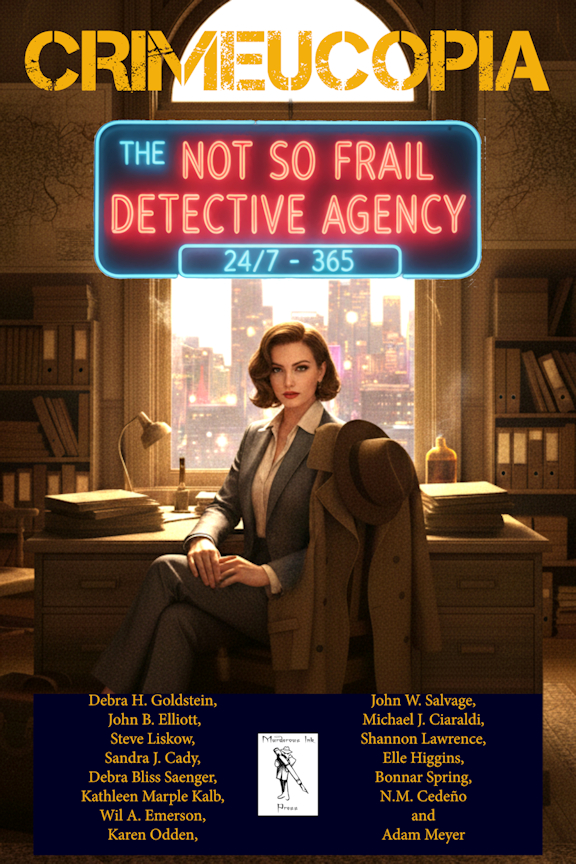
Crimeucopia: The Not So Frail Detective Agency, Edited by John Connor, Murderous Ink Press

Gone Fishin’: Crime Takes a Holiday, The Eighth Guppy Anthology, edited by James M. Jackson released by Wolf’s Echo Press

Hollywood Kills: An Anthology, edited by Adam Meyer & Alan Orloff, Level Best Books – Level Short

Midnight Schemers & Daydream Believers: 22 Stories of Mystery & Suspense: A Superior Shores Anthology, edited by Judy Penz Sheluk, Superior Shores Press

On Fire and Under Water: A Climate Change Crime Fiction Anthology, Edited by Curtis Ippolito, Rock and a Hard Place Press

SoWest: Danger Awaits! A Desert Sleuths Anthology, Edited by Claire A. Murray, Eva Eldridge, Suzanne E. Flaig, Denise Ganley, and Sarah Smith, DS Publishing

Descriptions of each book can be found on the Short Mystery Fiction Society Blog.

At this time, the members of the Short Mystery Fiction Society should be reading these books in preparation for voting for the winner in a few months.

Judges from the SMFS are also reading hundreds of anonymized story submissions in four other categories to come up with the lists of finalists in those categories. The categories are flash fiction (1000 words or less), short story (1001 to 4000 words), long story (4001 to 8000 words), and novelette (8001 to 20,000 words). Finalists in those categories will be announced April 1. Then society members will read all the finalists in order to vote for the winners during the month of April. Winners for all four individual story categories and the anthology category will be announced on May 1.

I have a stake in this vote because I have a story inCrimeucopia: The Not So Frail Detective Agency. My story, “Disappearance of an Easy Lover,” features Maya Laster, a genetic genealogy private investigator. She takes a case that appears to be simple: find out why a girl ghosted a guy. But the answer to the question is far from simple, and Maya ends up traveling all over Texas to solve it. Maya has been featured in three published stories so far. The other two stories, “Disappearance of a Serial Spouse” and “A Matter of Trust,” appeared in Black Cat Weekly issues #79 and #110. Maya is scheduled to make two more appearances soon, one currently without a publication date, and the other scheduled to be published in April if all goes well.

If you missed reading any of my stories that were published in Black Cat Weekly or in the various Crimeucopia anthologies, I have good news. Black Cat Weekly and the Crimeucopia anthologies are available via Hoopla and other library services. I discovered many of my stories were available online at my local library via Hoopla. So, if, like one of my relatives who shall remain nameless, you “don’t want to buy a whole magazine or book just to read my one story,” you can log in to your library and check them out to your personal reading device for free. Then, maybe you’ll discover the value of reading the whole book or magazine!

2025 Wrap Up and Review

By N.M. Cedeño

As many authors have noted in the last few weeks, 2025 wasn’t a great year for the short mystery fiction world. Between controversies over contracts at the major publishers and the dwindling number of markets available for short mysteries, authors have had a lot of reasons to worry. Like others, I had stories left in limbo this year by the sudden closure of a publisher, and I’ve spent an ever-increasing amount of time trying to find places to submit stories. However, I’m going to take a moment to focus on what went well for me in 2025.

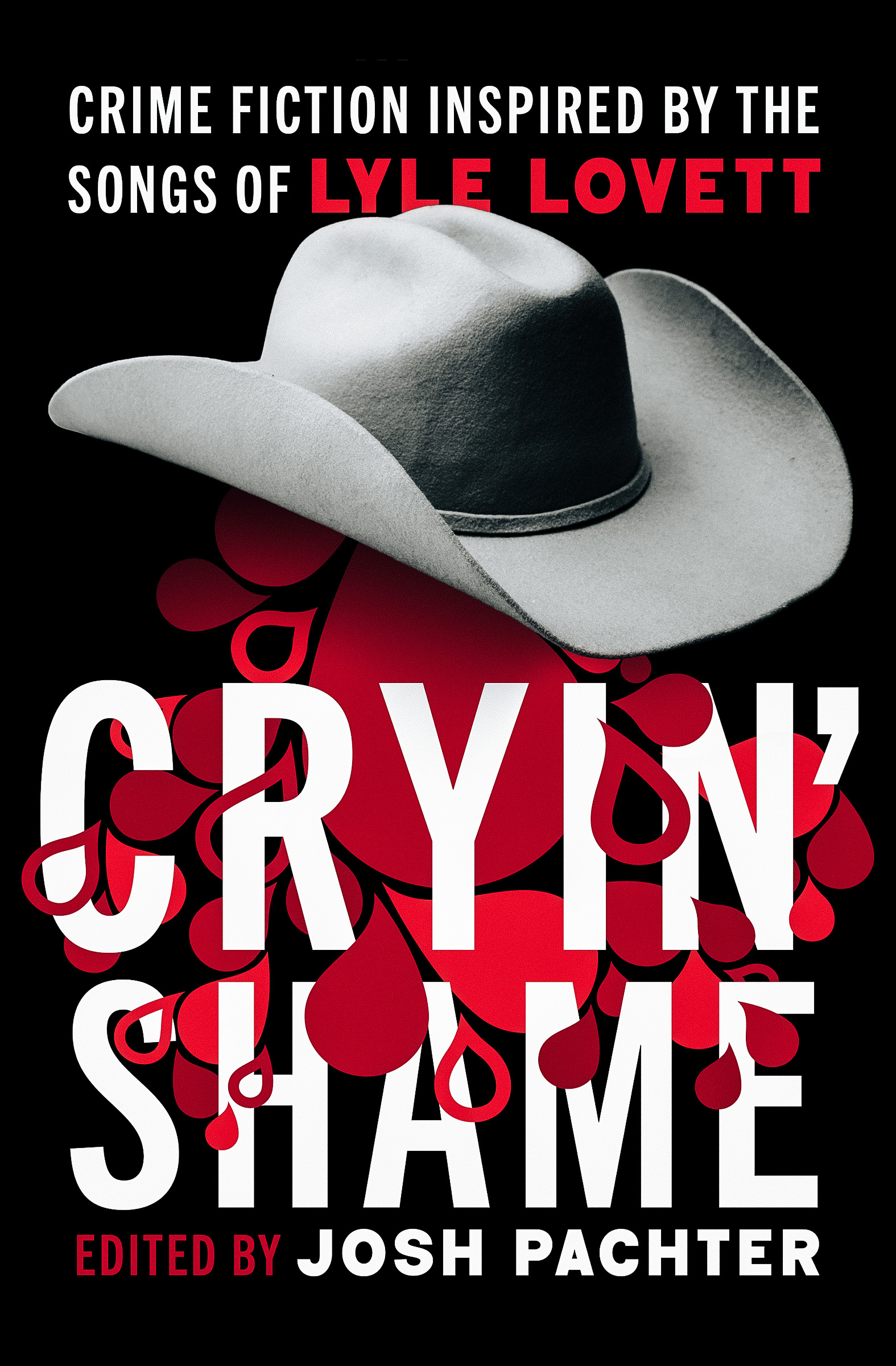
One goal that I set and met in 2025 was participating in a major writing conference.  I attended Bouchercon New Orleans in September, and thoroughly enjoyed it. I planned to meet editors and other short mystery fiction writers in person and I did! I met Robert Lopresti, Daniel and K.T. Bartlett, Bonnar Spring, and Avram Lavinsky. I met Josh Pachter and spoke to Steph Cha and Linda Landrigan. I sat on a panel and discussed authorial voice with Daniel Bartlett, Mark Thielman, Warren Moore, and Carol Orange, with Catherine Tucker moderating. Being a massive introvert, the convention left me on people overload, but it was worth every minute.

I planned to submit at least two stories a month for publication in 2025. I accomplished that goal. I’d hoped to hit three a month, but that was not to be this year. While my submissions remained solid, my productivity dropped. Increasing my output of stories will be a 2026 goal.

In 2025, two of my stories appeared in Crimeucopia anthologies edited by John Connor. The first, “Murder by Alternate Facts,” was published in March in Crimeucopia: Chicka-Chicka Boomba!. The second story, “Disappearance of an Easy Lover,” was published in December in Crimeucopia: The Not So Frail Detective Agency. I ended the year with five additional stories pending publication. While I don’t have firm dates for any of the stories yet, I’m looking forward to most of them coming out in 2026.

2025 brought me one surprise accomplishment! My story “Predators and Prey,” which was published online in 2024 by Rusty Barnes on TOUGH, was selected by Steph Cha as an “Other Distinguished Story of 2024” in the list at the back of this year’s Best American Mystery and Suspense. The anthology came out in October, but I knew my story was on the list since someone forwarded a screenshot to me before I went to Bouchercon. When I spoke to series editor Steph Cha at Bouchercon, she confirmed that my story was on the list, and she remembered it! While it’s gratifying to have anyone remember one of my stories, to have Steph Cha remember it in casual conversation while walking down a hall was particularly pleasing. The story is available online to read here: Predators and Prey on TOUGH.

The end of 2025 also marked the end of the previous group blog to which I belonged. I was happy to receive an invitation to begin posting with the wonderful people here at Austin Mystery Writers. I look forward to writing along side them and learning from them in the coming year.

Happy New Year!