by HELEN CURRIE FOSTER
The great thing about a winter storm? A glut of reading. I took refuge in re-reading the broad swath of Tony Hillerman mysteries. What a writer! And what a setting he creates.
I live just west of Austin, beyond the limestone wall of hills known as the Balcones Escarpment, on the Edwards Plateau—a vast hilly area of fractured porous Cretaceous limestone, full of fossils, and dry, except for its secret springs and precious narrow waterways. This Hill Country provides a sharply different landscape from the forests east of Austin and the lush coastal plain around Houston. Indeed, my college roomie (from Manhattan) famously asked, on her first trip to Texas, “Isn’t it kind of scruffy?”
Maybe, but only from a distance.
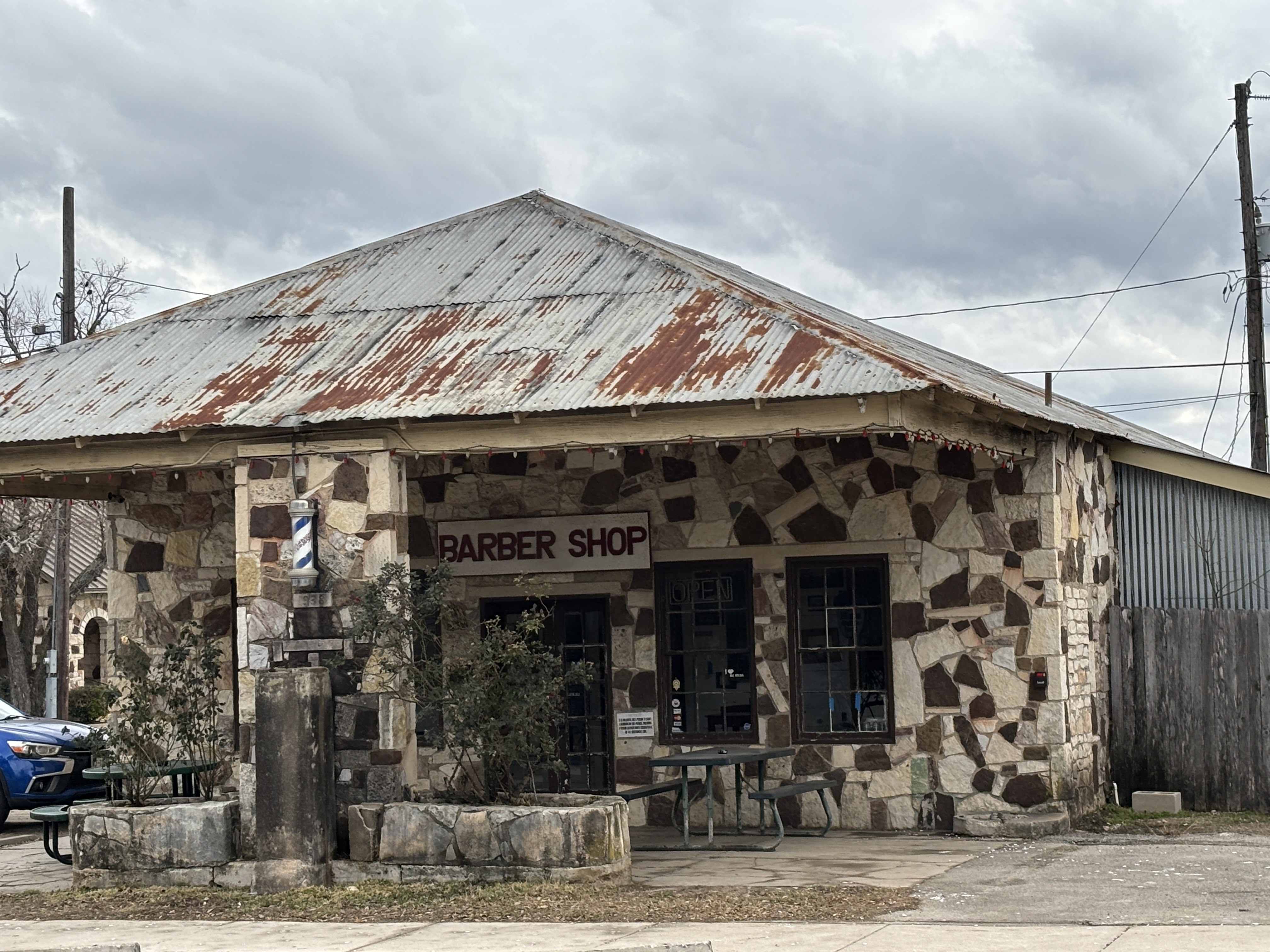
And limestone’s part of our culture and setting. On our dirt road in the country, all the houses are built of limestone and wood—except for one new red brick house that looks out of place. South of us, the old town of Dripping Springs still holds old limestone buildings—as do Blanco and Fredericksburg.
Back to Hillerman. Of course we readers plan to figure out WHO killed the victim and WHEN and HOW. But also, for mystery lovers, setting is key. Hillerman immerses us in the broad landscape his characters Joe Leaphorn and Jim Chee must travel as Navajo Tribal Police officers. Duty leads them not just throughout New Mexico but on into Utah and Arizona, along roads that dwindle into narrow dirt tracks, leading to canyons and cliffs. Leaphorn and Chee are always noticing desert flora—grama grass, buffalo grass, agave and yucca, and cottonwoods along a draw or seep. The sky sets the scene: “The light was turning red. The sun had dipped beneath the western Horizon, and the clouds in the west—dazzling yellow a few moments earlier—were now reflecting scarlet. Soon it would be too dark to see.” The Ghostway, Ch. 8.
And always the weather holds sway—a factor for Jim Chee to consider when driving off-road into a remote canyon: “By the time he reached the graded road leading to the Toadlena boarding school he was weary to the bone, with another thirteen miles through the snow…” (Ch. 23). Sky, weather, plants, sky, cliffs, canyons…all part of the setting. And housing? Hillerman describes the adobe buildings, the circular wood and stone Navajo hogans, the sheep pens, the Hopi cliff dwellings with their squares and kivas, where mystery unfolds. Access to scarce water may mean seeps, springs, buckets.
And as to the questions every mystery poses for the reader—which every reader plans to solve: WHO DID THE MURDER? WHEN? HOW? I loved revisiting Hillerman and searching for the answers. Not infrequently, water plays a role.
Coffee Creek, my made-up Texas town in the Alice MacDonald Greer mystery series, lies atop the Edwards Plateau. The lawyer protagonist, Alice, treasures her small ranch, with its impressive broad-branched live oaks, shallow creek, and scratchy cedar scrub––and her three watchful burros. She re-seeds her pasture with native grasses–buffalo grass and blue grama–and waits with eagle eyes to see the spring swaths of bluebonnets and the first incredibly beautiful prairie celestials. Alice also keeps an eye on water levels in her creek. Flash floods? Or drought? The Hill Country delivers both.
Currently, Barton Springs-Edwards Aquifer Conservation District, which manages groundwater for the Barton Springs segment of the Edwards Aquifer, has declared Stage 3 Drought Conditions for only the second time in its 39-year history. We got a bit of moisture during last week’s Deep Freeze but that may not be enough to avoid Stage 4 drought conditions. https://www.kxan.com/texas-water/texas-water-district-nears-historic-stage-4-emergency-drought-declaration/
In Ghost Justice, Book 10 in the series, Alice’s Coffee Creek clients seek her help opposing a huge proposed concert venue in an area lacking sewers, where concert sewage effluent threatens the town’s water supply. As the frontier adage has it, “Whisky’s for drinking, but water’s for fighting.” Recently a similar actual proposal which could have affected Barton Creek near Dripping Springs was withdrawn after different owners bought the property. And yes, there’s murder, and yes, Alice is determined to solve it.
Water’s key in the Hill Country. To find out what happened in Ghost Justice—WHO killed the original victim, and WHEN AND HOW…and what happened to the perpetrators– you can find the bookonline or at BookPeople in Austin!
Meanwhile, I’m still deeply interested in Texas rock art (rock art is critical in Ghost Cave, Book 1 of my series), especially after the recent thrilling discovery of a 67,800 year old hand print stencil on Muna Island in Sulawesi, Indonesia. https://www.nationalgeographic.com/history/article/worlds-oldest-rock-art-indonesia-hand-stencil
I’m also reading I Heard There Was a Secret Chord (2024) by neuroscientist and musician Kenneth J. Levitin, who’s exploring music and healing. One intriguing fact: of the 4500 species of animals on our planet that sing or hum, humans are the only species that live on the ground. Apparently, all the others live in the water or in trees. Humming! Levitin also notes, “The 60,000-year-old bone flute discovered in the Divje Babe cave near Cerkno, Slovenia, plays a pentatonic scale that would be recognizable by anyone alive today.” Id. At 308.
The human animal—a mystery! With history!

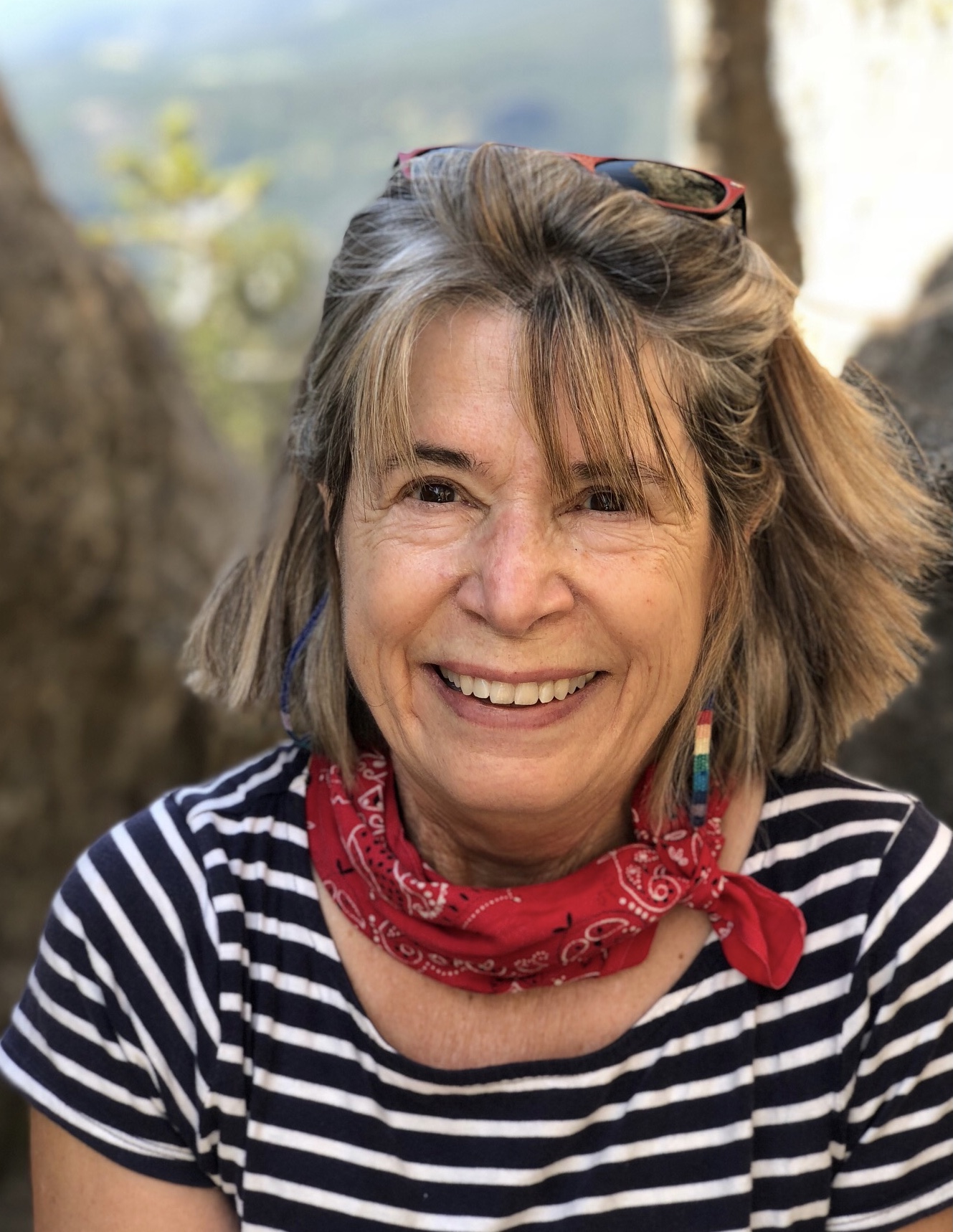
Helen Currie Foster lives and writes the Alice MacDonald Greer Mystery series north of Dripping Springs, Texas, loosely supervised by three burros. She’s drawn to the compelling landscape and quirky characters of the Texas Hill Country. She’s also deeply curious about our human history and how uninvited, the past keeps crashing the party. Follow her at http://www.helencurriefoster.com.
Her books are available online at Amazon and at BookPeople in Austin.






 Austin Mystery Writers