Who Do You Love?

 / AUSTIN MYSTERY WRITERS

Yes, Bo Diddley, https://www.youtube.com/watch?v=e5tSgiB_Tgc but I like the Thorogood version too bit.ly/4gNi38m

I’ve got a secret. So many books I have NOT read. You’d be shocked. No, really. My husband (retired business professor) admires Tolstoy, especially Anna Karenina. He’s read most of Dickens and every word of Moby Dick–several times. When we were dating he bought Baudelaire’s Les Fleurs du Mal (English translation) because he’d seen it on my shelf. He knows I’m hung up on Virginia Woolf; he’s read Three Guineas. He’s read reams of history—shelves and shelves, plus tome after tome on Richard Feynman and everything that’s going on with astronomy and quantum physics. He forges onward, aiming for the stars at the edge of the universe.

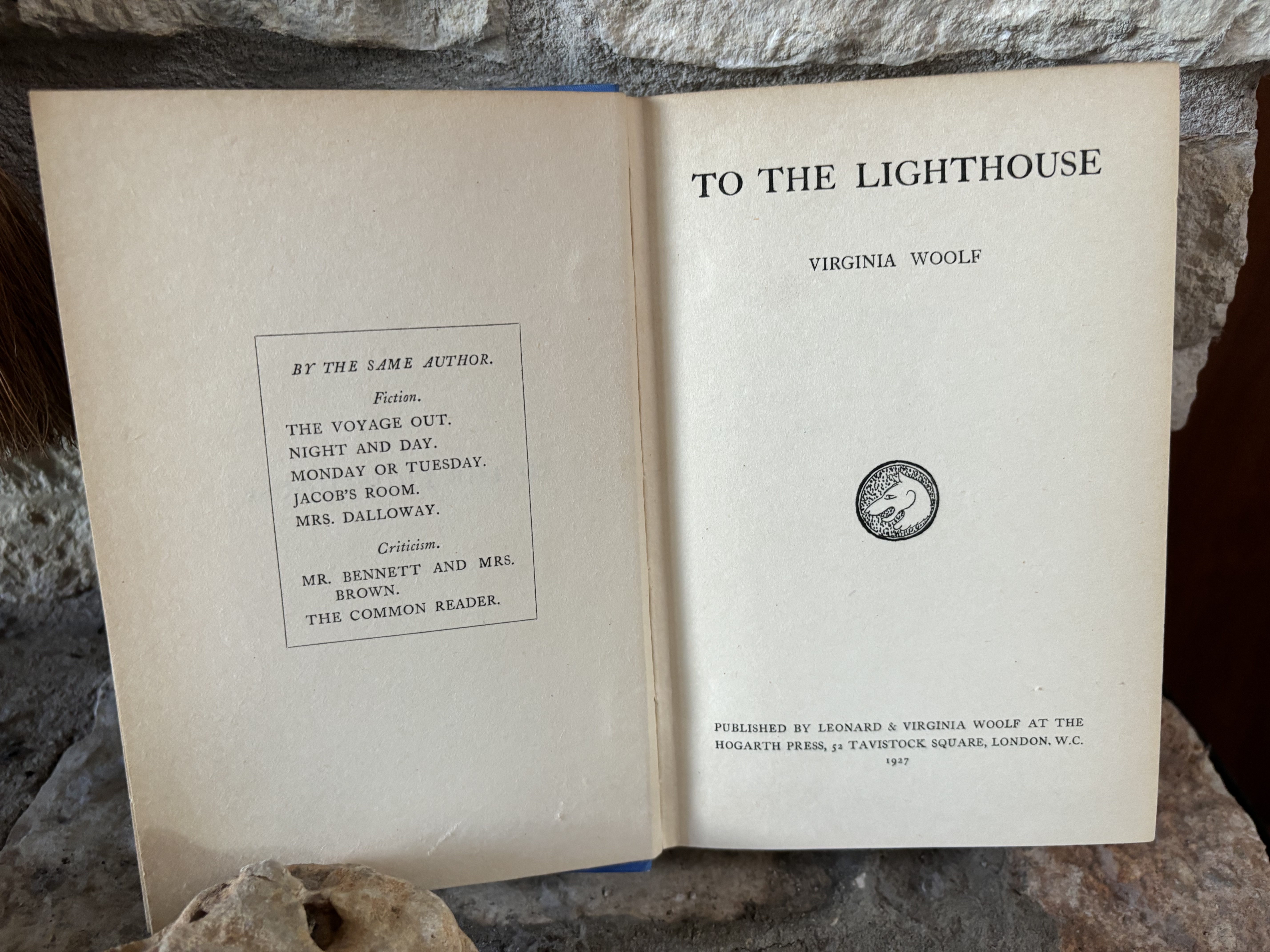
I, however, the English major, the mystery writer? I who should have read All The Books? I confess a powerful secret vice: rereading my favorites, particularly Virginia Woolf. Every year, To the Lighthouse sneaks back into my hand. Why? Why not concentrate only on the new novels, the best-sellers?

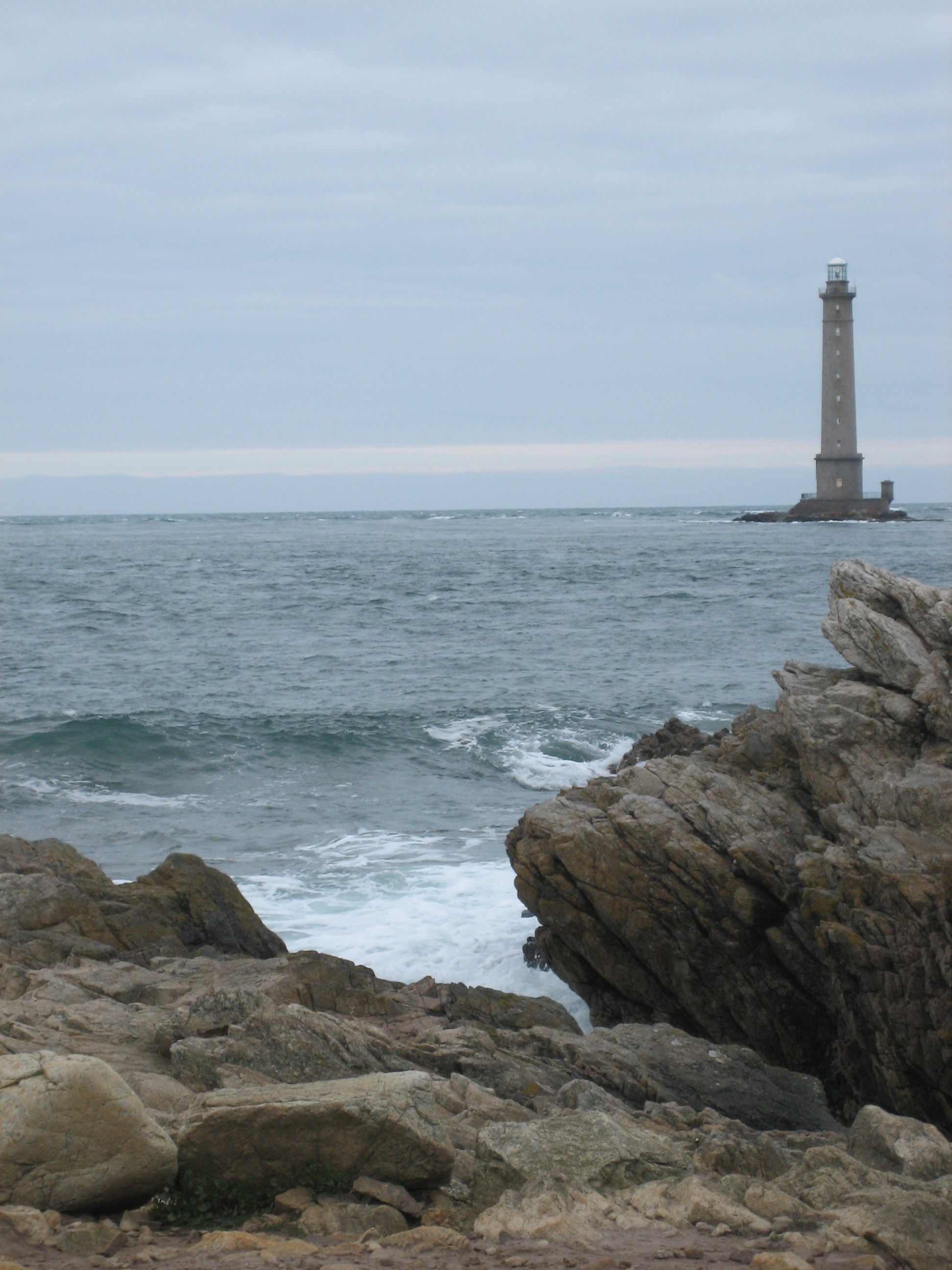
Because I have to reread that moment in Part III when, years later, after world war and illness have claimed her beloved friend Mrs. Ramsay and so many of the Ramsay family, the spinster Lily Briscoe returns to the Ramsays’ summer home on the Isle of Skye. https://bit.ly/3zHF77w

Out on the lawn, facing the old white house, she sets up again the unfinished oil painting she began all those years earlier—the painting that had posed such a challenge in Part I as her mind reverberated with the repeated mantra from Professor Ramsay’s obnoxious male philosophy student: “Women can’t paint, can’t write.” During the long day, full of changing light on the sea, and repeated interruptions by other characters, Woolf returns us over and over to Lily, staring at her painting, seeing again the remembered shapes of Mrs. Ramsay and her son James all those years ago. And her artistic effort? Here’s the end of the book:

“It would be hung in the attics, she thought; it would be destroyed. But what did that matter? She asked herself, taking up her brush again. She looked at the steps; they were empty; she looked at her canvas; it was blurred. With a sudden intensity, as if she saw it clear for a second, she drew a line there, in the centre. It was done; it was finished. Yes, she thought, laying down her brush in extreme fatigue, I have had my vision.”

Why do I return to that? So much of the book is touching, gripping, and even hilarious, including the thoughts of Professor Ramsay, a philosophy professor who’s both overbearing and insecure. He delights in his own “splendid mind”: “For if thought is like the keyboard of a piano divided into so many notes, or like the alphabet is ranged in twenty-six letters all in order, then his splendid mind had no difficulty in running over those letters one by one, firmly and accurately, until it had reached, say, the letter Q.  …Very few people in the whole of England ever reach Q.” Then he falters. “But after Q? What comes next? After Q there are a number of letters the last of which is scarcely visible to mortal eyes, but glimmers red in the distance.”  He braces himself, clenches himself. “Q he was sure of. Q he could demonstrate. If Q then is Q—R—” Then “he heard people saying—he was a failure—that R was beyond him. He would never reach R.”  

What an image—the alphabet, R glimmering red in the distance, then fading, fading!  And then of course there’s the famous dinner party featuring Mrs. Ramsay’s boeuf en daube. Surely, just reading this, you smell the simmered sauce, the wine, the bay leaf? The thought crossed my mind that if Professor Ramsay had been offered a sip of the Talisker malt whiskey for which Skye is famous, he’d have felt a bit better. https://www.malts.com/en/talisker (The distillery gives a great tour, too.)

But Lily’s painting? This spinster friend of Mrs. Ramsay, with her amateur brushstrokes? The tale of Lily’s painting, her decision and indecision as she holds her brush, grabbed me all those years ago, and refuses to let go. The same question must hit every musician—“Is this the last note? Did that chord resolve properly? Does it make you feel beauty and longing, or does it just hang there, unfinished?”  Every cook: “A pinch of salt? What about some coriander? To garlic or not to garlic?” Every filmmaker: “Do they walk into the sunset? Or fade out? Or kiss?” And every writer? “Is this character real? Is this setting compelling? Does the plot work? And will anyone care?”

Lily’s painting embodies desire to capture memory, resistance, light and color, and more than that. Isn’t it  her experience? A moment of creation, of recapture, of making a line on a canvas and then feeling completion?  She’s had her vision. If you know of another book where we readers feel such a moment of revelation from the frustrating process of creation—let me know.

Oh, don’t get me wrong. My Kindle received today the brand-new Martin Walker (A Grave in the Woods) and I can’t wait. bit.ly/3Xzqawt Like the other women in his (busy) life,  I love to accompany Inspector Bruno, in his fictional Perigord village of St. Denis, partly because of his cooking. Thank you, Martin Walker, for describing the ham hanging from the kitchen ceiling, the cheerful chickens, and the paté with its duck fat on top, waiting in Bruno’s fridge, and the way Bruno sings La Marseillaise to count how long until he must sizzle the foie de gras before he deglazes the pan. I look forward to new recipes and to finding out who’s buried in the woods.

And a sad farewell: I’ve decided to forgive Elly Griffiths for saying goodbye to Ruth Galloway in her last book in that series, The Last Remains, even though I have loved watching Ruth clamber down into a trench to dig up ancient bones in East Anglia. amzn.to/3ZxU5rv I’ve also savored every page of Alan Bradley’s latest (last?) Flavia de Luce – What Time the Sexton’s Spade Doth Rust – as he allows this delightful protagonist to feel herself beginning to grow up—not too much, not too fast, just enough. https://bit.ly/4dla13A 

And I did just finish We Solve Murders, Richard Osman’s first book in a new series. bit.ly/4ezjIwh  Have to confess I found myself missing Joyce, Ibrahim, Ron, Elizabeth and the other characters of his Thursday Murder Club books. My strong belief is I must careabout a mystery protagonist and so far I haven’t completely bought in to his new cadre–though I do like Steve. We’ll see.  I’d be interested in your reactions.

So that’s four new mysteries, just in September. I’m also rereading Virginia Woolf’s The Waves, and finding even more, yes, even more to love about how she brings those characters to vivid life, and how she describes the way we humans think and react to each other.

And out here with the three burros I’m writing the tenth in my Coffee Creek series featuring Alice MacDonald Greer and the gorgeous landscape of the Texas Hill Country, with its pristine (well, so far) bluegreen streams. Water’s for fighting over, right?

But when the going gets tough, you may find me sidling back to the revolving bookcase, on the shelf where Virginia Woolf and all the old faves hang out.

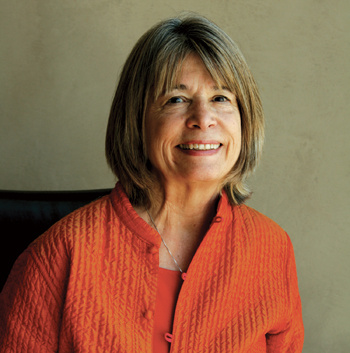
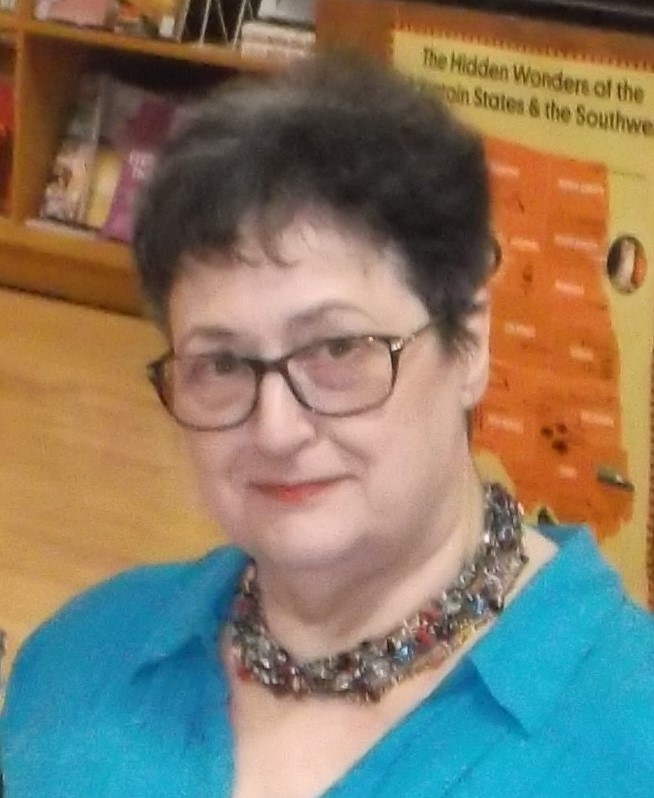
Helen Currie Foster lives and writes north of Dripping Springs, Texas, loosely supervised by three burros. She’s drawn to the compelling landscape and quirky characters of the Texas Hill Country. She’s also deeply curious about our human history and how, uninvited, the past keeps crashing the party. Latest in her award-winning series: Ghost Bones.

Follow her on http://www.facebook.com/helencurriefoster/ and http://www.helencurriefoster.com

Share this:

Who Do You Love?

Yes, Bo Diddley, https://www.youtube.com/watch?v=e5tSgiB_Tgc but I like the Thorogood version too bit.ly/4gNi38m

I’ve got a secret. So many books I have NOT read. You’d be shocked. No, really. My husband (retired business professor) admires Tolstoy, especially Anna Karenina. He’s read most of Dickens and every word of Moby Dick–several times. When we were dating he bought Baudelaire’s Les Fleurs du Mal (English translation) because he’d seen it on my shelf. He knows I’m hung up on Virginia Woolf; he’s read Three Guineas. He’s read reams of history—shelves and shelves, plus tome after tome on Richard Feynman and everything that’s going on with astronomy and quantum physics. He forges onward, aiming for the stars at the edge of the universe.

I, however, the English major, the mystery writer? I who should have read All The Books? I confess a powerful secret vice: rereading my favorites, particularly Virginia Woolf. Every year, To the Lighthouse sneaks back into my hand. Why? Why not concentrate only on the new novels, the best-sellers?

Because I have to reread that moment in Part III when, years later, after world war and illness have claimed her beloved friend Mrs. Ramsay and so many of the Ramsay family, the spinster Lily Briscoe returns to the Ramsays’ summer home on the Isle of Skye. https://bit.ly/3zHF77w

Out on the lawn, facing the old white house, she sets up again the unfinished oil painting she began all those years earlier—the painting that had posed such a challenge in Part I as her mind reverberated with the repeated mantra from Professor Ramsay’s obnoxious male philosophy student: “Women can’t paint, can’t write.” During the long day, full of changing light on the sea, and repeated interruptions by other characters, Woolf returns us over and over to Lily, staring at her painting, seeing again the remembered shapes of Mrs. Ramsay and her son James all those years ago. And her artistic effort? Here’s the end of the book:

“It would be hung in the attics, she thought; it would be destroyed. But what did that matter? She asked herself, taking up her brush again. She looked at the steps; they were empty; she looked at her canvas; it was blurred. With a sudden intensity, as if she saw it clear for a second, she drew a line there, in the centre. It was done; it was finished. Yes, she thought, laying down her brush in extreme fatigue, I have had my vision.”

Why do I return to that? So much of the book is touching, gripping, and even hilarious, including the thoughts of Professor Ramsay, a philosophy professor who’s both overbearing and insecure. He delights in his own “splendid mind”: “For if thought is like the keyboard of a piano divided into so many notes, or like the alphabet is ranged in twenty-six letters all in order, then his splendid mind had no difficulty in running over those letters one by one, firmly and accurately, until it had reached, say, the letter Q.  …Very few people in the whole of England ever reach Q.” Then he falters. “But after Q? What comes next? After Q there are a number of letters the last of which is scarcely visible to mortal eyes, but glimmers red in the distance.”  He braces himself, clenches himself. “Q he was sure of. Q he could demonstrate. If Q then is Q—R Then “he heard people saying—he was a failure—that R was beyond him. He would never reach R.”  

What an image—the alphabet, R glimmering red in the distance, then fading, fading!  And then of course there’s the famous dinner party featuring Mrs. Ramsay’s boeuf en daube. Surely, just reading this, you smell the simmered sauce, the wine, the bay leaf? The thought crossed my mind that if Professor Ramsay had been offered a sip of the Talisker malt whiskey for which Skye is famous, he’d have felt a bit better. https://www.malts.com/en/talisker (The distillery gives a great tour, too.)

But Lily’s painting? This spinster friend of Mrs. Ramsay, with her amateur brushstrokes? The tale of Lily’s painting, her decision and indecision as she holds her brush, grabbed me all those years ago, and refuses to let go. The same question must hit every musician—“Is this the last note? Did that chord resolve properly? Does it make you feel beauty and longing, or does it just hang there, unfinished?”  Every cook: “A pinch of salt? What about some coriander? To garlic or not to garlic?” Every filmmaker: “Do they walk into the sunset? Or fade out? Or kiss?” And every writer? “Is this character real? Is this setting compelling? Does the plot work? And will anyone care?”

Lily’s painting embodies desire to capture memory, resistance, light and color, and more than that. Isn’t it  her experience? A moment of creation, of recapture, of making a line on a canvas and then feeling completion?  She’s had her vision. If you know of another book where we readers feel such a moment of revelation from the frustrating process of creation—let me know.

Oh, don’t get me wrong. My Kindle received today the brand-new Martin Walker (A Grave in the Woods) and I can’t wait. bit.ly/3Xzqawt Like the other women in his (busy) life,  I love to accompany Inspector Bruno, in his fictional Perigord village of St. Denis, partly because of his cooking. Thank you, Martin Walker, for describing the ham hanging from the kitchen ceiling, the cheerful chickens, and the paté with its duck fat on top, waiting in Bruno’s fridge, and the way Bruno sings La Marseillaise to count how long until he must sizzle the foie de gras before he deglazes the pan. I look forward to new recipes and to finding out who’s buried in the woods.

And a sad farewell: I’ve decided to forgive Elly Griffiths for saying goodbye to Ruth Galloway in her last book in that series, The Last Remains, even though I have loved watching Ruth clamber down into a trench to dig up ancient bones in East Anglia. amzn.to/3ZxU5rv I’ve also savored every page of Alan Bradley’s latest (last?) Flavia de Luce – What Time the Sexton’s Spade Doth Rust – as he allows this delightful protagonist to feel herself beginning to grow up—not too much, not too fast, just enough. https://bit.ly/4dla13A 

And I did just finish We Solve Murders, Richard Osman’s first book in a new series. bit.ly/4ezjIwh  Have to confess I found myself missing Joyce, Ibrahim, Ron, Elizabeth and the other characters of his Thursday Murder Club books. My strong belief is I must care about a mystery protagonist and so far I haven’t completely bought in to his new cadre–though I do like Steve. We’ll see.  I’d be interested in your reactions.

So that’s four new mysteries, just in September. I’m also rereading Virginia Woolf’s The Waves, and finding even more, yes, even more to love about how she brings those characters to vivid life, and how she describes the way we humans think and react to each other.

And out here with the three burros I’m writing the tenth in my Coffee Creek series featuring Alice MacDonald Greer and the gorgeous landscape of the Texas Hill Country, with its pristine (well, so far) bluegreen streams. Water’s for fighting over, right?

But when the going gets tough, you may find me sidling back to the revolving bookcase, on the shelf where Virginia Woolf and all the old faves hang out.

Helen Currie Foster lives and writes north of Dripping Springs, Texas, loosely supervised by three burros. She’s drawn to the compelling landscape and quirky characters of the Texas Hill Country. She’s also deeply curious about our human history and how, uninvited, the past keeps crashing the party. Latest in her award-winning series: Ghost Bones.

Follow her on http://www.facebook.com/helencurriefoster/ and http://www.helencurriefoster.com

A Mind Unhinged


Posted by Kathy Waller

So you start writing your post about the incomparable Josephine Tey’s mystery novels two weeks before it’s due but don’t finish, and then you forget, and a colleague reminds you, but the piece refuses to come together, and the day it’s due, it’s still an embarrassment, and the next day it’s not much better, and you decide, Oh heck, at this point what’s one more day? and you go to bed,
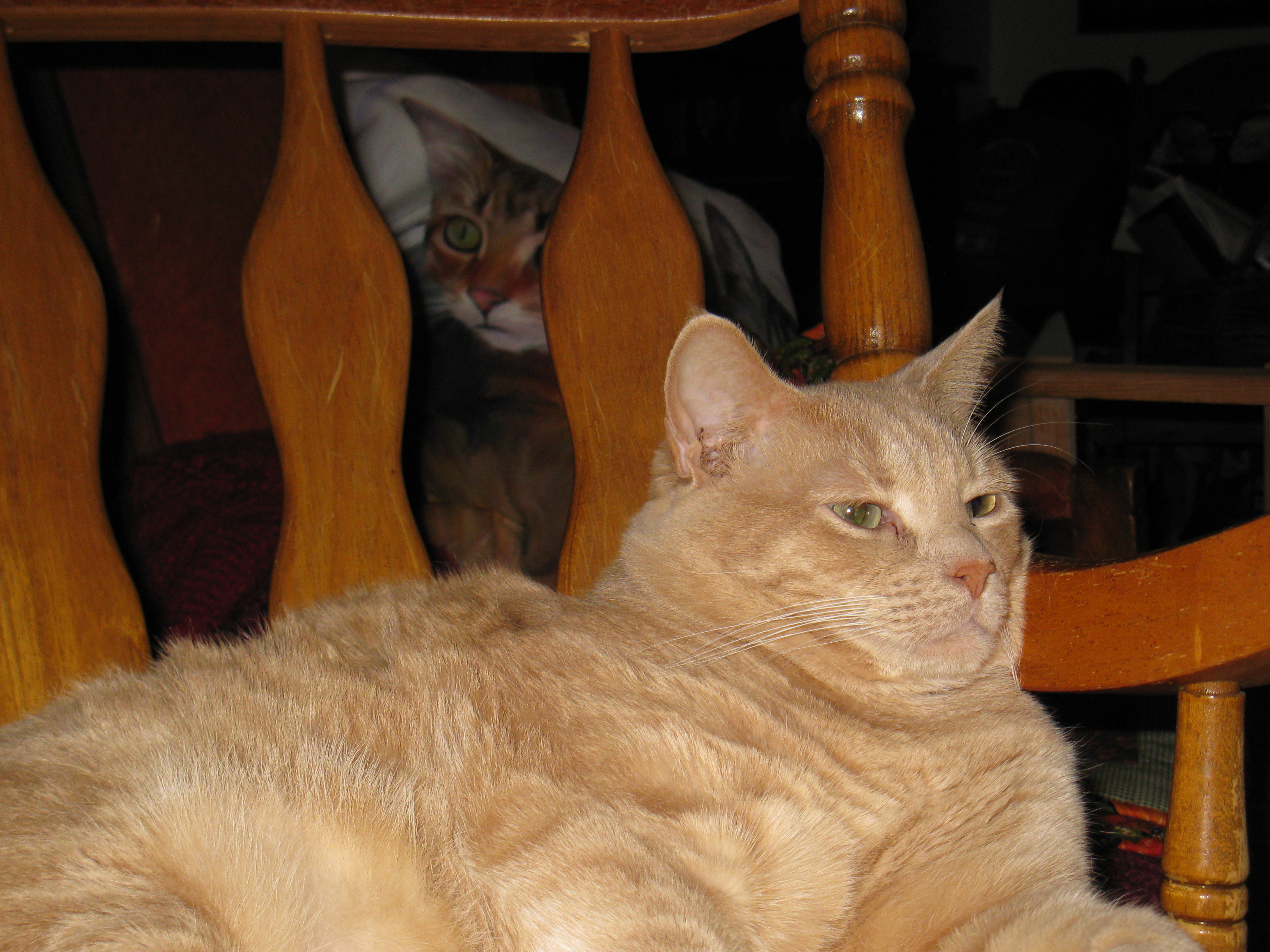
and in the middle of the night you wake to find twenty pounds of cat using you as a mattress, and you know you might as well surrender, because getting him off is like moving Jello with your bare hands,

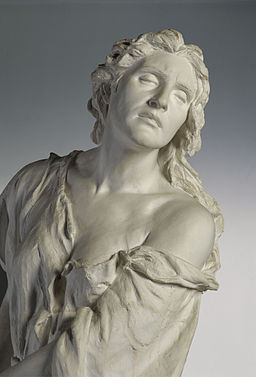
Elisabet Ney: Lady Macbeth, Detail

Elisabet Ney: Lady Macbeth, Detail (Photo credit: Wikipedia) Attribution: Ingrid Fisch at the German language Wikipedia.  GNU_Free_Documentation_License

so you lie there staring at what would be the ceiling if you could see it, and you think, Macbeth doth murder sleep…. Macbeth shall sleep no more,

and then you think about Louisa May Alcott writing, She is too fond of books, and it has turned her brain,

and you realize your own brain has not only turned, but has possibly come completely unhinged.

And you can’t get back to sleep, so you lie there thinking, Books, books, books. Strings and strings of words, words, words. Why do we write them, why do we read them? What are they all for?

And you remember when you were two years old, and you parroted, from memory, because you’d heard it so many times,
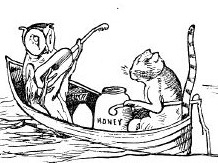
The owl and the pussycat went to sea in a beautiful pea green boat,

because happiness was rhythm and rime.

And when you were five and your playmate didn’t want to hear you read “Angus and the Cat,” and you made her sit still and listen anyway.

And when you were sixteen and so happy all you could think was, O world, I cannot hold thee close enough!, and you didn’t know who wrote it but you remembered the line from a Kathy Martin book you got for Christmas when you were ten.

And when you were tramping along down by the river and a narrow fellow in the grass slithered by too close, and you felt a tighter breathing, and zero at the bone.

And when you woke early to a rosy-fingered dawn and thought

By Dana Ross Martin, (CC BY-NC-ND 2.0), via flickr

By Dana Ross Martin, (CC BY-NC-ND 2.0)

I’ll tell you how the sun rose,
A ribbon at a time,
The steeples swam in Amethyst
The news, like Squirrels, ran –
The Hills untied their Bonnets –

And when you saw cruelty and injustice, and you remembered, Perfect love casts out fear, and knew fear rather than hate is the source of inhumanity, and love, the cure.

And when your father died unexpectedly, and you foresaw new responsibilities, and you remembered,

We never know how high we are
Till we are called to rise.

And when your mother died, and you thought,

Oh, if instead she’d left to me
The thing she took into the grave!-
That courage like a rock, which she
Has no more need of, and I have.

Fentress United Methodist Church. © Kathy Waller

Fentress United Methodist Church. © Kathy Waller

And at church the day after your father’s funeral, when your cousins, who were officially middle-aged and should have known how to behave, sat on the front row and dropped a hymnbook, and something stuck you in the side and you realized that when you mended a seam in your dress that morning you left the needle just hanging there and you were in danger of being punctured at every move, and somehow everything the minister said struck you as funny, and the whole family chose to displace stress by laughing throughout the service, and you were grateful for Mark Twain’s observations that

Laughter which cannot be suppressed is catching. Sooner or later it washes away our defences, and undermines our dignity, and we join in it … we have to join in, there is no help for it,

and that, 

Against the assault of Laughter nothing can stand.

And when you fell in love and married and said with the poet, My beloved is mine and I am his.
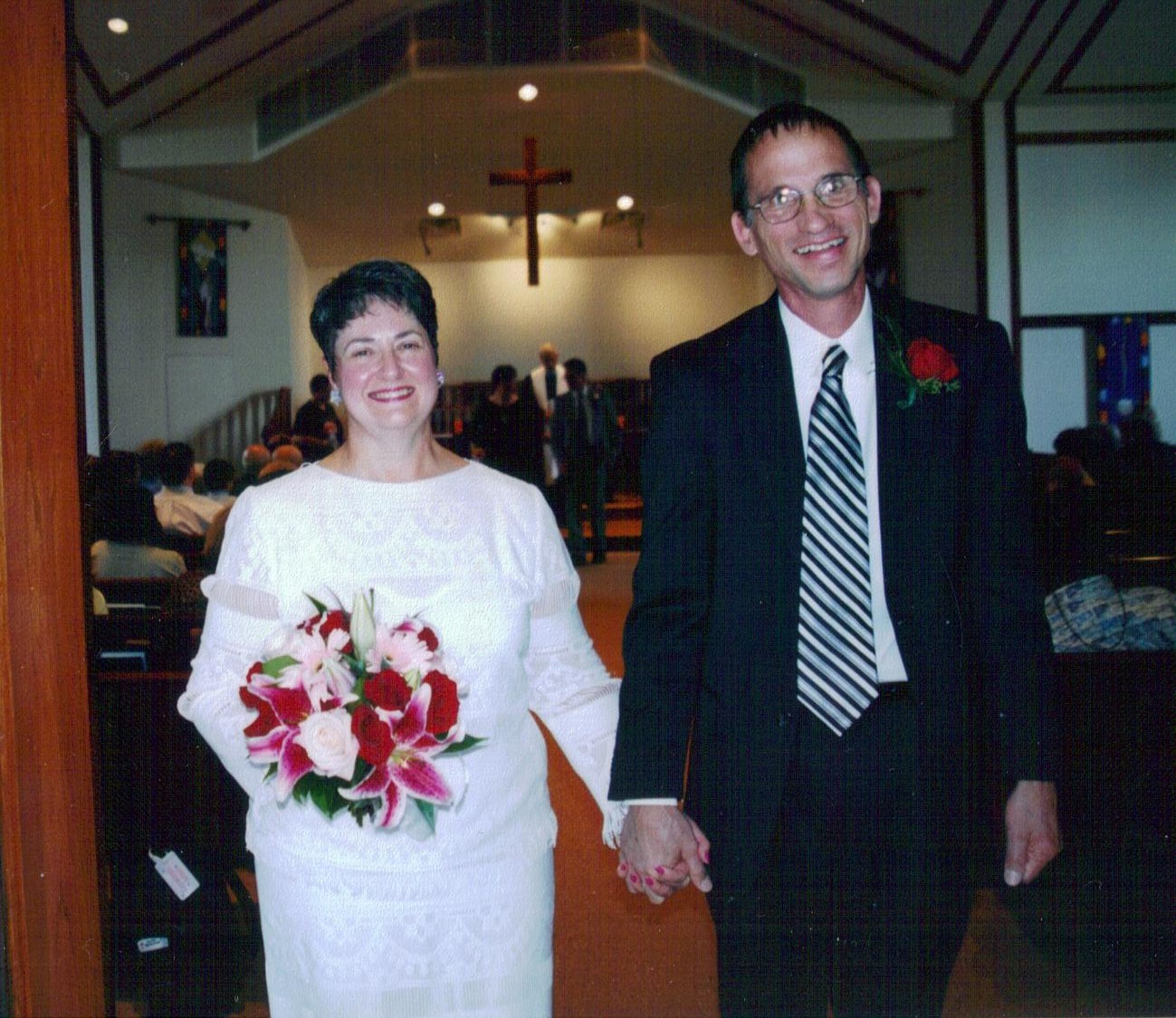
And when, before you walked down the aisle, you handed a bridesmaid a slip of paper on which you’d written, Fourscooooorrrrrrre…, so that while you said, “I do,” she would be thinking of Mayor Shinn’s repeated attempts to recite the Gettysburg Address at River City’s July 4th celebration, and would be trying so hard not to laugh that she would forget to cry.

And when your friend died before you were ready and left an unimaginable void, and life was unfair, and you remembered that nine-year-old Leslie fell and died trying to reach the imaginary kingdom of Terabithia, and left Jess to grieve but also to pass on the love she’d shown him.

And when the doctor said you have an illness and the outlook isn’t good, and you thought of Dr. Bernie Siegal’s writing, Do not accept that you must die in three weeks or six months because someone’s statistics say you will… Individuals are not statistics, but you also remembered what Hamlet says to Horatio just before his duel with Laertes,

There’s a special providence in the fall of a sparrow. If it be now, ’tis not to come. If it be not to come, it will be now. If it be not now, yet it will come—the readiness is all.

And by the time you’ve thought all that, you’ve come back to what you knew all along, that books exist for pleasure, for joy, for consolation and comfort, for courage, for showing us that others have been here before, have seen what we see, felt what we feel, shared needs and wants and dreams we think belong only to us, that

Photograph of Helen Keller at age 8 with her t...

Photograph of Helen Keller at age 8 with her tutor Anne Sullivan on vacation in Brewster, Cape Cod, Massachusetts (Photo credit: Wikipedia)

everything the earth is full of… everything on it that’s ours for a wink and it’s gone, and what we are on it, the—light we bring to it and leave behind in—words, why, you can see five thousand years back in a light of words, everything we feel, think, know—and share, in words, so not a soul is in darkness, or done with, even in the grave.

And about the time you have settled the question to your satisfaction, the twenty pounds of Jello slides off, and you turn over, and he stretches out and leans so firmly against your back that you end up wedged between him and your husband, who is now clinging to the edge of  the bed, as sound asleep as the Jello is, and as you’re considering your options, you think,

The Owl and the Pussy-cat went to sea
   In a beautiful pea-green boat,
They took some honey, and plenty of money,
   Wrapped up in a five-pound note.
The Owl looked up to the stars above,
   And sang to a small guitar…

and by the time the Pussycat and the Elegant Fowl have been married by the Turkey who lives on the hill, and have eaten their wedding breakfast with a runcible spoon, and are dancing by the light of the moon, the moon, you’ve decided that a turned brain has its advantages, and that re-hinging will never be an option.

***

20 pounds of cat. © Kathy Waller

20 pounds of cat. © Kathy Waller

***

Sources:

http://nfs.sparknotes.com/macbeth/page_58.html
https://www.goodreads.com/author/quotes/1315.Louisa_May_Alcott
http://www.poetryfoundation.org/poem/171941
http://www.vintagechildrensbooksmykidloves.com/2009/06/angus-and-cat.html
http://www.poetryfoundation.org/poem/182477
https://en.wikipedia.org/wiki/Epithets_in_Homer
http://biblehub.com/1_john/4-18.htm
http://writersalmanac.publicradio.org/index.php?date=2002/10/15
http://www.twainquotes.com/Laughter.html
http://biblehub.com/songs/2-16.htm
https://en.wikipedia.org/wiki/The_Music_Man_(1962_film)
https://en.wikipedia.org/wiki/Bridge_to_Terabithia_(novel)
http://www.shareguide.com/Siegel.html
http://nfs.sparknotes.com/hamlet/page_320.html
http://www.shorewood.k12.wi.us/page.cfm?p=3642

***

“A Mind Unhinged” appeared on Austin Mystery Writers on February 25, 2016.

***

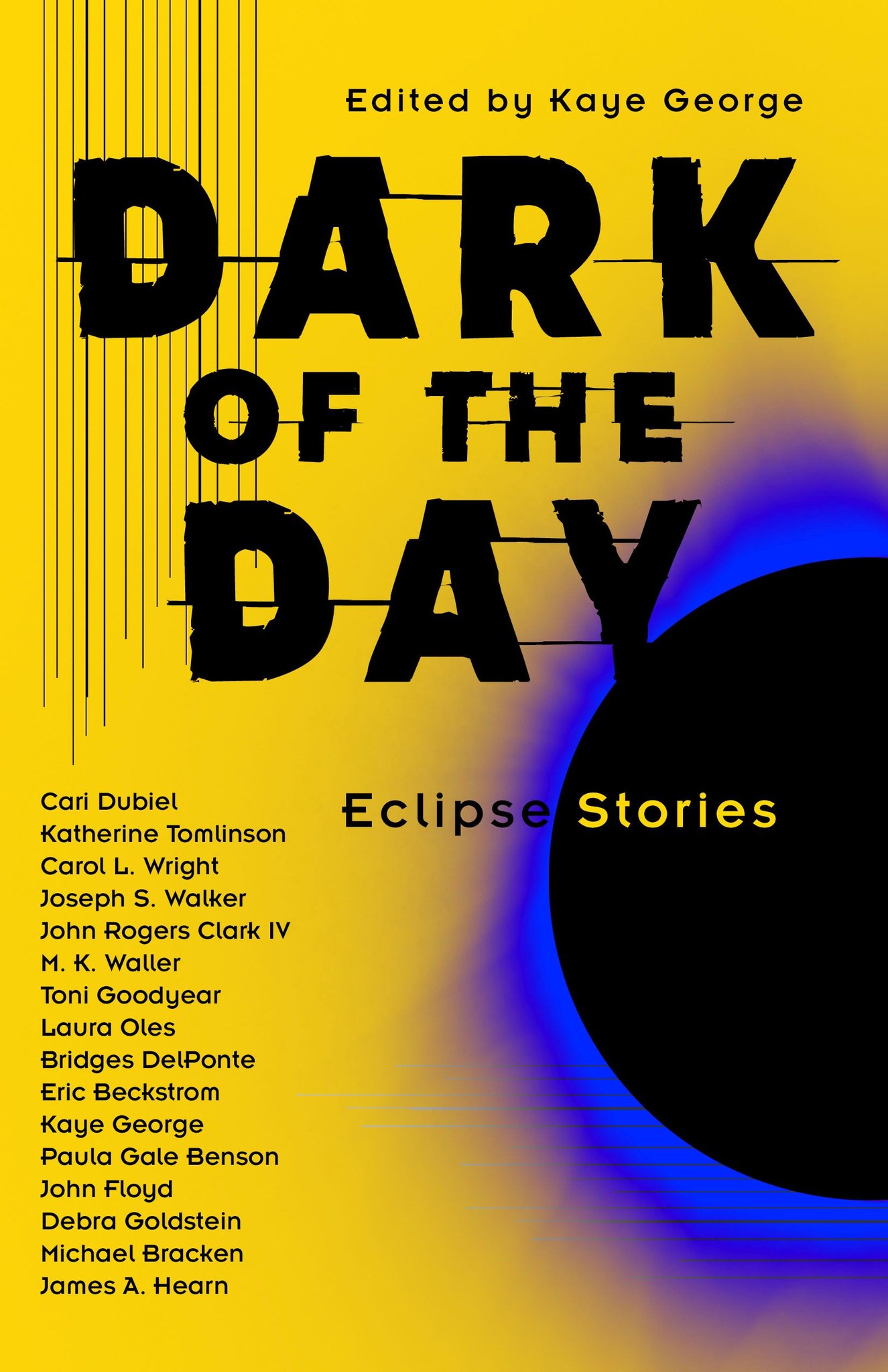
Kathy Waller [M. K. Waller] writes crime fiction, literary fiction, humor, memoir, and whatever else comes to mind. Her latest story, “Mine Eyes Dazzle,” which appears in Dark of the Day, was mentioned by Robert Lopresti as “The best mystery story I read this week” (Little Big Crimes, May 12, 2024).

Other short stories appear in anthologies: the Silver Falchion Award winner Murder on Wheels, Lone Star Lawless, and Day of the Dark, as well as online. She is co-author, with Manning Wolfe, of the novella STABBED,

Memories of growing up in a small town on the San Marcos River in Central Texas, and life in a large extended family, inspire much of her work. She now lives in Austin.

She blogs at Telling the Truth–Mainly. Find her on Facebook and on Amazon.

A Mind Unhinged

Posted by Kathy Waller

So you start writing your post about the incomparable Josephine Tey’s mystery novels two weeks before it’s due but don’t finish, and then you forget, and a colleague reminds you, but the piece refuses to come together, and the day it’s due it’s still an embarrassment, and the next day it’s not much better, and you decide, Oh heck, at this point what’s one more day? and you go to bed,

and in the middle of the night you wake to find twenty pounds of cat using you as a mattress, and you know you might as well surrender, because getting him off is like moving Jello with your bare hands,

Elisabet Ney: Lady Macbeth, Detail

Elisabet Ney: Lady Macbeth, Detail (Photo credit: Wikipedia) Attribution: Ingrid Fisch at the German language Wikipedia.  GNU_Free_Documentation_License

so you lie there staring at what would be the ceiling if you could see it, and you think, Macbeth doth murder sleep…. Macbeth shall sleep no more,

and then you think about Louisa May Alcott writing, She is too fond of books, and it has turned her brain,

and you realize your own brain has not only turned, but has possibly come completely unhinged.

And you can’t get back to sleep, so you lie there thinking, Books, books, books. Strings and strings of words, words, words. Why do we write them, why do we read them? What are they all for?

And you remember when you were two years old, and you parroted,

The owl and the pussycat went to sea in a beautiful pea green boat,

because happiness was rhythm and rime.

And when you were five and your playmate didn’t want to hear you read “Angus and the Cat,” and you made her sit still and listen anyway.

And when you were fourteen and so happy all you could think was, O world, I cannot hold thee close enough!, and you didn’t know who wrote it but you remembered the line from a Kathy Martin book you got for Christmas when you were ten.

And when you were tramping along down by the river and a narrow fellow in the grass slithered by too close, and you felt a tighter breathing, and zero at the bone.

And when you woke early to a rosy-fingered dawn and thought

By Dana Ross Martin, (CC BY-NC-ND 2.0), via flickr

By Dana Ross Martin, (CC BY-NC-ND 2.0)

I’ll tell you how the sun rose,
A ribbon at a time,
The steeples swam in Amethyst
The news, like Squirrels, ran –
The Hills untied their Bonnets –

And when you saw cruelty and injustice, and you remembered, Perfect love casts out fear, and knew fear rather than hate is the source of inhumanity, and love, the cure.

And when your father died unexpectedly, and you foresaw new responsibilities, and you remembered,

We never know how high we are
Till we are called to rise.

And when your mother died, and you thought,

Oh, if instead she’d left to me
The thing she took into the grave!-
That courage like a rock, which she
Has no more need of, and I have.

Fentress United Methodist Church. © Kathy Waller

Fentress United Methodist Church. © Kathy Waller

And at church the day after your father’s funeral, when your cousins, who were officially middle-aged and should have known how to behave, sat on the front row and dropped a hymnbook, and something stuck you in the side and you realized that when you mended a seam in your dress that morning you left the needle just hanging there and you were in danger of being punctured at every move, and somehow everything the minister said struck you as funny, and the whole family chose to displace stress by laughing throughout the service, and you were grateful for Mark Twain’s observations that

Laughter which cannot be suppressed is catching. Sooner or later it washes away our defences, and undermines our dignity, and we join in it … we have to join in, there is no help for it,

and that, 

Against the assault of Laughter nothing can stand.

And when you fell in love and married and said with the poet, My beloved is mine and I am his.

And when, before you walked down the aisle, you handed a bridesmaid a slip of paper on which you’d written, Fourscooooorrrrrrre…, so that while you said, “I do,” she would be thinking of Mayor Shinn’s repeated attempts to recite the Gettysburg Address at River City’s July 4th celebration, and would be trying so hard not to laugh that she would forget to cry.

And when your friend died before you were ready and left an unimaginable void, and life was unfair, and you remembered that nine-year-old Leslie fell and died trying to reach the imaginary kingdom of Terabithia, and left Jess to grieve but to also to pass on the love she’d shown him.

And when the doctor said you have an illness and the outlook isn’t good, and you thought of Dr. Bernie Siegal’s writing, Do not accept that you must die in three weeks or six months because someone’s statistics say you will… Individuals are not statistics, but you also remembered what Hamlet says to Horatio just before his duel with Laertes,

There’s a special providence in the fall of a sparrow. If it be now, ’tis not to come. If it be not to come, it will be now. If it be not now, yet it will come—the readiness is all.

And by the time you’ve thought all that, you’ve come back to what you knew all along, that books exist for pleasure, for joy, for consolation and comfort, for courage, for showing us that others have been here before, have seen what we see, felt what we feel, shared needs and wants and dreams we think belong only to us, that

Photograph of Helen Keller at age 8 with her t...

Photograph of Helen Keller at age 8 with her tutor Anne Sullivan on vacation in Brewster, Cape Cod, Massachusetts (Photo credit: Wikipedia)

everything the earth is full of… everything on it that’s ours for a wink and it’s gone, and what we are on it, the—light we bring to it and leave behind in—words, why, you can see five thousand years back in a light of words, everything we feel, think, know—and share, in words, so not a soul is in darkness, or done with, even in the grave.

And about the time you have settled the question to your satisfaction, the twenty pounds of Jello slides off, and you turn over, and he stretches out and leans so firmly against your back that you end up wedged between him and your husband, who is now clinging to the edge of  the bed, as sound asleep as the Jello is, and as you’re considering your options, you think,

The Owl and the Pussy-cat went to sea
   In a beautiful pea-green boat,
They took some honey, and plenty of money,
   Wrapped up in a five-pound note.
The Owl looked up to the stars above,
   And sang to a small guitar…

and by the time the Pussycat and the Elegant Fowl have been married by the Turkey who lives on the hill, and have eaten their wedding breakfast with a runcible spoon, and are dancing by the light of the moon, the moon, you’ve decided that a turned brain has its advantages, and that re-hinging will never be an option.

###

20 pounds of cat. © Kathy Waller

20 pounds of cat. © Kathy Waller

###

http://nfs.sparknotes.com/macbeth/page_58.html
https://www.goodreads.com/author/quotes/1315.Louisa_May_Alcott
http://www.poetryfoundation.org/poem/171941
http://www.vintagechildrensbooksmykidloves.com/2009/06/angus-and-cat.html
http://www.poetryfoundation.org/poem/182477
https://en.wikipedia.org/wiki/Epithets_in_Homer
http://biblehub.com/1_john/4-18.htm
http://writersalmanac.publicradio.org/index.php?date=2002/10/15
http://www.twainquotes.com/Laughter.html
http://biblehub.com/songs/2-16.htm
https://en.wikipedia.org/wiki/The_Music_Man_(1962_film)
https://en.wikipedia.org/wiki/Bridge_to_Terabithia_(novel)
http://www.shareguide.com/Siegel.html
http://nfs.sparknotes.com/hamlet/page_320.html
http://www.shorewood.k12.wi.us/page.cfm?p=3642

***

“A Mind Unhinged” appeared on Austin Mystery Writers on February 25, 2016.

*

Kathy Waller writes crime fiction, literary fiction, humor, memoir, and whatever else comes to mind. Her short stories appear in the Silver Falchion Award winner Murder on Wheels, Austin Mystery Writers’ first crime fiction anthology, and in their second, Lone Star Lawless, as well as in other print publications and online. Her novella STABBED, co-authored with Manning Wolfe, was released in October 2019. She blogs at Telling the Truth–Mainly.

Memories of growing up in a small town on the San Marcos River in Central Texas, and life in a large extended family, inspire much of her work. She now lives in Austin with two cats and one husband.

A Mind Unhinged

Posted by Kathy Waller

So you start writing your post about the incomparable Josephine Tey’s mystery novels two weeks before it’s due but don’t finish, and then you forget, and a colleague reminds you, but the piece refuses to come together, and the day it’s due it’s still an embarrassment, and the next day it’s not much better, and you decide, Oh heck, at this point what’s one more day? and you go to bed,

and in the middle of the night you wake to find twenty pounds of cat using you as a mattress, and you know you might as well surrender, because getting him off is like moving Jello with your bare hands,

Elisabet Ney: Lady Macbeth, Detail

Elisabet Ney: Lady Macbeth, Detail (Photo credit: Wikipedia) Attribution: Ingrid Fisch at the German language Wikipedia.  GNU_Free_Documentation_License

so you lie there staring at what would be the ceiling if you could see it, and you think, Macbeth doth murder sleep…. Macbeth shall sleep no more,

and then you think about Louisa May Alcott writing, She is too fond of books, and it has turned her brain,

and you realize your own brain has not only turned, but has possibly come completely unhinged.

And you can’t get back to sleep, so you lie there thinking, Books, books, books. Strings and strings of words, words, words. Why do we write them, why do we read them? What are they all for?

And you remember when you were two years old, and you parroted,

The owl and the pussycat went to sea in a beautiful pea green boat,

because happiness was rhythm and rime.

And later when your playmate didn’t want to hear you read “Angus and the Cat,” and you made her sit still and listen anyway.

And when you were fourteen and so happy all you could think was, O world, I cannot hold thee close enough!, and you didn’t know who wrote it but you remembered the line from a Kathy Martin book you got for Christmas when you were ten.

And when you were tramping along down by the river and a narrow fellow in the grass slithered by too close, and you felt a tighter breathing, and zero at the bone.

And when you woke early to a rosy-fingered dawn and thought

By Dana Ross Martin, (CC BY-NC-ND 2.0), via flickr

By Dana Ross Martin, (CC BY-NC-ND 2.0)

I’ll tell you how the sun rose,
A ribbon at a time,
The steeples swam in Amethyst
The news, like Squirrels, ran –
The Hills untied their Bonnets –

And when you saw cruelty and injustice, and you remembered, Perfect love casts out fear, and knew fear rather than hate as the source of inhumanity, and love, the cure.

And when your father died unexpectedly, and you foresaw new responsibilities, and you remembered,

We never know how high we are
Till we are called to rise.

And when your mother died, and you thought,

Oh, if instead she’d left to me
The thing she took into the grave!-
That courage like a rock, which she
Has no more need of, and I have.

Fentress United Methodist Church. © Kathy Waller

Fentress United Methodist Church. © Kathy Waller

And at church the day after your father’s funeral, when your cousins, who were officially middle-aged and should have known how to behave, sat on the front row and dropped a hymnbook, and something stuck you in the side and you realized that when you mended a seam in your dress that morning you left the needle just hanging there and you were in danger of being punctured at every move, and somehow everything the minister said struck you as funny, and the whole family chose to displace stress by laughing throughout the service, and you were grateful for Mark Twain’s observations that

Laughter which cannot be suppressed is catching. Sooner or later it washes away our defences, and undermines our dignity, and we join in it … we have to join in, there is no help for it,

and that, 

Against the assault of Laughter nothing can stand.

And when you fell in love and married and said with the poet, My beloved is mine and I am his.

And when, before you walked down the aisle, you handed a bridesmaid a slip of paper on which you’d written, Fourscooooorrrrrrre…, so that while you said, “I do,” she would be thinking of Mayor Shinn’s repeated attempts to recite the Gettysburg Address at River City’s July 4th celebration, and would be trying so hard not to laugh that she would forget to cry.

And when your friend died before you were ready and left an unimaginable void, and life was unfair, and you remembered that nine-year-old Leslie fell and died trying to reach the imaginary kingdom of Terabithia, and left Jess to grieve but to also to pass on the love she’d shown him.

And when the doctor said you have an illness and the outlook isn’t good, and you thought of Dr. Bernie Siegal’s writing, Do not accept that you must die in three weeks or six months because someone’s statistics say you will… Individuals are not statistics, but you also remembered what Hamlet says to Horatio just before his duel with Laertes,

There’s a special providence in the fall of a sparrow. If it be now, ’tis not to come. If it be not to come, it will be now. If it be not now, yet it will come—the readiness is all.

And by the time you’ve thought all that, you’ve come back to what you knew all along, that books exist for pleasure, for joy, for consolation and comfort, for courage, for showing us that others have been here before, have seen what we see, felt what we feel, shared needs and wants and dreams we think belong only to us, that

Photograph of Helen Keller at age 8 with her t...

Photograph of Helen Keller at age 8 with her tutor Anne Sullivan on vacation in Brewster, Cape Cod, Massachusetts (Photo credit: Wikipedia)

everything the earth is full of… everything on it that’s ours for a wink and it’s gone, and what we are on it, the—light we bring to it and leave behind in—words, why, you can see five thousand years back in a light of words, everything we feel, think, know—and share, in words, so not a soul is in darkness, or done with, even in the grave.

And about the time you have settled the question to your satisfaction, the twenty pounds of Jello slides off, and you turn over, and he stretches out and leans so firmly against your back that you end up wedged between him and your husband, who is now clinging to the edge of  the bed, as sound asleep as the Jello is, and as you’re considering your options, you think,

The Owl and the Pussy-cat went to sea
   In a beautiful pea-green boat,
They took some honey, and plenty of money,
   Wrapped up in a five-pound note.
The Owl looked up to the stars above,
   And sang to a small guitar…

and by the time the Pussycat and the Elegant Fowl have been married by the Turkey who lives on the hill, and have eaten their wedding breakfast with a runcible spoon, and are dancing by the light of the moon, the moon, you’ve decided that a turned brain has its advantages, and that re-hinging will never be an option.

###

20 pounds of cat. © Kathy Waller

20 pounds of cat. © Kathy Waller

###

http://nfs.sparknotes.com/macbeth/page_58.html
https://www.goodreads.com/author/quotes/1315.Louisa_May_Alcott
http://www.poetryfoundation.org/poem/171941
http://www.vintagechildrensbooksmykidloves.com/2009/06/angus-and-cat.html
http://www.poetryfoundation.org/poem/182477
https://en.wikipedia.org/wiki/Epithets_in_Homer
http://biblehub.com/1_john/4-18.htm
http://writersalmanac.publicradio.org/index.php?date=2002/10/15
http://www.twainquotes.com/Laughter.html
http://biblehub.com/songs/2-16.htm
https://en.wikipedia.org/wiki/The_Music_Man_(1962_film)
https://en.wikipedia.org/wiki/Bridge_to_Terabithia_(novel)
http://www.shareguide.com/Siegel.html
http://nfs.sparknotes.com/hamlet/page_320.html
http://www.shorewood.k12.wi.us/page.cfm?p=3642