See You…in September!

By Helen Currie Foster

It’s September! New school year! New shoes, after a hot barefoot summer! New outfit, for the first day of school! And then––new classes! New subjects, new teachers, new tools! New friends! New lockers, new classrooms, new hallways…. New season—new teammates, new coach, new plays.

Remember all that?  Your first day back at school? Back to college, back to university? Do you remember the excitement, the nervousness, the anticipation?

September 1 was  Labor Day. And now there will be apples, apple pie and apple crisp. There will be chrysanthemums, spilling out of baskets. Even in central Texas, leaves will change color—as Maxwell Anderson’s lyrics have it, “When the autumn weather turns the leaves to flame.” Here in the Hill Country, sumac and Spanish oak turn red, sweet gum turns yellow. No, not the glory of the maples, but a change in the landscape. Because finally, after the dog days of summer, that’s what September brings: something new.

It’s time to pull up the tired summer flowers and thank them for their service. Time to dig some holes and plant new trees, and order some bulbs. I’ll be planting the Mexican plum seedlings a friend gave me, and ordering narcissus bulbs for indoor blooming.

Then the Hill Country brings its own fall excitement. Dove season began  September 1 and a down-the-road neighbor, disturbed by shotgun pellets clattering onto her roof, had to call the sheriff, and have officers explain to a clueless (thoughtless? lawless?) neighbor that it’s contrary to law to allow your ammunition to cross your own fence line. Also unneighborly. But hmm, that could find its way into a future book plot….

Our Hill Country holds surprises. One is the way water hides in the Hill Country—down in secret seeps and creeks, around curves and hollows. And what odd creatures live out here! For example, this fall we’ve seen again the rare and secretive rock squirrel. (We’ve seen a solitary rock squirrel only once every few years.)  We’ve heard the great horned owls that call at night, up and down the creek, and the herons who call, flying down the valley. The buzzards drone, annoyingly, from the tops of telephone poles. We treasure glimpses of the shy, gorgeous painted buntings who appear briefly at the bird feeder, then flit away. Porcupines visit. Roadrunners dart across the road.

And the dog days are over. (This year they were July 3-11, and these hot sultry days have borne their name from ancient times ostensibly because it’s when Sirius, the Dog Star that accompanies Orion, rises with the sun.) https://www.almanac.com/content/what-are-dog-days-summer

But during the dog days I took refuge at night, binge-reading two mystery series that were new to me, by British author Peter Grainger: the DC Smith Investigation series and the Kings Lake Investigation. http://bit.ly/4gmPsad

These wry British procedurals are set on the coast of Norfolk, providing a cool and rainy ocean-side backdrop for the appealing characters. At least I could read about rain and cool breezes. But the books offered not only a respite from ridiculous heat, but a welcome respite from writing. I’ve been in the last weeks of finishing Ghost Justice—Book 10 in my Alice MacDonald Mystery Series, set here in the Texas Hill Country. For me that process includes waking in the wee hours with my mind on plot additions and subtractions, dialogue, characters. For such moments—when the characters wake me up at night voicing their further demands (yes, they seem to come to life and require conversation and attention)––I find mysteries provide absorbing distraction.

And now – Watch for Ghost Justice this week!  https://amzn.to/4pk8WQO

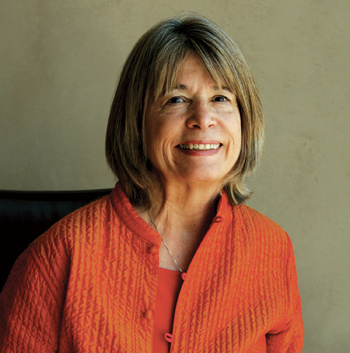
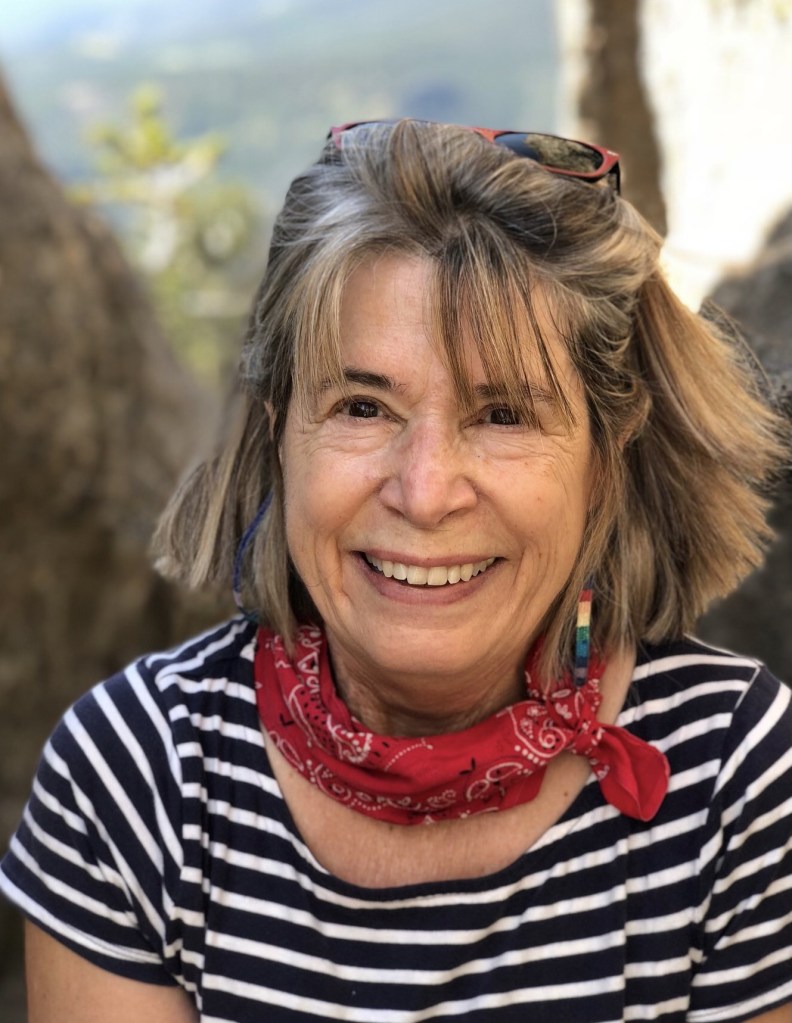
Helen Currie Foster lives and writes the Alice MacDonald Greer Mystery series north of Dripping Springs, Texas, loosely supervised by three burros. She’s drawn to the compelling landscape and quirky characters of the Texas Hill Country. She’s also deeply curious about our human history and how, uninvited, the past keeps crashing th eparty. Follow her at http://www.helencurriefoster.com.

THE FELINE WITCHING HOUR

by

Francine Paino, a.k.a. F. Della Notte

According to BondVet.com, cats are among the most intelligent creatures on the planet. Scientists believe that cats are uniquely smart when compared to dogs and other animals, which makes it understandable that, like their human counterparts, cats have witching hours. (PetMed.)  During those episodes, which generally take place at dusk or dawn, felines may suddenly have bursts of extra energy and display athletic and agile abilities.

In addition to watching my cat, Miss Millie, run, jump and stare at objects or minuscule insects that I either can’t see or don’t exist, I learned that she, to my amazement, could leap four feet up from one piece of furniture to a higher surface. (Now her middle-aged spread has reduced her airtime). And yes, I did measure the distance!

Millie has given us a few spooky behavior episodes of the midnight crazies too. She jumps on my bed at 3 a.m., stands on my chest, pokes her cold, wet nose against mine, and stares into my closed eyes, willing me to open them. On one occasion, she then ran repeatedly to the back door and shoved her head under the window covering to stare out at the back deck. Perhaps at real live prey beyond her reach. How frustrating for her, and no, I didn’t open the door and let her out!  Fortunately, those episodes are few and far between since she then settles down and takes intermittent naps during the day—a luxury I don’t have. To be clear, my Millie cares not a whit for what the experts say. Her most frequent witching hour occurs almost daily between three and four in the afternoon – my time to sit and read. It’s also her way of showing who’s the boss. Hey, human, forget the book. Look at me. She runs, jumps, pounces on invisible prey (invisible to me), and she will often roll onto her back at my feet and stare up at me with shiny eyes that challenge. Try and stop me. 

Suggested ways to manage these activities include creating climbing areas – but she already climbs on everything. Create hiding spots and exploration zones. Miss Millie knows every inch of this house. I think she knows spots I have not yet discovered, and she can squeeze herself into narrow spaces between furniture and the walls that amaze me. I know she has bones, but sometimes I wonder if they become cartilaginous. 

Especially fascinating is how she rules, or should I say communicates. If I’m at my computer in the late afternoon, we have a problem.  According to her time clock, I should be in the kitchen at that hour, taking out food groups to prepare for dinner. So, to move me, she jumps on my lap, proceeds to purr, and opens and closes her paws on my legs, kneading them as one kneads bread dough. And if I don’t acquiesce fast enough, she nips my forearms. I have even warned that I’d send her to the cat-sausage factory if she doesn’t stop, but Millie is immune to my empty threats.

“Maybe she just wants some attention and affection,” said my husband. Sounds reasonable, right? Wrong. Miss Millie will have none of that. She turns her head, stares into my eyes, gives a warning growl, nips my forearm, then jumps down and runs to the kitchen as if to say, Get out in that kitchen and rattle those pots and pans. (Weren’t they words to a song in the 1960s?)

And so, my cat is a fine example of the extraordinary intelligence, determination, and intuition and communication of a cat – and one who demonstrates clearly who’s the boss.

Miss Millie is the personality prototype for LaLa in the Housekeeper Mystery Series. At this time, LaLa is waiting for Father Melvyn’s and Mrs. B.’s return from Italy, but her active participation is minimal in Murder in the Cat’s Eye, A Roman Antiquities Mystery.

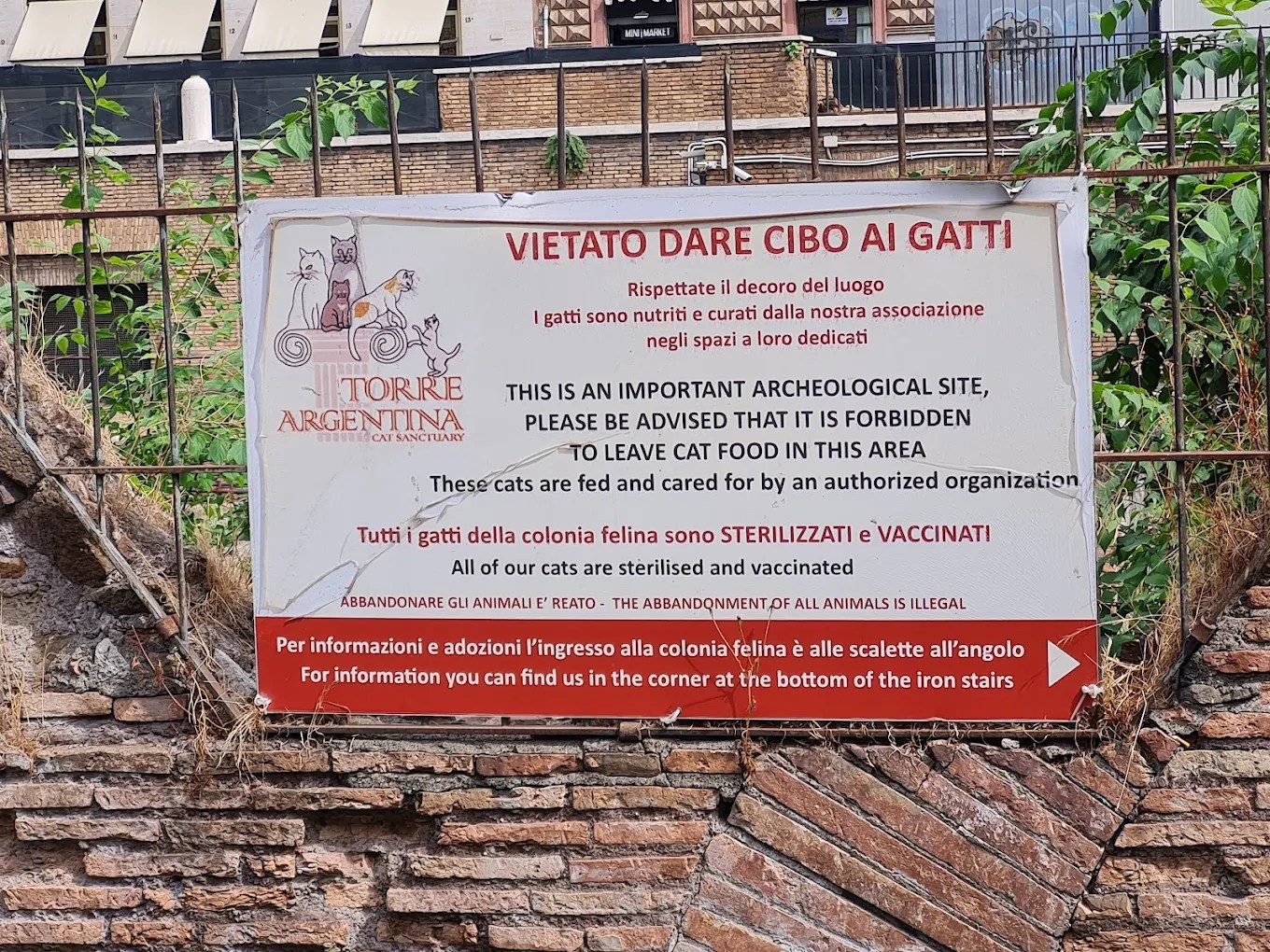
In the eternal city, there is a particular cat sanctuary worthy of mention. Torre Argentina (no relation to the South American country) is located in the ancient ruins where Julius Caesar’s assassination took place. The cat sanctuary was established in 1929 and provides shelter for stray and abandoned cats. It’s run by volunteers who provide care, spay and neuter services, and find homes for approximately 150 cats living within the ruins. Visitors may tour if in Rome, and through their remote adoption program, meet the cats and view their habitat. Makes one wonder what their witching hour looks like among the ghosts of ancient Rome.

In Murder in the Cat’s Eye, A Roman Antiquities Mystery, we meet two precious and precocious felines, Romo and Remo, named for the mythical founders of Rome, Romulus and Remus. Watch for them and Murder in the Cat’s Eye in the fall.

          Meanwhile, Happy Reading!!

Connecting Through the Ether

VP Chandler

By V.P. Chandler

Have you ever researched something—like a purse, a computer, or even a car—only to suddenly notice it everywhere, even though you hadn’t before? Inspiration for stories works the same way.

One of the most common questions authors hear is: “Where do you get your ideas?” The answer: pretty much everywhere—news articles, books, movies, history, snippets of conversation, personal experiences… inspiration can spark from the smallest detail.

I’m currently writing a historical novella, and inspiration is coming from all directions. I feel like a goalie in a soccer match—I’m fully immersed.

Story Settings and Characters

My protagonist is a young woman named Martha. She’s married to Tom, who has moved her far from home—and life isn’t unfolding as she expected. (Isn’t that always the case? But is it simply the way things are, or is something nefarious at work?) They’re building a cabin in the East Texas woods around 1830. I imagined they’d arrived at the tail end of the Old 300, grabbing land wherever they could. (Although the story could take place anywhere from 1820 to 1880, west of Virginia in pine country, I discovered that pines aren’t as widespread as I once thought—which is why research matters.)

https://www.tshaonline.org/handbook/entries/old-three-hundred

As I write, Martha is revealing herself to me—like she exists on another plane and there’s a conduit between us through something I call “the ether,” a metaphysical space. (Is that a real thing? I don’t know—dammit, Jim, I’m a writer, not a metaphysicist!) Her voice is growing stronger. Her past and current life are becoming clearer. When she speaks, it feels like she’s speaking directly at me. I think most writers go through this—and when it happens, it’s exhilarating. To me, it means the character will have depth and feel real.

And, as in the past, there have been “signs” that I’m on the right track with characters and story. Sometimes these signs are even eerie. In the first chapter, when it was new and amorphous, I was writing a dream sequence to explain her inner thoughts, worries, and where she’s from. I imagined she came from a large family, and she had had a brown and white dog named “Peaches”.

A few days later I was on Facebook and came across this picture. It caught my attention because a cabin is a major feature of the story, and I took a screenshot for inspiration to look at details. Later I read the description. Look at what I circled. That’s right! I wasn’t too surprised by the date. But the dog in the picture was name “Peaches”! And it looks brown and white to me. It gave me inspiration that I’m on the right track with the story and characters.

(Picture from https://www.facebook.com/TracesofTexas. They post historical and modern pics taken in Texas.)

Another time, while writing my (currently unpublished) novel Gilt Ridden, I created a character in West Texas, educated and obsessed with gold, known locally as “The Professor,” living in a dugout. Years later, I came across a local-history book about Stonewall County describing a man known as “The Professor” who lived in a dugout and searched for gold. I hadn’t known he existed—but the parallels were uncanny. At first, I worried that people would think that I borrowed someone’s real story. But then it comforted me. I took it as a sign that I had created a realistic character from imaginary circumstances.

So when you’re writing—or working on any project—block out the world and tune in to the voice or idea coming from the ether. Who knows what will be revealed?


Bonus Content

I’ve been obsessed with one song lately. It’s been playing in my head nonstop for a week. I didn’t know much about it until I watched the YouTube video. The character is pregnant and contemplating life choices, just like Martha! Now it’s really stuck in my head. Hope you enjoy it:

Sara Bareilles – “She Used to Be Mine” (from Waitress)

THE TINCTURE OF TIME

By Helen Currie Foster ~  June 9, 2025

I’ve always loved Guy Clark’s version of “Stuff that Works.” Dublin Blues, 1995.

https://www.youtube.com/watch?v=2mprD2MN5vo

Listening, I can just see, just feel, that “old blue shirt” that “suits him just fine.” I can imagine the old boots that let him “work all day” and then go “dance all night.” And of course that friend who “always shows up when the chips are down”––I’m thinking, my bestie. Just hearing about the shirt, the boots, the friend always leaves me with the same settled, restful confidence he’s describing. “Stuff that works!”

“Brown paper packages tied up with string” may have undeniable charm, “stuff that works” means stuff I turn to, go back to, and rely on. Like old travel pants with pockets that zip, soft shirts without a scratchy label, shoes that just carry me along, soles not too thick or thin.

What about you? Things that keep working, that stand the test of time? The pens that always work, the ink you like, the just-right-feel in your hand as you write? The car that always starts, the recipe you can count on?

Part of the charm of “stuff that works” is reliability – working each and every time.

Time, that deep human preoccupation! Is time reliable? Time messes with us. Time stands still. Time passes. Time flies. Time heals. Time runs out. Time grows short. The time changes…and times change. “Time, like an ever-flowing stream…” Sometimes an hour feels interminable; sometimes an hour passes in a flash. Albert Einstein’s theory of general relativity says that even in the universe, time is not constant, but is influenced by gravity. Yikes! (says the English major).

Writers struggle to analyze time’s impact on us. Just a couple of examples––Anthony Powell, A Dance to the Music of Time; Vladimir Nabokov, Speak, Memory;Virginia Woolf, particularly the “Time Passes” section of To the Lighthouse. Historians try to make sense of the impact of events over time, like Drew Gilpin Faust in This Republic of Suffering, on death and the Civil War.

Poets remind us of their mortality—and hence our own. Here’s Robert Frost, in Ten Mills, Part II, THE SPAN OF LIFE, from A Further Range (Henry Holt and Company, 1936):

The old dog barks backward without getting up.

I can remember when he was a pup.


Or Billy Collins at the beginning of “Life Expectancy” in Whale Day (2020):

On the morning of a birthday that ended in a zero,

I was looking out at the garden

When it occurred to me that the robin

On her worm-hunt in the dewy grass

Had a good chance of outliving me….

T.S. Eliot begins East Coker : “In my beginning is my end,” then:

…there is a time for building

And a time for living and for generation

And a time for the wind to break the loosened pane

Ad to shake the wainscot where the field-mouse trots

And to shake the tattered arras woven with a silent motto.

Sebastian Junger reflects on near-death experiences, including his own: In My Time of Dying (2024).

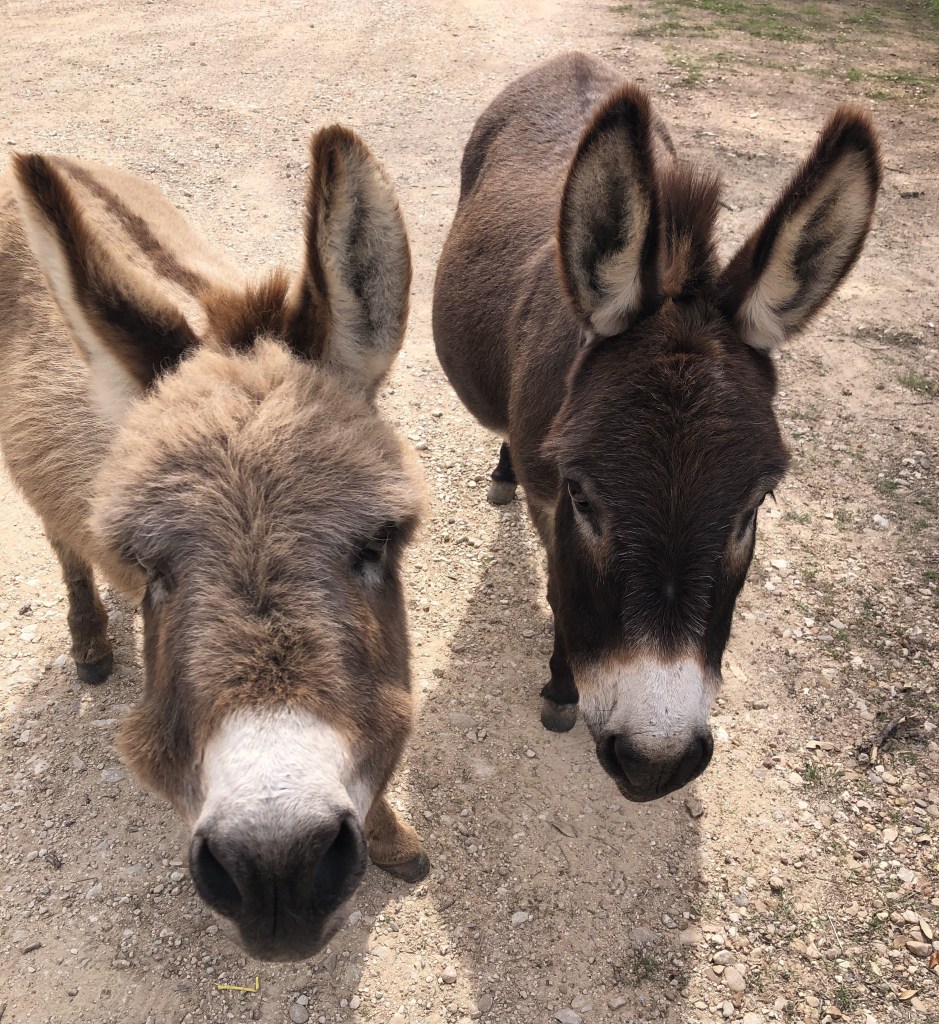
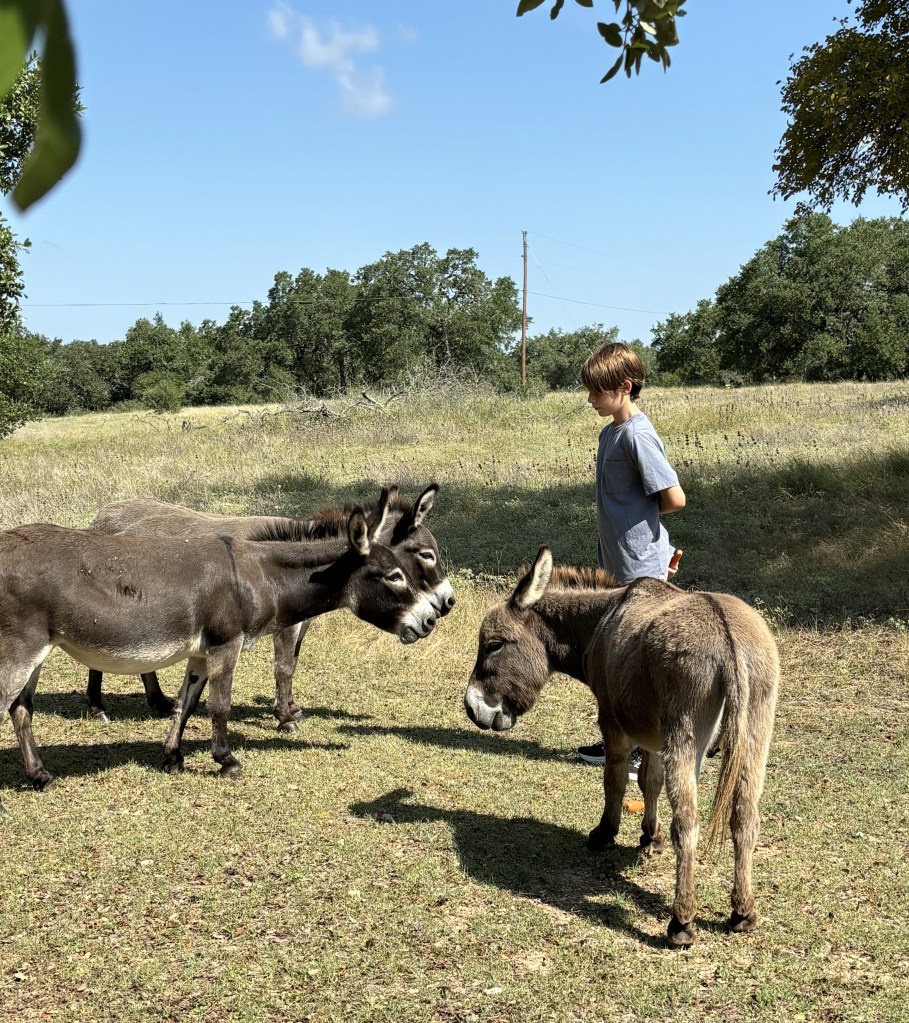
Of course animals can be aware of time. Right? The three donkeys– Sebastian, Amanda, and Caroline ––appear promptly at the gate in front of the house at 11:30 a.m., and again at 4:30 p.m., which, they are confident, are the hours when carrots ought to be offered. We know animals can mourn the loss of a member of their pod, their herd, their litter. But do they worry about their own mortality? Do our friends the non-human primates? Well, maybe! Um, time will tell! https://bit.ly/4mZqi4k

To be human is to be aware of our own mortality. And for humans, time is both reliable—tick, tock—and unreliable: we cannot know what the future holds. Fiction writers, however, get to make those decisions for their characters. In the mystery genre, we get to decide: who shall live? Who shall die? How, and why?

I’ve wrestled with these questions in my Alice MacDonald Greer Mystery Series: what happens next?Should I not  have killed a particular character? Should a new character survive and reappear in the next book? It’s a heavy responsibility! We readers can become quite attached to characters. In the last few weeks, finishing Book 10, I took refuge in Laurie King’s Mary Russell/Sherlock Holmes series. She created a character I found particularly appealing in The God of the Hive. https://bit.ly/449Lugn

But then? The book made me revisit the pain of losing a beloved character to—well, literary death. Remember Gus in Larry McMurtry’s Lonesome Dove? I still miss Gus… Gus, don’t ride over that hill!

In addition to night-time plunges into Laurie King land, I found banging on the piano a helpful respite from the writing process. But after two broken wrists in the past two years (careless, careless) I’d had to quit the beloved boogie woogie lessons and feared I’d never be able to play those strenuous pieces again.

My brother the physician, when asked by his siblings for advice, often prescribes “a little tincture of time.” It’s amazing how often that prescription works. This past week, after (really quite a lot of) tincture of time, I persuaded our century-old piano once again to play boogie-woogie pieces from the 1942 All Star Boogie Woogie Piano Solos! Pete Johnson, Meade “Lux” Lewis, Pine Top Smith, Hersal Thomas, Albert Ammons. Suddenly—how long is “a little tincture of time”?––finger memory began to return. Not all the way back yet, but still! Maybe I’ll get to resume piano lessons with that Austin treasure of jazz, boogie, country and everything else, Floyd Domino.

Charles Darwin was not known to rush into print. In 1837 in Edinburgh he presented his first paper concerning the action of worms “on the formation of mould,” a topic he studied for over forty years. Not until 1881, after two scientists pooh-poohed his theories, during the Great British Agricultural Depression (1873-1896) he published The Formation of Vegetable Mould Through the Action of Worms on the work of earthworms. Curious about their senses, their awarenesss, their work, he studied how worms could tug leaves into their burrows, eat and digest them, and then produce worm casts—millions of tons of richer soil. His query as to whether earthworms were sensitive to light “led me to watch on many successive nights worms kept in pots, which were protected from currents of air by means of glass plates.” His summary after all those years? Darwin doubts “whether there are many other animals which have played so important a part in the history of the world” as earthworms. Producing stuff that works…!

For so many of us, books are the “stuff that works.” Hurrah for reading!


Award-winning author Helen Currie Foster lives and writes the Alice MacDonald Greer Mystery series north of Dripping Springs, Texas, loosely supervised by the three burros. She’s drawn to the compelling landscape and quirky characters of the Texas Hill Country. She remains deeply curious about our human history and how, uninvited, the past keeps crashing our party. Follow her at http://www.helencurriefoster.com and on Amazon, and find the books at Austin’s BookPeople!

https://www.facebook.com/helencurriefoster

The Upside of Resistance

 Productive Procrastination for Creatives

Most writers battle resistance from time to time, and it comes in many forms. Maybe you’re working on a project with a looming deadline, which is the perfect time to clean your kitchen.

Just ask Agatha Christie.

“The best time for planning a book is when you’re doing the dishes.”—Agatha Christie

I realize I’m bending her quote to serve my purposes, but who am I to argue with greatness?

© agathachristie.com

My most recent battle with resistance happened yesterday. After being away from a project too long due to other writing deadlines, I struggled to find my groove, which culminated in my spending nine hours trying to get my arms around a manuscript. My characters refused to behave, and a section of the second act sagged like a neglected hundred-year roof. The final pin dropped in the form of my losing several thousand words due to some sort of file syncing error. I’d spent all day trying to nail Jello to the wall and wondering why it refused to stick. 

I called my sister-in-law, who sagely suggested I needed to step away from my computer. Get some fresh air, go for a walk. I felt a bit better after but still defeated. I spent the rest of the evening with the gritty dust of failure stuck to my skin. I then reminded myself that this, too, is part of the process. The only way out is through. Tomorrow is another day.

I decided to start this morning with some writer support. After a two mile walk while listening to Brandon Sanderson discuss writing with Tim Ferris, I then read J.T. Ellison’s Substack on resistance. There was something about listening to other authors discuss their craft and the struggles that come with it that helped me refocus with a fresh perspective (and an attitude adjustment, which was sorely needed. I was very salty).

If you’re struggling with any sort of creative project, consider taking respite by listening to other creatives discuss how they do their thing.  Here are a few of my favorites:

The Tim Ferriss Show: Episode #794: Brandon Sanderson on Building a Fiction Empire… 

Buckle up, loves, because this episode is 3.5 hours long. It took me several walks and cleaning sessions to get through it, but I promise it’s jam packed with some fantastic advice and discussion related to both the art and business of writing. Few writers have accomplished what Brandon has while also so freely sharing his expertise with others.  

https://www.youtube.com/watch?v=5zzzjLKuFZA

Work Life with Adam Grant: Your Insecurities Aren’t What You Think They Are

Adam Grant is an organizational psychologist with a curiosity superpower that translates into countless benefits for his audience.  His WorkLife podcast is a regular listen in my feed. This episode is also how I found Taylor Tomlinson, which some might think is a strange way to discover a comedian.  Their discussion about how to handle insecurities when your job is centered largely on external feedback and validation (hello, writers!) is one that you may listen to more than once. 

https://podcasts.apple.com/us/podcast/worklife-with-adam-grant/id1346314086?i=1000523780269

J.T. Ellison Substack: The Creative Edge

If you’re a Substack fan, I highly recommend giving J.T Ellison’s newsletter a read. She gives us an inside look at her life as a bestselling author juggling multiple projects for both traditional publishers as well as her own imprint. Her advice is practical and specific, and she mixes in a generous amount of empathy. Here’s the post that pulled me out of my latest bout of writing resistance.

https://jtellison.substack.com/p/interim-step-two-facing-down-resistance

#AmWriting: Substack and Podcast

The author collective of the #AmWriting enterprise deliver some of the best stories, guidance, and interviews related to the business and craft of writing. Regardless of genre or publishing preference, they have you covered.  Their Substack is well organized and offers tons of shovels to help you dig yourself out of any writing hole you currently find yourself stuck in. 

https://amwriting.substack.com

James Clear: Atomic Habits and Newsletter

As someone who receives far too emails, James Clear’s newsletter is the rare one that I make sure to read as soon as it hits my inbox.  His 3-2-1 format (three ideas, two quotes and one question to consider) are thoughtfully considered. Every issue provides a valuable takeaway, and his recent Master Class covers the concepts he outlines in his mega-bestseller Atomic Habits.  Here’s what he shares with us about resistance:

“If you feel resistance before you begin, it’s usually procrastination and you need to get started.  If you feel resistance after you begin, it’s usually feedback and you need to make adjustments.”

Jiro Dreams of Sushi

Jiro Ono is an 85-year-old sushi chef and proprietor of Sukiyabashi Jiro, a 10-seat restaurant located in a Tokyo subway station. Some of the top critics believe he is the world’s greatest sushi chef. This documentary follows his passion for continued mastery even at what he sees as the final years of his career.  “A thoughtful and elegant mediation on work, family and the art of perfection, chronicling Jiro’s life as both an unparalleled success in the culinary world, and a loving yet complicated father.”

I discovered this documentary after my last visit to Japan and was moved by both the constant pursuit of mastery as well as the price it exacts on those closest to him.

I’d like to leave you with a quote that I revisit so often that I should have it tattooed on my forehead. 

“If I waited for perfection, I’d never write a word.”—Margaret Atwood

The world needs your stories more than ever, so I hope that if you’re battling resistance, you’ll find some support from the creative community. Storytelling, at its heart, should be something we enjoy, and if it isn’t bringing that to you right now, I hope it soon returns. And when it does, readers will be waiting for you.

–Laura Oles (https://lauraoles.com) is the award-winning author of the Jamie Rush mystery series. Her debut mystery, Daughters of Bad Men, was an Agatha nominee, a Claymore Award finalist, and a Writers’ League of Texas Award finalist. Depths of Deceit, her second novel, was named Best Mystery by Indies Today. Her novella, Last Call, won the Silver Falchion award. Her work has appeared in crime fiction anthologies, consumer magazines and business publications. She lives in the Texas Hill Country with her family.

Merging Family History With Fiction

VP Chandler

by V.P. Chandler

Previously posted on vpchandler.com

My most recent blog post announced the publication of my short story, “Under The Blackjack Tree” in Killer Nashville magazine and now I’m now doubly thrilled to announce that the short story was also chosen by Otto Penzler and John Grisham to appear in the 2025 edition of Best Mystery Stories of the Year! (Mysterious Press)This is a huge honor. Honestly, at first I didn’t think it was true. I read the email about three times and did some online research before I believed it!

Picture of the jail that I took several years ago.

But another reason why this is so special to me is because my story is steeped with bits of my family’s history.

It began when my mother told me several years ago that one of her most cherished memories was when she got to help her grandfather feed the inmates at the Huntsville jail when she was about four. (Wait, what?) That’s when I learned that my great grandfather had been sheriff of Walker County. I later learned that it was common practice for the sheriff and his family to live on the first floor of the jailhouse while the inmates would be on the second floor.

The image of an innocent girl closely interacting with a potentially dangerous person was so intriguing to me, I was compelled to put it in a story. (I played with the timeline and instead of my mother being the little girl, I made it my grandmother. It simplified the story.) I had no idea where the story was going to go, but I knew that I needed that opening scene. It took me places that I didn’t expect!

Some of the things that were true are-

  • My great grandfather was sheriff at the time of Bonnie and Clyde. I thought that would make an interesting backdrop. A lot of tension in Texas at that time.
  • My grandmother’s first mother did die in childbirth and her loving stepmother was called “Cullie”.
  • There really was a bank robbery in Conroe at that time. (I don’t think it was ever solved.)
  • Trusted inmates often cooked the meals for the other inmates and sometimes for the family.
  • It was my mother that fell into the yard with the hunting dogs and was almost mauled.
  • My grandmother was shot in the face with a shotgun, by accident. It was a miracle that her eyes were spared, and she had not one single scar. That is such an amazing part of our family history that I had to include it.

And two things that I didn’t know until after I wrote the story.

  • My grandmother was sometimes called “Mary V” at school because there was another Mary in her class.
  • When she attended Sam Houston to get her teaching certificate, she would often cut across the cemetery when her classmates wouldn’t. She was never a squeamish person.
My grandmother, the flapper!

Although the Mary V in the story is pure fiction, I hope that my grandmother would be proud the story and that some of our family history is saved and shared with others.

In the Window or On the Table? What I Learned from Amor and Anton

By: Dixie Evatt

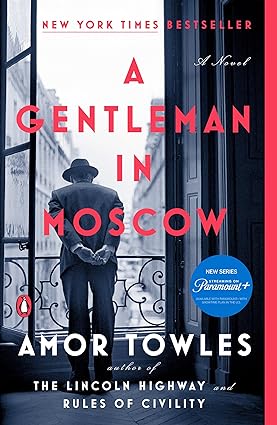
Ever since I read A Gentleman in Moscow (2016) I’ve considered Amor Towles’ writing style to be nearly perfect. So when my niece told me Towles was making an appearance at the Empire Theatre in San Antonio, I booked it. He was there to support the San Antonio Book Festival and to talk about his latest book, Table for Two. It’s a collection of six short stories plus a novella. Unlike some of his other stories, these all take place in the current Millennium.

Over the evening I learned a interesting things about Towles.

I learned that he is what we used to label in the news business, an “easy interview.” Austin’s own Stephen Harrigan (Big Wonderful Thing, 2019) was on the stage with Towles as moderator but he didn’t get to ask many of the questions on his notepad. Towles was in a talkative mood so needed little prompting.

I learned that Towles took up writing full time only after success in his first career at a small Wall Street investment firm.

I learned that once he gets a project in mind, he begins to fill notebook after notebook with hand-written outlines, ideas, scenes, characters. It may take years. He says this process frees his imagination and subconscious to go where beautiful language and the characters’ inner lives take him.

There was more but of the many memorable things I learned about this accomplished author, what I remember best, and took to heart, was his description of his research process. He said that when writing he intentionally postpones what he calls “applied research” until near the end. During this time he is also reading novels written by others that are set in the same historical period as the book he’s working on. His novel is almost written before he begins deep research.

That’s why he waited until A Gentleman in Moscow was almost finished before traveling to Moscow and checking into the Hotel Metropol, the exclusive hotel where his story about Count Alexander Ilyich Rostov is set.

Towles advised that details gleaned from this kind of active research should be written into the story much the way one might design the stage for Anton Chekhov’s The Cherry Orchard (1903). Of course Towles would choose this particular play as a point of reference because, like his own novel set in Russia, Chekhov’s tragicomedy also deals with a period of decline for the Russian aristocracy.

He said that when the curtain rises for the play the audience might see only the suggestion of a cherry orchard through large windows as if were rendered by an impressionist such as Claude Monet or Mary Cassatt. The windows might be framed by plywood bookcases painted to resemble mahogany. In the center of the room there would be a table set with a porcelain tea service.

When an author is ready to fold research into the story, Towles said it should be presented with similar layers of reality. Some details are just suggested in the background. Some, like the bookcases, give the scene the appearance of reality but need not be too detailed. Then there are aspects of research that can’t be given short shrift. For these, the author must adhere to absolute authenticity. The audience needs to hear the chair move across the floor and the teacup rattle in the saucer. The challenge for me is where all of the information that I’ve accumulated in my own research belongs – in the window or on the table?

Charles McNulty, theater critic for the Los Angeles Times, said in a June 6, 2022, review of a local revival of The Cherry Orchard, “Big things occur in Chekhov. Houses are lost, guns occasionally go off, and people die. But the focus is on muddling through.”

Much the same might be said about A Gentleman in Moscow and the subtle use of active research by Towles so that his story isn’t swallowed up in the details.

***

Cover of A Gentleman in Moscow via Amazon

Image of Anton Chekov via Wikipedia. Public domain.

Image of stage of The Cherry Orchard via Wikipedia. Public domain.

***

A former political reporter in Austin, Dixie also taught writing at Syracuse University. When she teamed up with Sue Cleveland to write fiction, they sold a screenplay to a Hollywood producer. Although the movie was never made, the seed money financed ThirtyNineStars, their publishing company. Through it they published two award-winning thrillers (Shrouded and Digging up the Dead) under the pen name, Meredith Lee. Dixie’s first solo mystery was Bloodlines & Fencelines, set in a tiny Texas town near Austin. Kirkus reviews described the book as, “A twisty whodunit that’s crafted with care and saturated with down-home Southern charm.” She is working on second mystery in the series. www.dlsevatt.com


Curious Animals And Recent Reads


by Helen Currie Foster

New reads! If, like me, you desperately miss John le Carré, consider A Spy Alone, the 2023 debut spy thriller by Charles Beaumont, a field operative veteran of Britain’s MI-6. https://bit.ly/3ZzHjHs His premise is fascinating: we know of the “Cambridge Five” who spied for Russia from the 1930’s to 1950’s—Kim Philby, Guy Burgess, Donald Maclean, Anthony Blunt and John Cairncross. https://en.wikipedia.org/wiki/Cambridge_Five But has there ever been, or could there be, a spy ring linked to Oxford? Beaumont’s protagonist Simon Sharman feels real, right from the first page:

“It is their shoes that give them away. As a lifelong fieldman, Simon Sharman hasn’t forgotten the lesson: walkers might change their jackets, pull on a pair of glasses, even a wig. But nobody changes their shoes on a job. Look at their shoes. 

I was hooked. Warning: Beaumont’s book is contemporary, well-written, tense, and may interfere with sleep. 

Two other recent reads: old adventure and a new “adult fantasy.” I’d never heard of The Long Ships by Frans G. Bengtsson (1954).

Set from 980 to 1010 A.D., the book recounts the wide-ranging adventures of Norseman Red Orm Tostesson, and the collision between Christian priests (the “shaven men”) and the Norse culture of Skania at the south tip of Sweden. Now I know what it meant to go “a-viking”—to go sea-raiding! 500 pages, with Red, a very engaging Norseman. Great maps, too.

The Lost Bookshop, by Evie Woods (2024), offers time travel between the 1920’s and 30’s in Britain, and the present; a search for a lost Brontë manuscript; a disappearing attic; and disappearing and reappearing characters. I confess I flipped through big chunks, relieved when true love finally won out after two women, generations apart, survive appalling treatment. The disappearing attic reminded me of Susan Cooper’s Over Sea, Under Stone, and of course the wardrobe into Narnia in The Lion, the Witch and the Wardrobe. I’m always up for secret doors.

I’m rereading a fascinating and fairly demanding study by Graham Robb, who has probably bicycled and walked further in Britain and France than most humans:

In The Search for Middle Earth: Mapping the Lost World of the Celts (2013)he describes how the Keltoi, or Celts, developed a system of surveying based on a midline transected by the lines of the summer and winter solstice to estimate travel distances and times—a feat not replicated for centuries. He maps the Heraklean Way, the path from southwestern Iberia that runs northeast across the Pyrenees to the Alps along the diagonal of the solstice sun, which Hannibal took when he invaded Italia. He describes Druid schooling (20 years to learn) and maps out protohistoric forts which turn out to lie along survey lines. He provides amazing maps. Two ongoing lessons from Robb’s devoted research: the winners write history; and humans tend to underestimate the accomplishments of earlier civilizations. 

Several of you asked about the three burros, given the recent cold snap. Thank you, they’re well. Their hair’s not waterproof so in cold rain they gather on the south side of the stable, under the roof, safe from rain and the north wind. They were relieved to see green grass again after the drought broke, but they’re also eating—and rolling in––green hay. And mud!

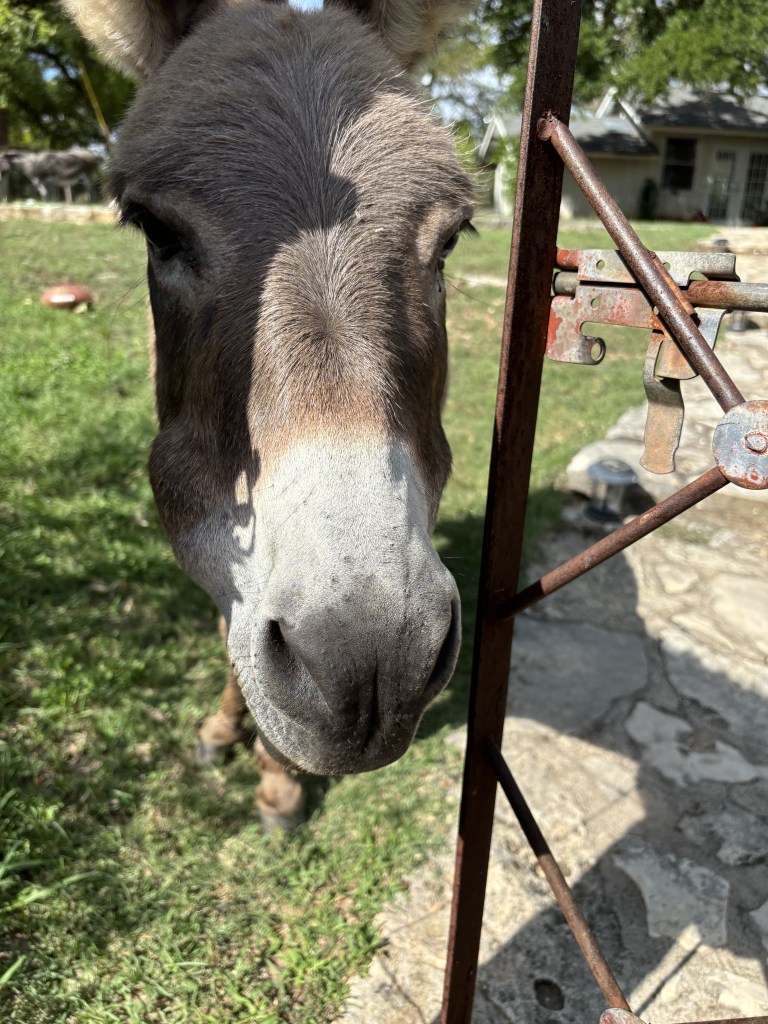
Yet despite hay, they gather outside the gate every morning and afternoon for carrots. They consider this part of their deal.

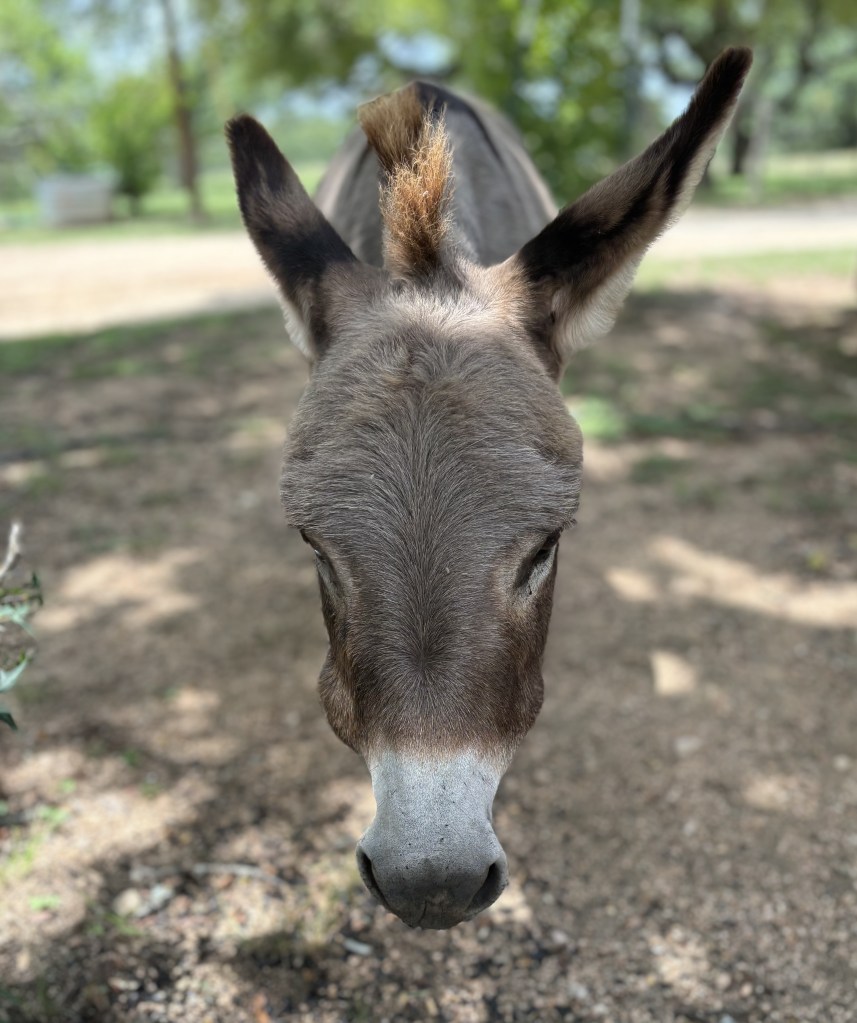
Burros are curious. They amble over to watch us garden and hang up laundry. They need company. They graze near each other. They may live into their 40’s. Sebastian, the short stubby knock-kneed male who invited himself to live here, may be 35 or more. Amanda (who insists I tell you she’s registered, with papers) may be 20. Her daughter Caroline is 12. Sebastian deems it his duty to bray loudly when any person or car appears at the end of the driveway, and to welcome the sun every morning with a stunningly loud bray. Now both Amanda and Caroline have begun to bray occasionally. 

Only donkeys can bray. Unlike horses or zebras, donkeys begin a bray on the inhale and continue braying on the exhale. They have great hearing—supposedly they can hear another donkey bray 60 miles away. 

They especially detest canids and will attack, dance on and kick dogs, coyotes, bobcats, foxes. A spooked horse will run away: donkeys stand together until they decide what they’re going to do. This morning, leaving for the post office, I saw the three donkeys standing together, knees locked, ears cocked, eyes fixed on two trespassing dogs who’d strayed across the cattleguard and into the donkeys’ domain. 

The dogs immediately acknowledged their gross error of judgment, raced frantically away and never returned.

If donkeys could read (wait—maybe they can, but have trouble turning the pages), I predict they’d prefer mysteries. They enjoy puzzles (like how to lift the chain and invade the fenced garden). 

Humans and donkeys. We are both curious animals.

Helen Currie Foster lives and writes the Alice MacDonald Greer Mystery Series north of Dripping Springs, Texas, loosely supervised by three burros. She’s drawn to the compelling landscape and quirky characters of the Texas Hill Country. She’s also deeply curious about our human history and how, uninvited, the past keeps crashing the party! Currently she’s working on Book 10. Her protagonist, Alice, gets into legal drama, and matters of the heart. Alice does have a treehouse…

Follow Helen at http://www.helencurriefoster.com and on Amazon and Facebook, https://www.facebook.com/helencurriefoster

Why I Go to Critique Group

by Kathy Waller

I said to my critique partner this morning, The whole project is stinky it stinks it’s fatally flawed just nothing no hope.

She said, But Chapter 13 is so good so funny Molly is so funny it’s not stinky.

I said, Yes, the first part of chapter 13 and the last part of chapter 13 are funny and very very good but there’s still no middle of chapter 13 and what there is stinks and anyway the other 47,000 words stink except for a few hundred here and there.

And she said, But the middle could be revised and edited it has promise.

I said, But it won’t work because I have written myself into a hole and can’t get out so I have to trash that part and anyway the whole concept stinks.

And she said, NO you can fix it just keep going because I like Molly she’s so funny.

And that is why I go to critique group every blessed week.

*****

Writing is a solitary activity, but most of writing isn’t writing. It’s rewriting, rewriting, and rewriting. And then it’s revising and revising. And editing editing editing. And rewriting again. And . . .

Sometimes it’s whingeing and complaining and eating peanut butter out of the jar with a spoon and buying larger clothes and telling Molly she’s a heartless ***** who doesn’t deserve one paragraph of her own, much less a whole book.

And it’s feeling like a fraud when you tell people you’re a writer and deciding you’d be happier if you gave up and dedicated yourself to French cookery or tatting or riding a unicycle.

But if you’re lucky, it’s also going to critique group and then going home and writing and writing and writing and . . .

Here’s the way Austin Mystery Writers work: We email first drafts, revised drafts, or final (almost) drafts, depending on where we are in the process.

We read all the week’s submissions, then sit around a table–or on one side of a table in front of a monitor displaying partners in little Zoom squares–and talk about what each member has written.

Criticism here doesn’t mean trashing. It means that each member points out what the writer has done well and what she might have done better. Sometimes we suggest examples of better–the “experts” say that’s not proper, but it works for us–and sometimes we simply say what we think doesn’t work so well without elaborating. Sometimes we disagree; one person doesn’t like a word or sentence or paragraph, while another thinks it’s fine. Sometimes we all chime in and discuss ideas.

Then we say, “Thank you.”

Because we’ve become friends during our association, we can say what we think and appreciate what the others say.

We encourage one another.

We also laugh a lot.

Because of AMW, I’ve published short stories and co-written one novella.

Because of AMW, I’ve become a better writer.


I posted “Why I Go to Critique Group” (one time I titled it “Why I Go to Critique Group and Can’t Afford Not To”) on my personal blog on July 9, 2010, when Gale Albright and I were members of the two-person Just for the Hell of It Writers, which was soon swallowed up by Austin Mystery Writers (a consummation devoutly to be wished).

I periodically pull the piece out and repost it.

Because it’s important.

***

Has anyone noticed that the em dash (—) in my posts looks like an en dash (–)? I can’t help it. Sometimes I find an em dash on a grammar website (like now) and copy and paste into my post, but right now I’m just not in the mood. But I’d like picky readers, like myself, to know that I’m aware of the error and wish the platform would correct it,

***

Kathy Waller posts on her personal blog, Telling the Truth, Mainly, http://kathywaller1.com. She’s published the works pictured above, the first three with Wildside Press, the last, co-written with Manning Wolfe, by Starpath. She has finally decided the ancient pre-published book is not stinky and has hopes of finishing it one day. If her critique partners agree.

Why I’m Not a Journalist

The Good Old Days.

Let’s face it: Were things really that good?

Yes, they were. Those ’70s television sit-coms were the best things ever.

I’m binge-watching The Mary Tyler Moore Show, which ran from 1970 to 1977. It was funny then and it’s just funny now.

One episode isn’t quite as funny as the others, though, because it reflects an aspect of my life I find particularly painful.

First season cast: (left top) Harper, Asner, L...

First season cast: (left top) Harper, Asner, Leachman; (left bottom) MacLeod, Moore, Knight. Last season cast: (right top) Knight, MacLeod, Asner; (right bottom) White, Engel, Moore. (Photo credit: Wikipedia). By CBS Television Uploaded by We hope at en.wikipedia [Public domain], via Wikimedia Commons

It’s the scene in which news writer Murray Slaughter rushes home to operate on an ailing water heater, leaving associate producer Mary Richards to cover for him. If a bulletin comes in over the wire–

No problem, she says. The news is almost over, she says. If a story comes across the wire, I’ll just take it off the teletype machine, type it up, and get it to the anchor desk. It’s easy, she says.

She rolls a piece of paper into her typewriter, just in case.

Then a story comes in: A fire is threatening a munitions plant on the outskirts of town.

Mary tears off the bulletin, sits down at her desk, thinks… and thinks… types a few words…  erases… brushes away the crumbs… thinks… and thinks….

Producer Lou Grant, who’s been leaning over her shoulder, bouncing up and down on his toes, finally grabs the paper, runs into his office, types–like the wind–then flies out just in time to meet anchorman Ted Baxter leaving the studio. The show’s over. He’s already signed off–“Good night, and good news”–and the competition’s 7:00 o’clock news will get the scoop.


Embed from Getty Images

That’s why I’m not a journalist. I’m not Lou. I’m not Murray. I’m Mary.

That, and because as a journalist, I would have to make cold calls: get people on the phone, request interviews, ask questions. I’m not comfortable talking to people I don’t know.

But mainly, it’s because editors would expect me to write fast. I don’t do fast. I’m slower than Mary Richards is. Sometimes getting words on paper requires moaning and weeping and riving of hair.

Looking back I wonder how I got to this point. Not the distaste for talking to strangers–I’ve never liked doing that–but the difficulty with writing.

In the beginning, I loved to write. By the time I was seven, I was writing long letters to grandmothers and aunts and cousins. Once when I was home from school, enjoying ill health, I used my father’s fountain pen to write letter after letter. Another time, I used a pencil with a point so soft and dull I doubt the recipients could read through the smears.

The summer I was eight, I spent June in Central Texas with an aunt and uncle while my mother was in Dallas with my grandmother, who was ill. My father, who remained at home in Del Rio, brought me a present one weekend: a ream of legal-sized paper.


Embed from Getty Images

On a scale of one to ten, most children would have rated a ream of paper at minus 3. I gave it a twelve and used it to produce my own newspaper. Mostly I reported weddings in the cat and dog community. I described bridesmaids’ dresses worn by Blackie and Bootsie and Kitty and my fox terrier, Pat Boone. It was a devastating little parody of a small-town newspaper. That summer, I was a journalist.

Fairchild Mill Grindstone

Fairchild Mill Grindstone (Photo credit: Wikipedia)

But things changed. Writing stopped being easy. It stopped being fun. It became a millstone ’round my neck. It became nose-to-the-grindstone work. I turned into Mary Richards, thinking, typing, thinking, thinking, typing, erasing, thinking…

How did that happen? I suspect it had something to do with school and English classes, and writing pieces I didn’t want to write, on topics I knew nothing about. And having to outline before I wrote.

There’s nothing that strangles the free flow of words onto the page than having to organize your thought before you’ve had any.

Portrait of E. M. Forster by Dora Carrington I...

Portrait of E. M. Forster by Dora Carrington Italiano: Ritratto di E. M. Forster di Dora Carrington (Photo credit: Wikipedia)

A lifetime later, I discovered novelist E. M. Forster’s remark on the relationship between writing and organizing: “How do I know what I think until I see what I say?”

In other words, if you can write an outline, you’ve already written the piece in your head. 

But I didn’t know that then. I didn’t know it doesn’t have to be right the first time. I didn’t know I could just start writing and, that way, find out what I knew and what I thought before I tried to put those thoughts in order.

I didn’t know Nancy Peacock would one day write, “If I don’t have the pages I hate I will never have the pages I love.”

I didn’t know all I had to do was lighten up.

Now I’ve lightened a bit, and so has the millstone. When I write for my personal blog, I’m fluent–unless I’m trying to be serious, weighty, and profound.

English: Original caption:"NASA Remembers...

English: Original caption:”NASA Remembers Walter Cronkite. Legendary CBS newsman Walter Cronkite speaks in February 2004 at a ceremony at the National Air and Space Museum in Washington honoring the fallen astronauts of the STS-107 Columbia mission. (Photo credit: Wikipedia)

I do not do profound. I think profound, but I write shallow. I wish it were otherwise, but, to quote Walter Cronkite, that’s the way it is.

Some things haven’t changed, however. I will never fit in the little journalism box. I don’t write fast. I don’t want to strike up conversations with strangers. And the only facts I want to deal with are ones I make up myself.

So that’s why I’m not a journalist.

That’s why I write fiction.

Writers of fiction have deadlines. But they don’t have Lou Grant leaning over them, fidgeting while they think and delete and rewrite and delete and rewrite…

Writers of fiction–especially we pantsers, who write by the seat of our pants–can see what they say before they know what they think.

Sorry, Mary Richards, but that’s the way it is.

*

The Mary Tyler Moore Show, “Room 223”: Mary takes a journalism class
(Resolution isn’t great, but the show is.)

Other high points:

The Mary Tyler Moore Show, “Chuckles Bites the Dust: Chuckles the Clown goes to a parade dressed as a peanut, and an elephant… But it’s okay to laugh.

The Mary Tyler Moore Show, “The Lars Affair”: Sue Ann Nivens closes an oven door in a way formerly unknown to man.

I don’t understand the legalities of putting these programs on Youtube, but as long as they’re there, I’ll assume it’s okay to link to them. Enjoy.

*

P. S. I don’t like being interviewed either. I always tell reporters to be sure they make me sound intelligent. One young lady told me she didn’t have to fix anything because I talk in complete sentences. I told her that was strictly accidental.

*

–Posted by Kathy Waller