Who Do You Love?

 / AUSTIN MYSTERY WRITERS

Yes, Bo Diddley, https://www.youtube.com/watch?v=e5tSgiB_Tgc but I like the Thorogood version too bit.ly/4gNi38m

I’ve got a secret. So many books I have NOT read. You’d be shocked. No, really. My husband (retired business professor) admires Tolstoy, especially Anna Karenina. He’s read most of Dickens and every word of Moby Dick–several times. When we were dating he bought Baudelaire’s Les Fleurs du Mal (English translation) because he’d seen it on my shelf. He knows I’m hung up on Virginia Woolf; he’s read Three Guineas. He’s read reams of history—shelves and shelves, plus tome after tome on Richard Feynman and everything that’s going on with astronomy and quantum physics. He forges onward, aiming for the stars at the edge of the universe.

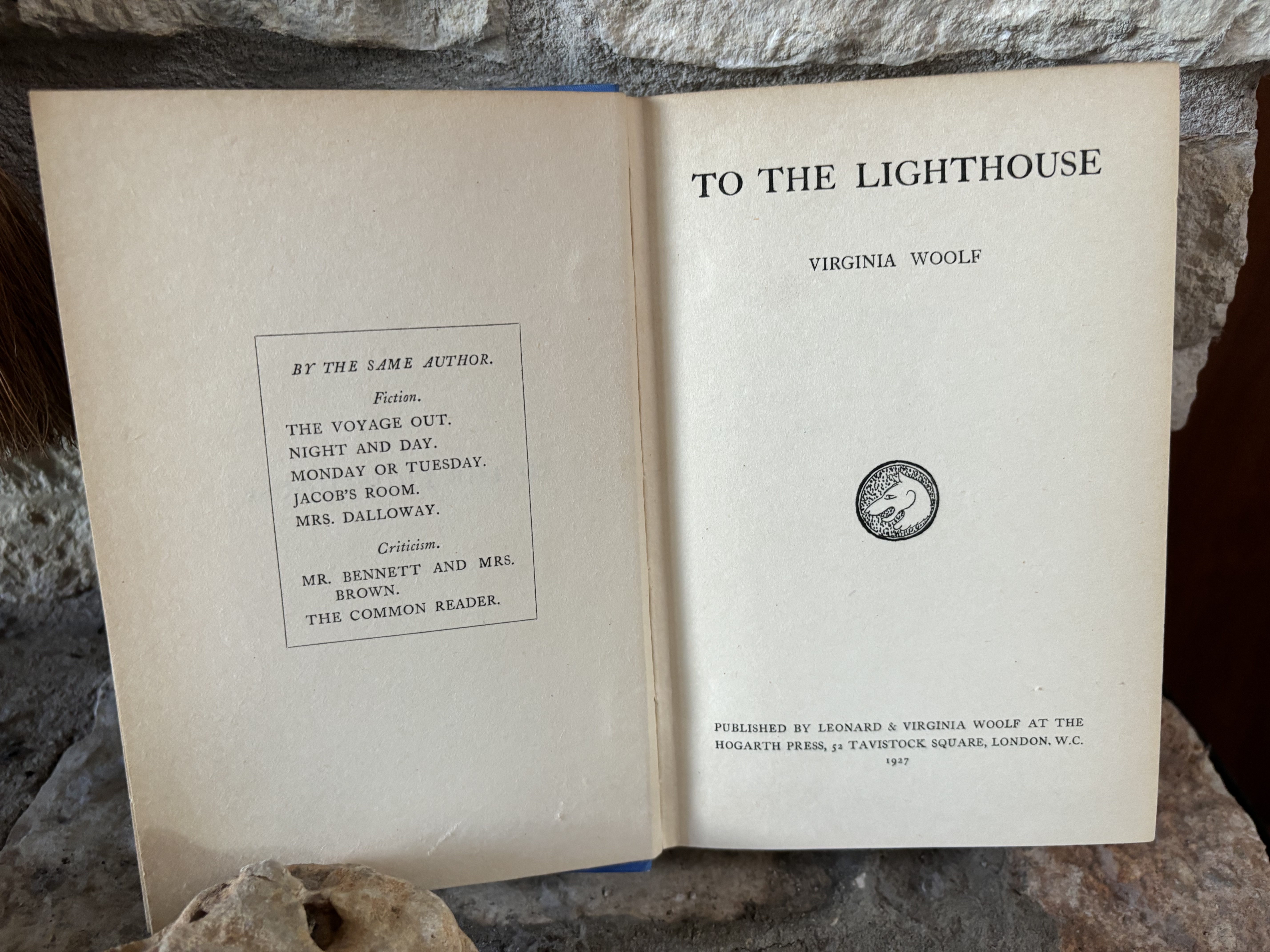
I, however, the English major, the mystery writer? I who should have read All The Books? I confess a powerful secret vice: rereading my favorites, particularly Virginia Woolf. Every year, To the Lighthouse sneaks back into my hand. Why? Why not concentrate only on the new novels, the best-sellers?

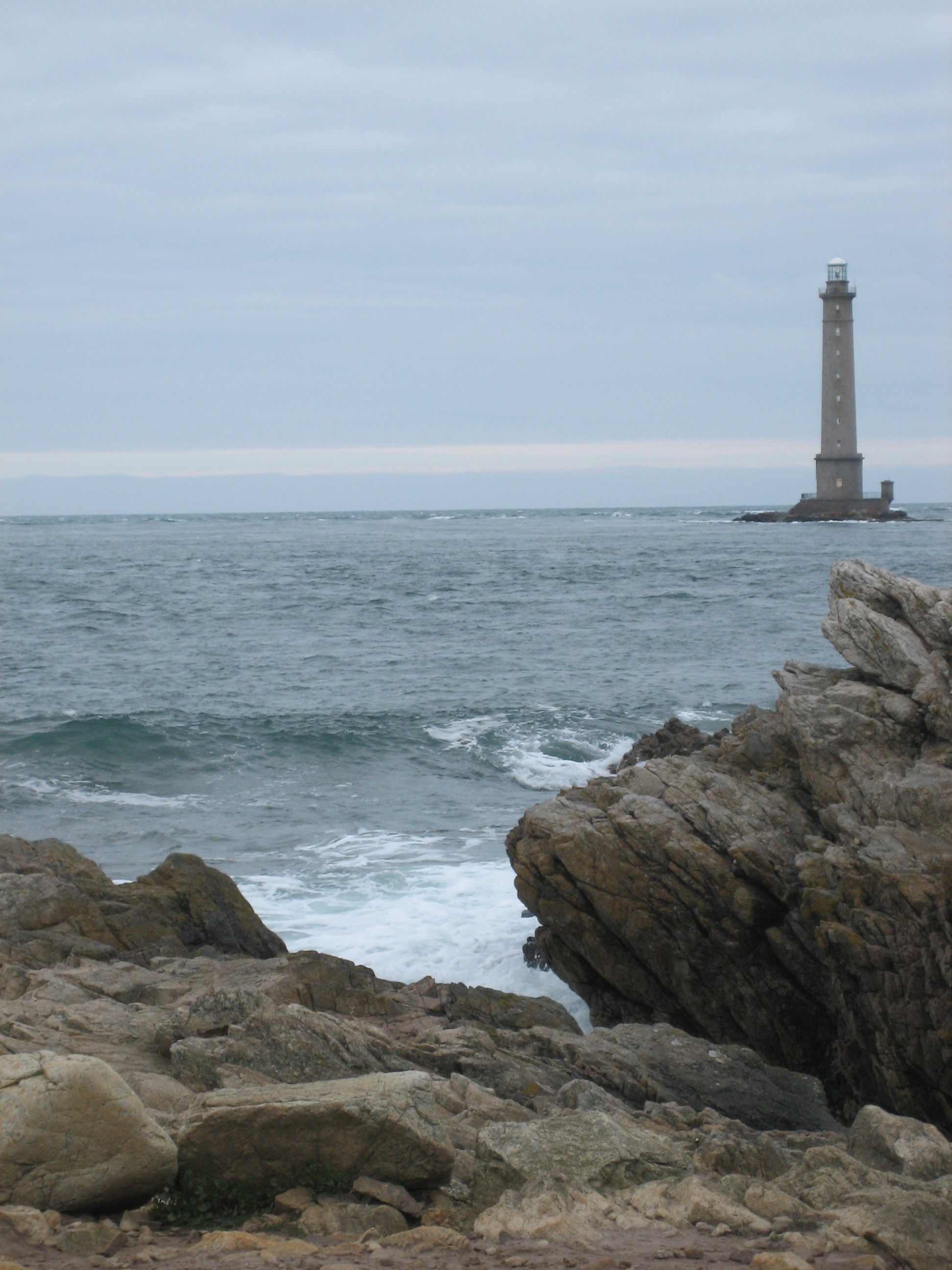
Because I have to reread that moment in Part III when, years later, after world war and illness have claimed her beloved friend Mrs. Ramsay and so many of the Ramsay family, the spinster Lily Briscoe returns to the Ramsays’ summer home on the Isle of Skye. https://bit.ly/3zHF77w

Out on the lawn, facing the old white house, she sets up again the unfinished oil painting she began all those years earlier—the painting that had posed such a challenge in Part I as her mind reverberated with the repeated mantra from Professor Ramsay’s obnoxious male philosophy student: “Women can’t paint, can’t write.” During the long day, full of changing light on the sea, and repeated interruptions by other characters, Woolf returns us over and over to Lily, staring at her painting, seeing again the remembered shapes of Mrs. Ramsay and her son James all those years ago. And her artistic effort? Here’s the end of the book:

“It would be hung in the attics, she thought; it would be destroyed. But what did that matter? She asked herself, taking up her brush again. She looked at the steps; they were empty; she looked at her canvas; it was blurred. With a sudden intensity, as if she saw it clear for a second, she drew a line there, in the centre. It was done; it was finished. Yes, she thought, laying down her brush in extreme fatigue, I have had my vision.”

Why do I return to that? So much of the book is touching, gripping, and even hilarious, including the thoughts of Professor Ramsay, a philosophy professor who’s both overbearing and insecure. He delights in his own “splendid mind”: “For if thought is like the keyboard of a piano divided into so many notes, or like the alphabet is ranged in twenty-six letters all in order, then his splendid mind had no difficulty in running over those letters one by one, firmly and accurately, until it had reached, say, the letter Q.  …Very few people in the whole of England ever reach Q.” Then he falters. “But after Q? What comes next? After Q there are a number of letters the last of which is scarcely visible to mortal eyes, but glimmers red in the distance.”  He braces himself, clenches himself. “Q he was sure of. Q he could demonstrate. If Q then is Q—R—” Then “he heard people saying—he was a failure—that R was beyond him. He would never reach R.”  

What an image—the alphabet, R glimmering red in the distance, then fading, fading!  And then of course there’s the famous dinner party featuring Mrs. Ramsay’s boeuf en daube. Surely, just reading this, you smell the simmered sauce, the wine, the bay leaf? The thought crossed my mind that if Professor Ramsay had been offered a sip of the Talisker malt whiskey for which Skye is famous, he’d have felt a bit better. https://www.malts.com/en/talisker (The distillery gives a great tour, too.)

But Lily’s painting? This spinster friend of Mrs. Ramsay, with her amateur brushstrokes? The tale of Lily’s painting, her decision and indecision as she holds her brush, grabbed me all those years ago, and refuses to let go. The same question must hit every musician—“Is this the last note? Did that chord resolve properly? Does it make you feel beauty and longing, or does it just hang there, unfinished?”  Every cook: “A pinch of salt? What about some coriander? To garlic or not to garlic?” Every filmmaker: “Do they walk into the sunset? Or fade out? Or kiss?” And every writer? “Is this character real? Is this setting compelling? Does the plot work? And will anyone care?”

Lily’s painting embodies desire to capture memory, resistance, light and color, and more than that. Isn’t it  her experience? A moment of creation, of recapture, of making a line on a canvas and then feeling completion?  She’s had her vision. If you know of another book where we readers feel such a moment of revelation from the frustrating process of creation—let me know.

Oh, don’t get me wrong. My Kindle received today the brand-new Martin Walker (A Grave in the Woods) and I can’t wait. bit.ly/3Xzqawt Like the other women in his (busy) life,  I love to accompany Inspector Bruno, in his fictional Perigord village of St. Denis, partly because of his cooking. Thank you, Martin Walker, for describing the ham hanging from the kitchen ceiling, the cheerful chickens, and the paté with its duck fat on top, waiting in Bruno’s fridge, and the way Bruno sings La Marseillaise to count how long until he must sizzle the foie de gras before he deglazes the pan. I look forward to new recipes and to finding out who’s buried in the woods.

And a sad farewell: I’ve decided to forgive Elly Griffiths for saying goodbye to Ruth Galloway in her last book in that series, The Last Remains, even though I have loved watching Ruth clamber down into a trench to dig up ancient bones in East Anglia. amzn.to/3ZxU5rv I’ve also savored every page of Alan Bradley’s latest (last?) Flavia de Luce – What Time the Sexton’s Spade Doth Rust – as he allows this delightful protagonist to feel herself beginning to grow up—not too much, not too fast, just enough. https://bit.ly/4dla13A 

And I did just finish We Solve Murders, Richard Osman’s first book in a new series. bit.ly/4ezjIwh  Have to confess I found myself missing Joyce, Ibrahim, Ron, Elizabeth and the other characters of his Thursday Murder Club books. My strong belief is I must careabout a mystery protagonist and so far I haven’t completely bought in to his new cadre–though I do like Steve. We’ll see.  I’d be interested in your reactions.

So that’s four new mysteries, just in September. I’m also rereading Virginia Woolf’s The Waves, and finding even more, yes, even more to love about how she brings those characters to vivid life, and how she describes the way we humans think and react to each other.

And out here with the three burros I’m writing the tenth in my Coffee Creek series featuring Alice MacDonald Greer and the gorgeous landscape of the Texas Hill Country, with its pristine (well, so far) bluegreen streams. Water’s for fighting over, right?

But when the going gets tough, you may find me sidling back to the revolving bookcase, on the shelf where Virginia Woolf and all the old faves hang out.

Helen Currie Foster lives and writes north of Dripping Springs, Texas, loosely supervised by three burros. She’s drawn to the compelling landscape and quirky characters of the Texas Hill Country. She’s also deeply curious about our human history and how, uninvited, the past keeps crashing the party. Latest in her award-winning series: Ghost Bones.

Follow her on http://www.facebook.com/helencurriefoster/ and http://www.helencurriefoster.com

Share this:

Who Do You Love?

Yes, Bo Diddley, https://www.youtube.com/watch?v=e5tSgiB_Tgc but I like the Thorogood version too bit.ly/4gNi38m

I’ve got a secret. So many books I have NOT read. You’d be shocked. No, really. My husband (retired business professor) admires Tolstoy, especially Anna Karenina. He’s read most of Dickens and every word of Moby Dick–several times. When we were dating he bought Baudelaire’s Les Fleurs du Mal (English translation) because he’d seen it on my shelf. He knows I’m hung up on Virginia Woolf; he’s read Three Guineas. He’s read reams of history—shelves and shelves, plus tome after tome on Richard Feynman and everything that’s going on with astronomy and quantum physics. He forges onward, aiming for the stars at the edge of the universe.

I, however, the English major, the mystery writer? I who should have read All The Books? I confess a powerful secret vice: rereading my favorites, particularly Virginia Woolf. Every year, To the Lighthouse sneaks back into my hand. Why? Why not concentrate only on the new novels, the best-sellers?

Because I have to reread that moment in Part III when, years later, after world war and illness have claimed her beloved friend Mrs. Ramsay and so many of the Ramsay family, the spinster Lily Briscoe returns to the Ramsays’ summer home on the Isle of Skye. https://bit.ly/3zHF77w

Out on the lawn, facing the old white house, she sets up again the unfinished oil painting she began all those years earlier—the painting that had posed such a challenge in Part I as her mind reverberated with the repeated mantra from Professor Ramsay’s obnoxious male philosophy student: “Women can’t paint, can’t write.” During the long day, full of changing light on the sea, and repeated interruptions by other characters, Woolf returns us over and over to Lily, staring at her painting, seeing again the remembered shapes of Mrs. Ramsay and her son James all those years ago. And her artistic effort? Here’s the end of the book:

“It would be hung in the attics, she thought; it would be destroyed. But what did that matter? She asked herself, taking up her brush again. She looked at the steps; they were empty; she looked at her canvas; it was blurred. With a sudden intensity, as if she saw it clear for a second, she drew a line there, in the centre. It was done; it was finished. Yes, she thought, laying down her brush in extreme fatigue, I have had my vision.”

Why do I return to that? So much of the book is touching, gripping, and even hilarious, including the thoughts of Professor Ramsay, a philosophy professor who’s both overbearing and insecure. He delights in his own “splendid mind”: “For if thought is like the keyboard of a piano divided into so many notes, or like the alphabet is ranged in twenty-six letters all in order, then his splendid mind had no difficulty in running over those letters one by one, firmly and accurately, until it had reached, say, the letter Q.  …Very few people in the whole of England ever reach Q.” Then he falters. “But after Q? What comes next? After Q there are a number of letters the last of which is scarcely visible to mortal eyes, but glimmers red in the distance.”  He braces himself, clenches himself. “Q he was sure of. Q he could demonstrate. If Q then is Q—R Then “he heard people saying—he was a failure—that R was beyond him. He would never reach R.”  

What an image—the alphabet, R glimmering red in the distance, then fading, fading!  And then of course there’s the famous dinner party featuring Mrs. Ramsay’s boeuf en daube. Surely, just reading this, you smell the simmered sauce, the wine, the bay leaf? The thought crossed my mind that if Professor Ramsay had been offered a sip of the Talisker malt whiskey for which Skye is famous, he’d have felt a bit better. https://www.malts.com/en/talisker (The distillery gives a great tour, too.)

But Lily’s painting? This spinster friend of Mrs. Ramsay, with her amateur brushstrokes? The tale of Lily’s painting, her decision and indecision as she holds her brush, grabbed me all those years ago, and refuses to let go. The same question must hit every musician—“Is this the last note? Did that chord resolve properly? Does it make you feel beauty and longing, or does it just hang there, unfinished?”  Every cook: “A pinch of salt? What about some coriander? To garlic or not to garlic?” Every filmmaker: “Do they walk into the sunset? Or fade out? Or kiss?” And every writer? “Is this character real? Is this setting compelling? Does the plot work? And will anyone care?”

Lily’s painting embodies desire to capture memory, resistance, light and color, and more than that. Isn’t it  her experience? A moment of creation, of recapture, of making a line on a canvas and then feeling completion?  She’s had her vision. If you know of another book where we readers feel such a moment of revelation from the frustrating process of creation—let me know.

Oh, don’t get me wrong. My Kindle received today the brand-new Martin Walker (A Grave in the Woods) and I can’t wait. bit.ly/3Xzqawt Like the other women in his (busy) life,  I love to accompany Inspector Bruno, in his fictional Perigord village of St. Denis, partly because of his cooking. Thank you, Martin Walker, for describing the ham hanging from the kitchen ceiling, the cheerful chickens, and the paté with its duck fat on top, waiting in Bruno’s fridge, and the way Bruno sings La Marseillaise to count how long until he must sizzle the foie de gras before he deglazes the pan. I look forward to new recipes and to finding out who’s buried in the woods.

And a sad farewell: I’ve decided to forgive Elly Griffiths for saying goodbye to Ruth Galloway in her last book in that series, The Last Remains, even though I have loved watching Ruth clamber down into a trench to dig up ancient bones in East Anglia. amzn.to/3ZxU5rv I’ve also savored every page of Alan Bradley’s latest (last?) Flavia de Luce – What Time the Sexton’s Spade Doth Rust – as he allows this delightful protagonist to feel herself beginning to grow up—not too much, not too fast, just enough. https://bit.ly/4dla13A 

And I did just finish We Solve Murders, Richard Osman’s first book in a new series. bit.ly/4ezjIwh  Have to confess I found myself missing Joyce, Ibrahim, Ron, Elizabeth and the other characters of his Thursday Murder Club books. My strong belief is I must care about a mystery protagonist and so far I haven’t completely bought in to his new cadre–though I do like Steve. We’ll see.  I’d be interested in your reactions.

So that’s four new mysteries, just in September. I’m also rereading Virginia Woolf’s The Waves, and finding even more, yes, even more to love about how she brings those characters to vivid life, and how she describes the way we humans think and react to each other.

And out here with the three burros I’m writing the tenth in my Coffee Creek series featuring Alice MacDonald Greer and the gorgeous landscape of the Texas Hill Country, with its pristine (well, so far) bluegreen streams. Water’s for fighting over, right?

But when the going gets tough, you may find me sidling back to the revolving bookcase, on the shelf where Virginia Woolf and all the old faves hang out.

Helen Currie Foster lives and writes north of Dripping Springs, Texas, loosely supervised by three burros. She’s drawn to the compelling landscape and quirky characters of the Texas Hill Country. She’s also deeply curious about our human history and how, uninvited, the past keeps crashing the party. Latest in her award-winning series: Ghost Bones.

Follow her on http://www.facebook.com/helencurriefoster/ and http://www.helencurriefoster.com

Helen Currie Foster, January 15, 2024

“But at my back I always hear time’s wingèd chariot drawing near…” (Andrew Marvell, 1621-1678)  

Today in pre-dawn darkness, the house quiet except for the murmuring furnace, my characters were already at me, barking orders: “More! More smells, tastes, experiences! More about me! Tell people what I’m thinking, what I’m experiencing, what I’m worrying about!”

They’re right. Readers want to know their favorite mystery protagonists. Why? Because readers are in league with them, walking in their shoes. Readers know that stepping into a protagonist’s sensory experience—smells, food, experiences, relationships—will springboard them into the setting, help them to be in the picture, ready to seize on every clue.

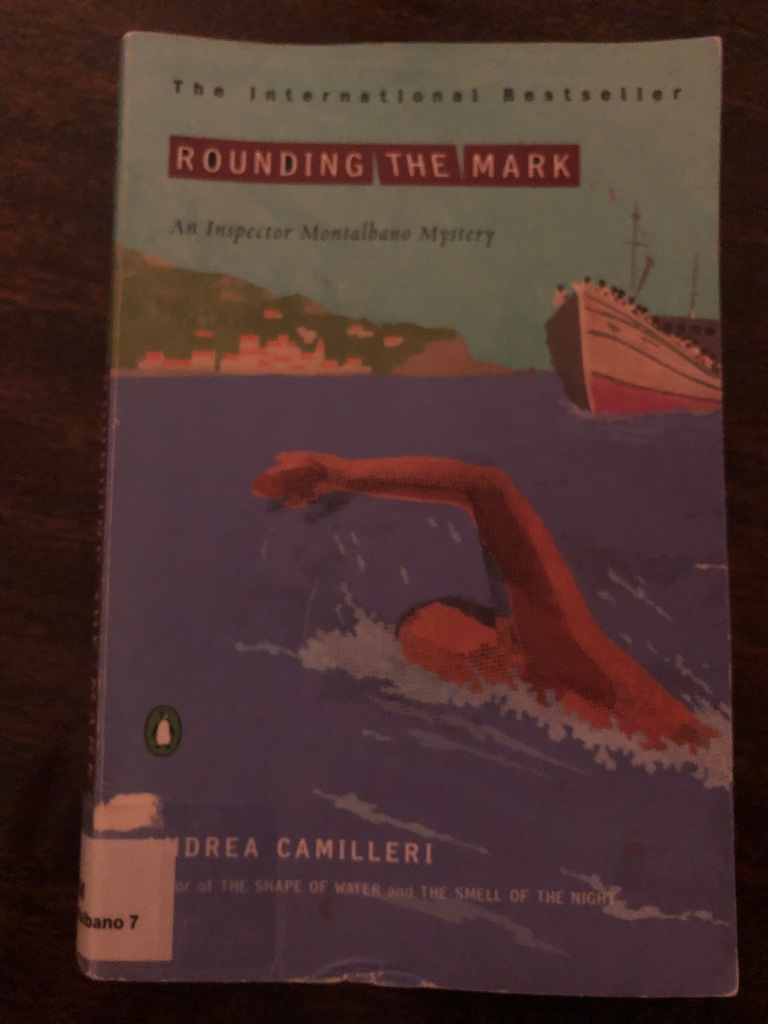
Resolution 1. Tastes! Flavors! Food! As Rounding the Mark, Book 7 of Andrea Camilleri’s long-running series, begins, Inspector Montalbano of little Vigáta, Sicily, can’t sleep:

“Stinking, treacherous night. Thrashing and turning, twisting and drifting off one minute, jolting awake and then lying back down—and it wasn’t from having scarfed down too much octopus a strascinasali or sardines a beccafino the evening before. No, he didn’t even have that satisfaction.”

Fortunately the recipes are described in the Notes at the book’s end. In Sicily, where seafood reigns supreme, Montalbano refers to small octopi, boiled and dressed in olive oil and lemon juice, and then sardines, stuffed and rolled up with sauteed breadcrumbs, pine nuts, sultana raisins, and anchovies. When Montalbano returns home from the police station he always races to his refrigerator to see what his housekeeper, Adelina, has left for him. In Book 16, Treasure Hunt, Montalbano “howled like a wolf with joy” when he finds “eggplant parmesan, done up just right, enough for four.”

Can’t you just smell this dish? Montalbano consumes the entire panful: “the sauce was a wonder to taste.” (50). We see how he delights in his food, how very particular he is. (And throughout the series Adelina keeps cooking – pasta in squid ink, involtini of small fish, pasta ‘Ncasciata…https://www.foodandwine.com/pasta-ncasciata-sicilian-baked-pasta-7093847

Here’s Montalbano in Rounding the Mark after discovering a new restaurant:

“The antipasto of salted octopus tasted as though it were made of condensed sea and melted the moment it entered his mouth…And the mixed grill of mullet, sea bass and gilthead had that heavenly taste the inspector feared he had lost forever….After a long and perilous journey of the sea, Odysseus had finally found his long lost Ithaca. “(73)

Camilleri (died 2019) was writing mystery, murder, crime—but he included as major players in the setting Sicilian food, awareness of this ancient Mediterranean island culture, and echoes of classic myth.

We can only imagine Montalbano shaking his head at the food situation of private detective Cormoran Strike, protagonist of The Running Grave, seventh in the series by “Robert Galbraith” (aka J.K. Rowling). To protect his knee, Strike, a military police veteran who lost his lower leg in Afghanistan, must lose weight; he’s now lost “three stone” or about 42 pounds. “Usually he’d have grabbed a takeaway on the way home” but now, “without much enthusiasm,” he’s fixing broccoli and salmon in the tiny flat above his seedy London office.

Does the author need to describe these flavors? Aren’t “broccoli” and “salmon” redolent enough by themselves, especially broccoli? Later, as the plot roars into action, Strike’s off his diet, overcome by “the lure of sweet and sour chicken and fried rice” (767) and demanding that his partner Robin Ellacott stop at a 24-hour McDonald’s on London’s Strand (848) where, as they walk to the office, he’s eating “large mouthfuls of burger” and starting on two bags of fries. He’s back to his usual food habits––pub food, fast food––yet his mind’s on the recent attack, “as though he’d only just felt the heat of the bullet searing his cheek.” At chapter’s end, as they discuss the case, “Strike ate a solitary cold chip lingering at the bottom of a greasy bag.” There’s an urgency to his desperate hunger, to the need for enough energy to stick with an exhausting case—and don’t we all know about that solitary cold french fry in the bottom of the bag? Can’t you see him fishing it out? For Strike, food fills a need, but he’s not immersed in the culinary experience. He’s focused on his case.

What keeps Strike working as a private investigator? Challenge, curiosity, tenacity, terror—but not great cuisine. Food-wise, Montalbano’s habits differ sharply from Strike’s. But for each man, eating habits vividly highlight both personal life and setting.

Resolution 2: Human Scent! Other scents matter to both Strike and Montalbano. In the first chapter of The Ink Black Heart, Cormoran Strike has tried to find a perfect perfume for Robin’s 30th birthday. When she sprays on the new perfume, “he…detected roses and an undertone of musk, which made him think of sun-warmed skin.”

Similarly, in Treasure Hunt, when Montalbano and his compadre, the daring Ingrid, are outside on his veranda, “The night now smelled of brine, mint, whisky, and apricot, which was exactly what Ingrid’s skin smelled like. It was a blend not even a prize parfumeur could have invented.” (175)

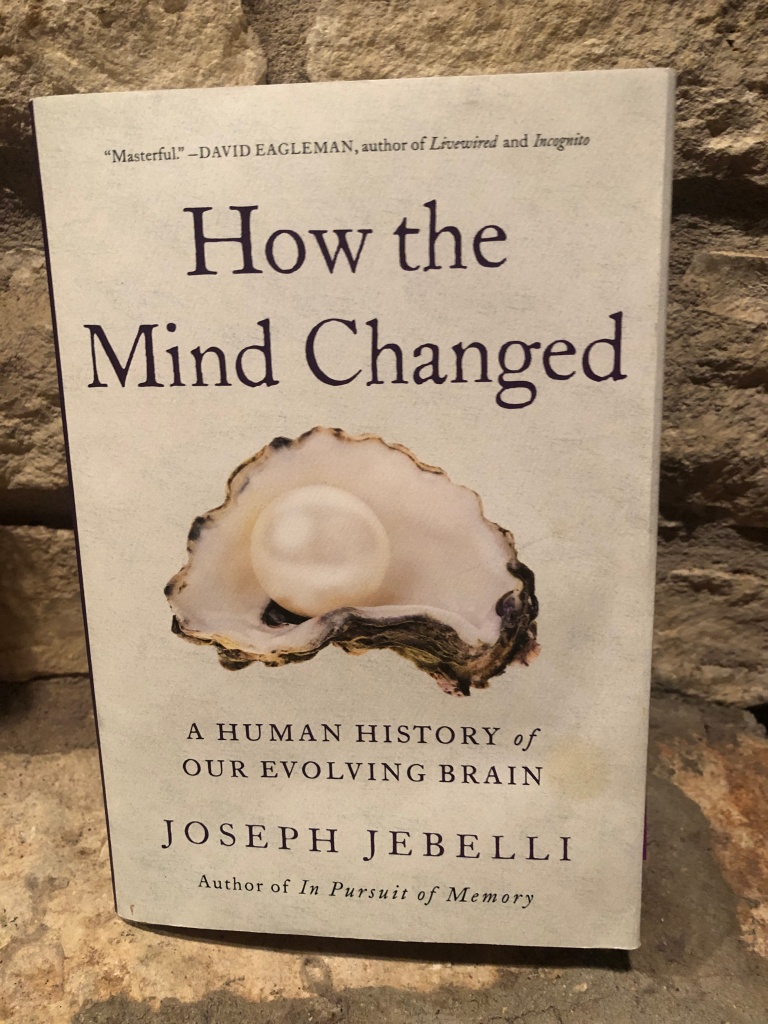
Reportedly one writing instructor has suggested that authors “include smell on every page.” These two mystery writers don’t obey that injunction (do you know any who do?). But why is scent so critical for us? Apparently the amygdala (a paired structure, with one in each temporal lobe) “developed from our most primitive sense—the sense of smell.” Joseph Jebelli, How the Mind Changed (Little, Brown, Spark, 2022, at 30). It’s near the olfactory nerve which is why scents connect strongly to emotions and memories. https://my.clevelandclinic.org/health/body/24894-amygdala

What scents spark your own memories? If a book mentions honeysuckle on a summer day, I might remember my grandparents’ front porch in Itasca, Texas, and how we learned as kids to suck nectar from a honeysuckle blossom. What pops up for you when a book mentions lavender? Or clean sheets? Baby powder? Or iodine, rubbing alcohol, band-aids? Marshmallows toasting on a stick? Pine straw underfoot? The first ocean breeze when you hit the beach? Does a book feel richer to you when your own memories are awakened?

What about the scent of January? Today’s the coldest day of 2024 so far, here in the Hill Country. Inside – hot tea: mint, chamomile, green, or  maybe ginger slices, with honey and lemon. Outside, cedar burning in a neighbor’s brush pile.

Resolution 3: Character’s thoughts (and feelings)! In Treasure Hunt Camilleri includes a hilarious italicized interchange between Montalbano (called “Montalbano One”) and “Montalbano Two” where Montalbano Two criticizes Montalbano One’s case-handling as showing signs of deterioration, of “losing his cool,” highlighting Montalbano’s own concerns about aging. (18-19)

Camilleri also uses other techniques to put us in Montalbano’s head. Here’s one from Rounding the Mark, where, again, Montalbano’s worrying about getting older:

“As he was shaving, the scenes of the previous evening on the wharf ran through his head again. Little by little, as he reviewed them with a cold eye, he began to feel uneasy…. There was something that didn’t jibe….He stubbornly played the scenes over in his head, trying to bring them more into focus. No dice. He lost heart. This was surely a sign of aging. He used to be able to find the flaw, the jarring note…without fail.” (61)

Camilleri lets his character feel. When a small boy is kidnapped from north Africa by sex traffickers and escapes on the pier in Sicily, Montalbano  returns him to his “mother,” not understanding she isn’t his “mother” at all. When the little boy is killed Montalbano visits the morgue:

“He lifted the sheet with one hand…and froze. A chill ran down his spine. It all came back to him at once: the look the little boy had given him as his mother ran up to take him back….he hadn’t understood that look. Now…he did. The little eyes were imploring him. They were telling him for pity’s sake, let me go, let me escape. And now…he felt bitterly guilty…He was slipping. It was hard to admit, but true… “(84)

In contrast, Cormoran Strike is more inscrutable, more unwilling to reveal his emotions, perhaps even to himself. Galbraith describes Strike as a “mentally resilient man” who tries but sometimes fails to control emotion. One of his tools “was a habit of compartmentalization that rarely failed him, but right now, it wasn’t working. Emotions he didn’t want…and memories he generally suppressed were closing in on him…” As a consequence he was “brooding so deeply that he barely registered the passing Tube stations and realized, almost too late, that he was already” at his stop. (105) In one scene after visiting his sister Strike starts home feeling very angry at his dead mother, who died of an overdose when he was nineteen. Galbraith then uses italics for Strike’s mental attack on her: “If you hadn’t been what you were, maybe I wouldn’t be what I am. Maybe I’m reaping what you sowed, so don’t you f*king laugh at the army, or me, you with your paedophile mates and the squatters and the junkies…” (106) These passages show the reader Strike’s painful upbringing and may partially explain his need (and ability) to compartmentalize—both, ironically, key to his later success.

Strike drinks, smokes, has sex, but almost in the same way as he gulps down fast food. Food seems temporarily satisfying, but not a life pleasure. Early on we become aware that the strongest sensation Strike is described as experiencing is the pain of his stump, and the relief he experiences when he removes his prosthetic. In his compartmentalization of his emotions, has he replicated this binary condition? (No spoilers here!)

Resolution Four: The Weather! Camilleri and Galbraith’s characters don’t always focus on weather, but here in the Texas Hill Country we must take notice. It’s too cold (like today), too hot (pretty soon), too wet (spring rain bombs and dangerous low-water crossings), or too dry (like last summer’s dreadful drought). Blessings on March, which will bring bluebonnets and the ethereal prairie celestial, then wine cups, with the pink of redbud and Mexican buckeye to rejoice the eye. But weather’s definitely a factor in upcoming Book 9 of the Alice MacDonald Greer Mystery series. Watch for it—coming soon!