Wine-Dark Sea or Purple Ocean?

Jo Nesbo 005

hutto oct. 1 2014 023 (2)By Gale Albright

Are translators poets? In the séance of life, are they the disembodied spirits who speak not beyond the grave, but beyond the language barrier?

I’ve always had a problem reading translated works. The problem being I wouldn’t read them. I figured I just wouldn’t get anything worth while. To coin a phrase, I thought everything would be lost in translation.

I was wrong.

To begin with, think how much knowledge, beauty, and experience I was missing. If Europeans followed my example, I assume no German or Frenchman would have ever heard of Shakespeare. They would say “Who’s Hamlet?”

See, I was so wrong.

Without talented, inspired translator Robert Fitzgerald, how could we thrill to phrases such as “rosy-fingered dawn” or the “wine-dark sea” in Homer’s Odyssey?

Someone else might have said “the ocean which has a purple shade somewhat like Chianti,” or the “sun rose with little pink things reaching out like tentacles to the sky,” or some such.

And there’s another point. Just any old translator won’t do. Surely the translator, to capture the essence, the heart and soul, the very being of the language and feeling and evoke the right responses in readers in a totally different language and cultural context, must be an artist himself.

http://www.poetryfoundation.org/bio/robert-fitzgerald

And then there’s the slang, for heaven’s sake. Supposedly, Americans speak the same language as do the folk in the United Kingdom. But I had to stop watching Red Riding with one of my favorite actors, Sean Bean, because they might as well have been speaking Urdu, and I lost about 75 percent of the story. The same holds true for novels. They are full of local slang and colloquialisms. For example, Tana French writes in English and is a great writer, but her characters in the Dublin Murder Squad are always “taking the piss.” It’s not what it sounds like. From what I could gather, it means being teased or set up for a joke. So, suppose Tana French were not writing in English. Say, she was writing in Norwegian. And wrote down whatever the Norwegian police jargon for “taking the piss” is. Now you need a translator who is expert in English and Norwegian who can find a way to take local slang and make it accessible to English-speaking readers.

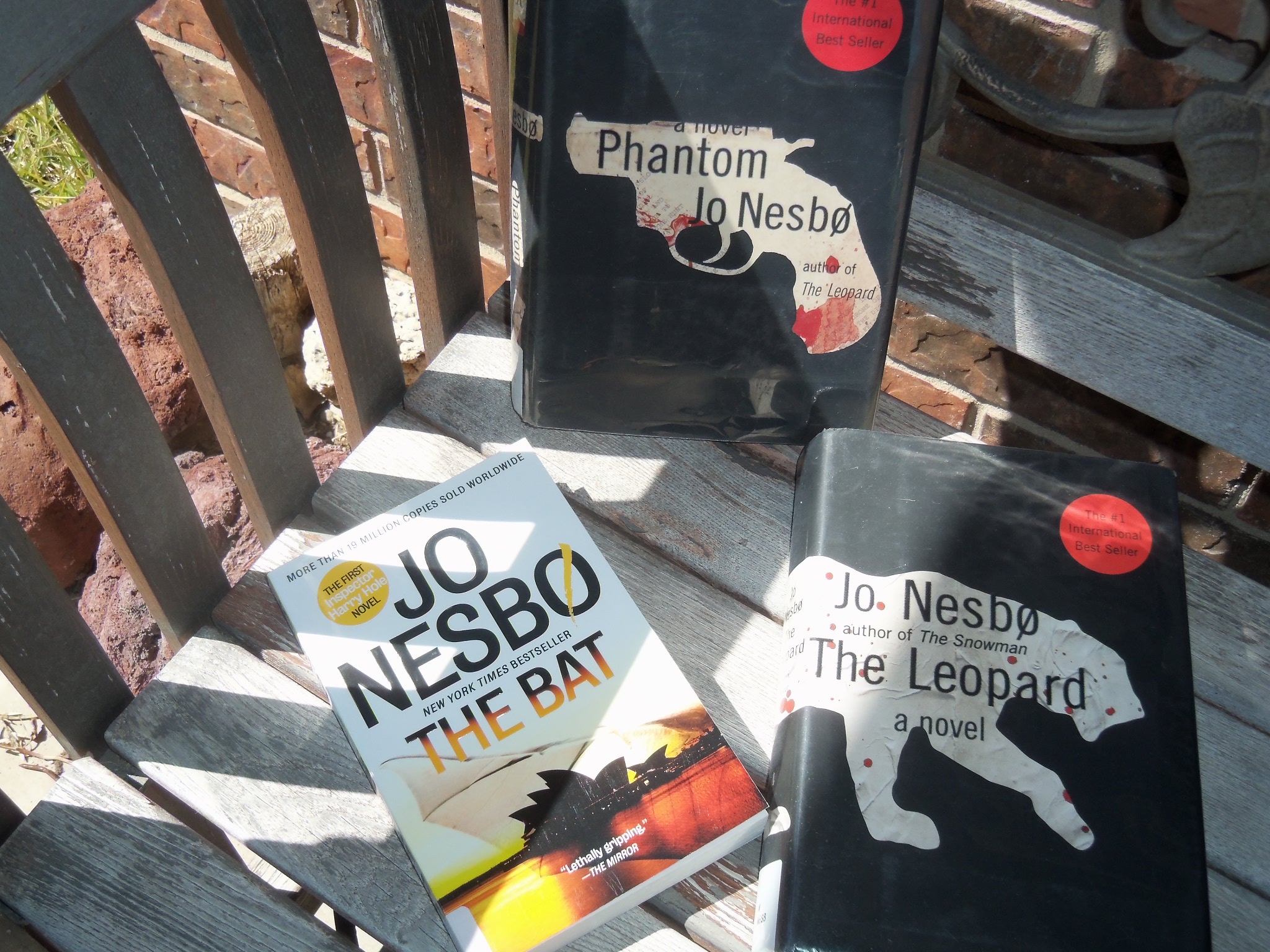
Take being separated by an uncommon language, trying to show English-speaking readers the heart and troubled soul of Harry Hole, Norwegian off-and-on-again reformed alcoholic, opium head, investigative genius, and jazz enthusiast and getting it right. Hitting my heart with the right arrow, where the words on the page take me on a flowing ride and where I care about these people named Oleg and Rakel. I get the humor that people who play tennis in Norway are regarded as dangerous because they’re not skiing.

Harry Hole has a friend, a genius forensic officer, a homegrown “hillbilly” who wears handmade suits ordered from Nashville, collects rockabilly records, and wears Rastafarian hats. I love this character.

Who makes it possible for me to love Harry Hole? Don Bartlett.

 http://www.worldliteraturetoday.org/translating-norways-love-literature#.VWsyepVFCic

 Yes, Don Bartlett, a denizen of the UK who has obviously been everywhere, examined everyone in every language, taught everyone, and translated everything. He translated all ten of Norwegian crime fiction writer Jo Nesbø’s Harry Hole novels into English. How does a British non-native Norwegian speaker manage to show me the tortured people of Oslo, which seems to be rife with serial killers, damaged detectives, and messed up relationships? He puts me inside the head of a crooked detective known as “Beavis” from boyhood because he has an under bite and a horrible laugh like the cartoon character. Or Harry, who is lovable, horrible, crazy, brilliant, funny, and out of control. The novels are scary, sometimes grisly, funny, and full of wry observations about Norwegian culture.

So, how much is Don Bartlett and how much is Jo Nesbø?

I don’t read Norwegian, so how do I know that whatever I read on the page is what Jo Nesbø means to say?

Is the translated crime novel a baby being ushered into daylight by a midwife translator, or is the translator more of a surrogate parent than a mere midwife?

I don’t know the answer. I just know I love these books. Maybe it’s magic.

http://en.wikipedia.org/wiki/Jo_Nesb%C3%B8


That Would Make a Pretty Good Story

When Howard was four, he and his baby sister were playing in the living room, while his mother and his grandmother sat at the kitchen table just around the corner. A few days before, while staying with his grandmother, Howard had said something cute–he did that a lot–and today, over coffee, his grandmother told her daughter about it.

Immediately after Grandma finished the anecdote, Howard piped up from the other room, “That makes a pretty good story, doesn’t it?”

That’s a four-year-old thinking like a writer. Thinking, in fact, like James Thurber, who filled entire books with cute things. Thurber said this about his works in progress:

“I often tell them at parties and places. And I write them there too….I never quite know when I’m not writing. Sometimes my wife comes up to me at a party and says, ‘Dammit, Thurber, stop writing.’ She usually catches me in the middle of a paragraph. Or my daughter will look up from the dinner table and ask, ‘Is he sick?’ ‘No,’ my wife says, ‘he’s writing something.'”


Writers never stop writing. We may be immersed in experience and emotion, and at the same time be standing outside ourselves, thinking, That would make a pretty good story.

For the purposes of this post, I’m now going to tell a brief story. When you finish reading it, there will be a test:

A couple of weeks ago, I was riding the Washington, D. C. Metro, going from Reagan International Airport to Bethesda, Maryland, for Malice Domestic, a convention at which fans and authors celebrate the traditional mystery.

My plane had arrived late. Darkness had fallen and seeped into the rail tunnels. Signage was… lacking. I couldn’t see names of the stops, nor could I understand the voice announcing them.

I’d already wasted time by taking the YELLOW LINE instead of the BLUE LINE, because, on impulse, I decided my way would get me to the RED LINE just as easily as the BLUE LINE would. And it would have, if the YELLOW LINE I boarded hadn’t been going the wrong way. If I missed my stop now, there was a distinct possibility I would have to sleep on the Metro, which is considered taboo.

Now, each Metro car has one map beside one of the doors. At a stop near mine, I decided to move to the front seat so I could see and count the stops preceding mine. I rose, pushed my humongous suitcase into the aisle, and somehow managed to position it between me and the front of the car. So I pulled up the handle and tried to turn the case so I could roll it behind me. At the same time, I tried to exchange places with it. I think.

That is when the suitcase attacked me. Rocking back and forth, it threw me off balance, and I fell backward, full length, into the aisle. On the way down, I thought, I’ve never fallen this direction before. Then my bottom hit, and after that, my head.

When I realized my head would hit the floor, I had a nanosecond of worry, but I hardly felt the impact. That surprised me, because my head is protected by far less padding than is my bottom. It was such an easy fall, very much like lying down in the aisle, without knowing you’re going to.

End of story, almost.

Here’s test question #1: How does this not-so-pretty-good tale about a train ride relate to thinking like a writer?

Because when no one ran to help me up, and I realized I was alone, surrounded by dark, unfamiliar territory far from home, where anybody and his mean dog could enter the car at any time… I lay in the aisle, smiling, gazing at the ceiling, and thinking, This will make a pretty good story, won’t it?

Unfortunately, this obsession–the word is an exaggeration, but sometimes it feels like obsession–with story isn’t necessarily welcome… because we can’t switch it off. It follows us into the sickroom and stands with us at the graveside and makes us feel ashamed, because one small corner of our minds is nearly always detached, removed from real life, observing, remembering, writing. 

We speak about the subject among ourselves. But when we speak about it to non-writers, we concentrate on the lighter side. The other part we prefer to leave in darkness.

Only the relative anonymity of the blogger allows me to write about it here.

Test question #2: Do you write all the time? Do you know when you’re not writing? Have you had an experience that would make a pretty good story?

 ***

Note: Imagine the child in the portrait above with blond hair… That would be Howard.

Note: Metro riders who knew where they were going were so very helpful in assuring me that, yes, the YELLOW LINE would stop at Gallery Place. I think I asked at least a dozen of them over the course of the evening. A transit worker carrying a broom yelled at me, but I’m sure he was doing the best he could, bless his heart. I am sorry to say I raised my voice a couple of decibels in return (righteous indignation), but, bless my heart, I was doing the best I could, too. It’ll probably make a pretty good story.

***

You can read Kathy Waller’s personal blog here, and once or twice a month she posts at Writing Wranglers and Warriors.

Kathy

Kathy

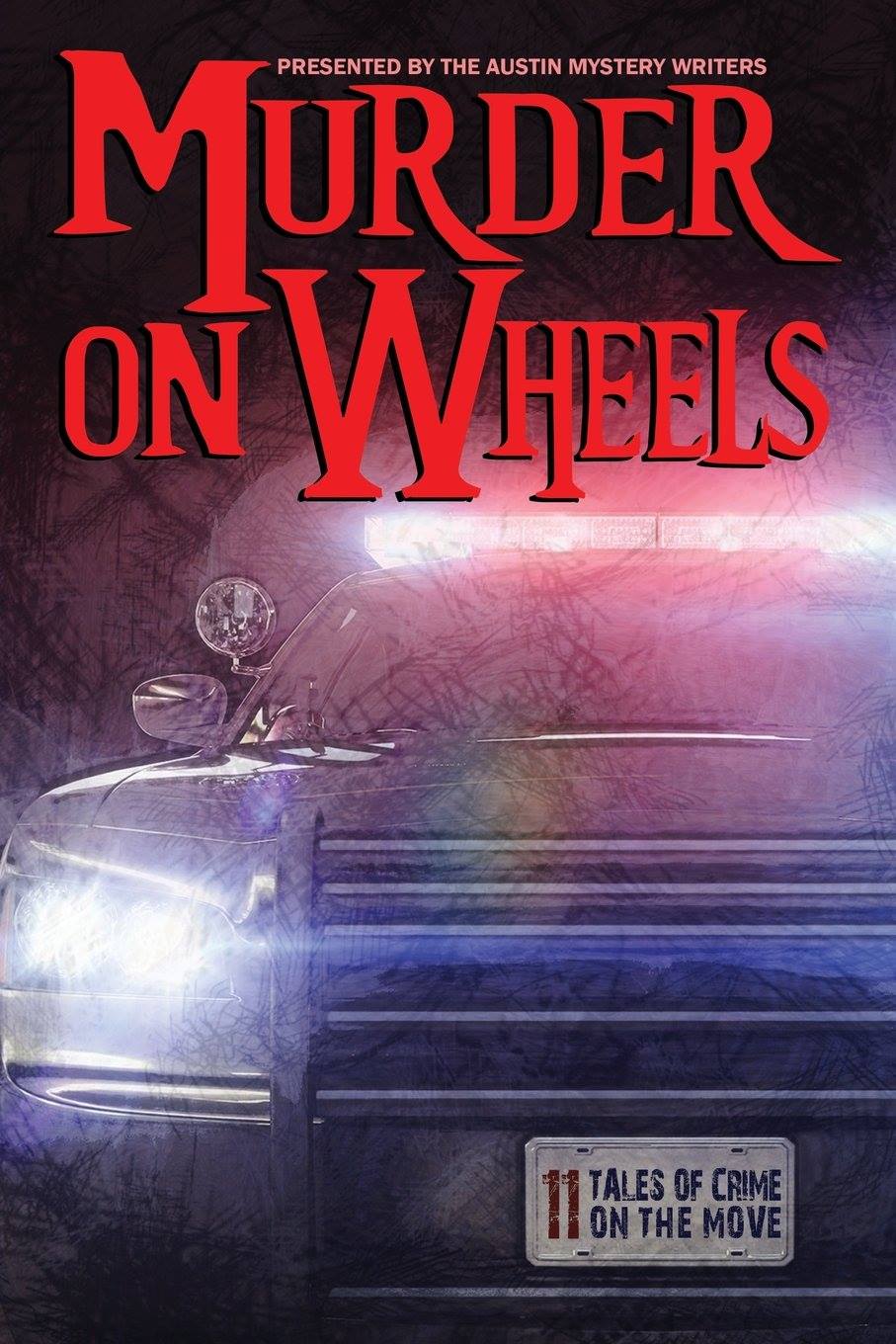
Two of her stories appear in AMW’s MURDER ON WHEELS, published by Wildside Press and available at Amazon and Barnes & Noble.

Our anthology!

Our anthology!


Faith Amid Doubt

Ever have doubts about your capabilities? I think we all have. (Except for maybe a few oblivious people out there.) But doubt and fear are normal reactions when it comes to how we feel about our own artistic expression, including writing.

The older I get, the more I see how things are connected. We draw upon previous experiences to prepare us for new ones. In this case, since I’m fairly new to writing, I often find myself comparing writing to making music. I’ve been singing since I was eight, playing piano since the age of nine, and playing in band since junior high. So I have a lot of experiences to draw from. (I won’t tell you how many years. Let’s just say it’s many decades!)

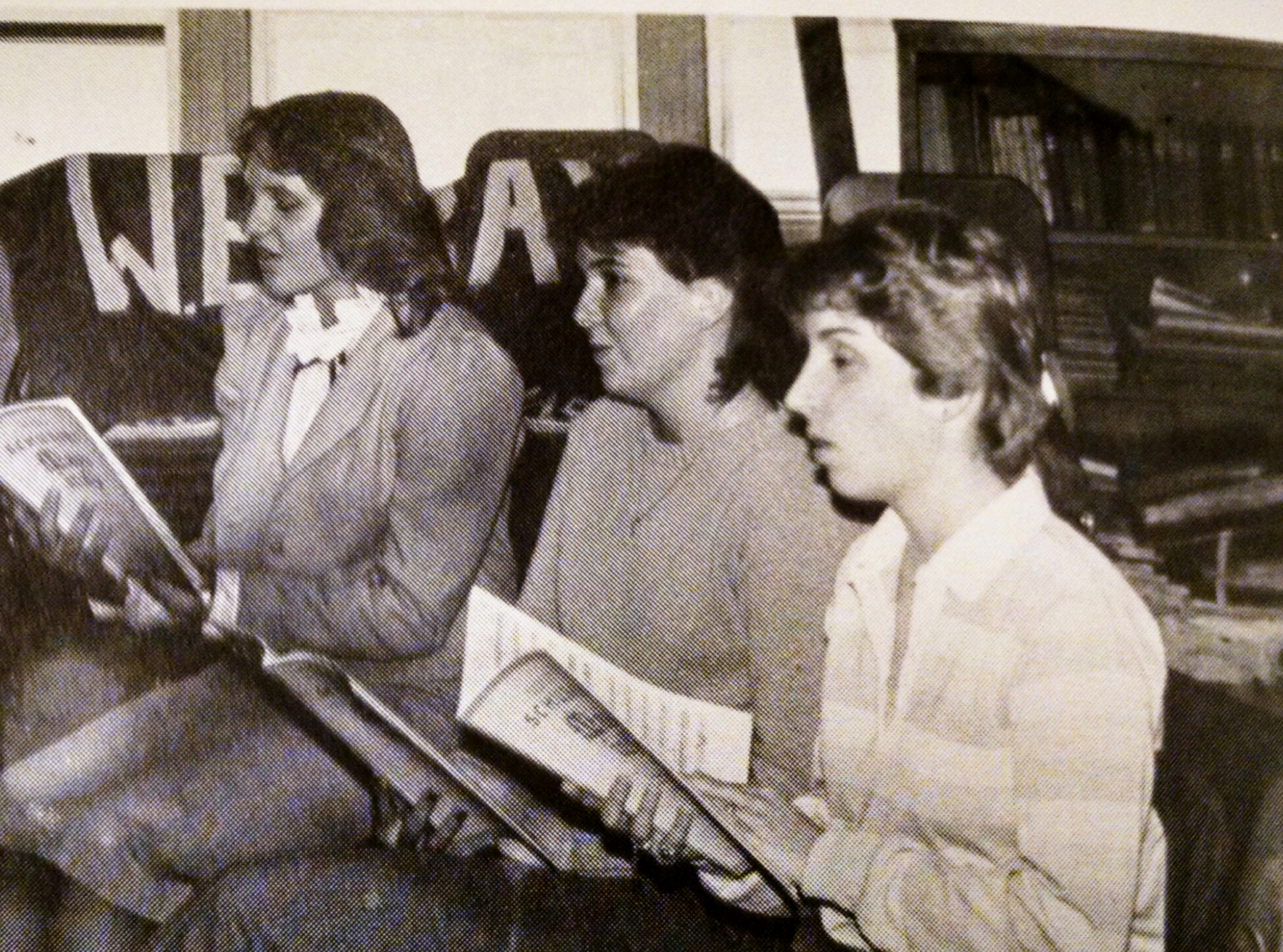
Now I’m not an excellent musician. I’m good at sight-reading choral music and the technical aspects of music. (That was the only way I made it to Area in the state competition in choir in high school. I beat out singers with better voices because of smarts instead of talent.) I’ve sung solos and played instrumental solos. I’m okay, not great. I know my limitations.

Me on the right.

Me on the right.


But there are some people, the happy oblivious ones previously mentioned, who have absolutely no idea that they are bad. God bless them, they often are the most dedicated and enthusiastic participants, but they have no idea they stink. (I know that’s rude, but it’s true and we all know it.) So here’s the doubt mentioned in the title–Sometimes I think, “Am I one of those people?” I honestly have to ask myself that question from time to time. I don’t think I am, but I think it’s a healthy question to keep myself in check.

So since writing is a lot like music, there are those who stink and those who are good. (Don’t get yourself in a kerfluffle. We all know there are writers who stink.) So as I’m going down this path of choosing writing as a career, I’m wondering how am I doing? I know there is a lot of room for improvement, but am I one of the oblivious? Do I stink and no one is willing to tell me? I think my true friends are honest with me. I hope so, because I can’t improve if I don’t know!

Got to have rocking hair if you're a drummer!

Got to have rocking hair if you’re a drummer!

On the other side of this coin, there are people who, no matter how much they practice, no matter how good they are, they’re still afraid of not measuring up. Boy, do I fall into this category. I get tremendous stage fright. It’s not uncommon for me to get sick to my stomach, sweat, or get heart palpitations. I used to cry and I’ve even blacked out before. Thank goodness I’ve at least got that under control! I’ve had people ask me, “If all of these things happen to you? Then why do you subject yourself to such torture?” The answer is, I’m compelled to. I have to. If you’ve ever been a part of something wonderful, that’s bigger than the sum of the participants, you’ll know what I mean. It’s a bit addictive but I think of it as a spiritual. It’s like you’re making magic, honestly. And who doesn’t want to make magic?

And speaking of performing with others, have you ever performed with outstanding musicians? They make the experience a joy. And of course they you make better because you usually perform better to match them. Well we, at Austin Mystery Writers, have put together an anthology and invited some of our friends to contribute. I think they raised the

Our anthology!

Our anthology!

bar for us and we delivered. Sometimes I have my doubts about the quality of my story, but I also have faith it’s pretty good and I’m getting better. So I have faith amid my doubts and I’m moving forward, enjoying the experience, and making magic. And as always, practice, practice, practice, practice.

Murder On Wheels is available on Amazon and Barnes and Noble. The ebook version should be available soon. 

Murder in the Far East

Elizabeth BuhmannBy Elizabeth Buhmann

Continuing the series, Murder in Exotic Places.

The digital image below hardly does justice to the exquisite jacket on Keigo Higashino’s most recent murder mystery, Malice. I paid top dollar for the hardcover because it was just so beautiful. Loved the book, too, a murder mystery set in modern-day Japan.

maliceI liked Malice enough that I also read The Devotion of Suspect X, a major bestseller in Japan a couple of years ago. And WOW!!! The best, most ingenious murder plot EVER. Sorry to shout, but seriously, this plot is one in a million. Move over, Agatha. Really. What a murder!

Shinju, by Laura Joh Rowland, is first in a series of more than a dozen detective mystery/thrillers set in 17th century Japan, in the days of Samurai and the corrupt, cutthroat, intrigue-ridden court of the Shogun Tokugawa. Rowland’s detective, Sano Ichiro, is one of the most admirable and lovable protagonists ever. Shinju, about an apparent ritual suicide between two star-crossed lovers, was almost too unbearably suspenseful for me!

ookaI cut my teeth as a mystery lover on the Tales of Ooka, Solomon in Kimono. The books I read as a child in the 1950s, by IG Edmonds, are hard-to-find collector’s items now. The character of the wise Judge Ooka is based on a real 17th century magistrate, Ooka Tadasuke, who rose to fame and high position with his famously wise and fair administration of justice as well as his incorruptible character.

A favorite Ooka story: the case of the stolen smell. A rich, miserly restaurant owner complains that a poor student is stealing the smell of his food. He wants to be paid! Ooka hears the case and demands that the student produce all the money he has. It’s only a couple of coins. Ooka tells him to drop the money from one hand to the other, then rules that the merchant has been paid for the smell of his food by the sound of clinking coins.

calamitousShamini Flint is an attorney who lives in Singapore and has traveled extensively in Asia. Her mysteries are set in India, China, Singapore, Bali  and Malaysia. I loved them all! I will suggest starting (as I did) with the one set in China: A Calamitous Chinese Killing.

Speaking of China, and if you like characters based on real-life historical figures, Robert Van Gulik’s Judge Dee series is a must-read. Dee was a seventh century Chinese magistrate (read about him in Wikipedia). Here is the Amazon list of the Judge Dee books.

lakebell

mazedee

The Celebrated Cases Of Dee Goong An is an honest-to-goodness 18th century Chinese detective novel based on Dee’s legendary career. The book was translated by Van Gulik (who was quite the Sinologist). His foreword about early Chinese detective fiction is fascinating. Many features of these books (the supernatural elements, the torture, their length) make them a tough read for the modern and/or Western reader. And in fact, what I recommend is that you read Van Gulik’s own Judge Dee novels first, rather than this one.

chanI’ll close with a cheat and a post-script. The cheat: Charlie Chan! A cheat because the books are not set in China, and Earl Derr Biggers had nothing to do with China. The House Without a Key is set in Hawaii, but at least Charlie is Chinese. Charlie Chan is not as well known as he once was (read about the books and films). I say he’s due for a revival.

Finally, a postscript to last month’s Murder in Africa. At the time, I had just picked up a novella by Kwei Quartey. When I finished that I tried his Darko Dawson series, and I must add it to the Murder in Africa list—love this series! The first book is Wife of the Gods. I guarantee that you will go looking for the rest of the series after you finish it. Dr. Quartey, I am anxiously awaiting the next book!

For more murder in the far east:

Elizabeth Buhmann is author of Lay Death at Her Door, and Amazon Top 100 Bestselling mystery about an old murder that comes unsolved when the man who was convicted for it is exonerated.

Confessions of a Workshop Junkie

by Gale Albright

My name is Gale and I am a workshop junkie.
Yes, I confess it freely. I love to attend workshops and take copious notes. That’s how it started out. But it’s a slippery slope. Now the addiction has escalated to organizing workshops. I’m standing on shadowy street corners, outside book stores, tempting the innocent to “Come hear the authors. Come to the workshops. It won’t cost you a thing…except your soul!!!”
Well, not really. Maybe I’m in denial, but if you love listening to writers talk about how they write, how they got published, and how they create memorable characters, it’s already too late for you. You are lost.
You are a writer. You are a reader. There’s no cure.
So join the other lost souls and come to a fabulous all-day free mystery writing workshop at BookPeople at Sixth Street and Lamar Boulevard on Saturday, May 23. There will be free door prizes, free parking, and free workshops. Who could ask for anything more?

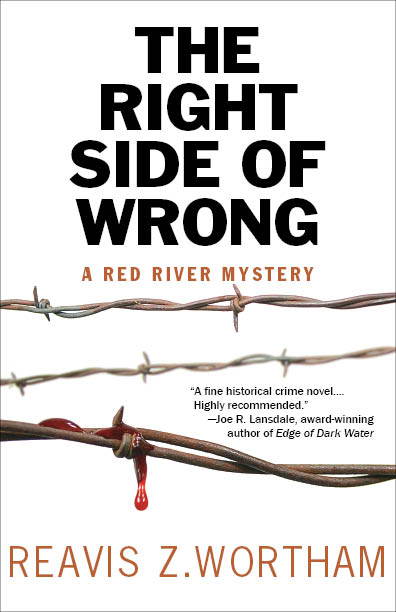
Reavis PhotoReavis Wortham, author of the Red River mystery series, is the first workshop speaker. He will discuss “the things an author learns once the manuscript goes into production, including those irritating proofs, writing tips, (cut those adverbs), bad habits, overused words, marketing, and how to up your game once the book is out. Is it a good idea to go to conferences? Do I need to network? Where to pitch a story to an agent (and not in the bathroom), and even where to write and edit.”
Kirkus Reviews listed his first novel, The Rock Hole, as one of “the top mysteries of 2011, written to the hilt and harrowing in its unpredictability.” Burrows, and The Right Side of Wrong have received critical acclaim from Publishers Weekly and The Library Journal.

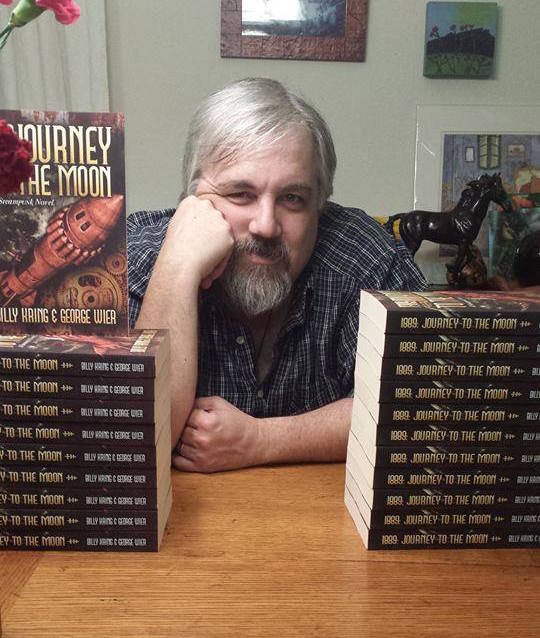
George WierGeorge Wier presents the second workshop, which will be about editing, or as the author says, “Without Mercy: The alternative to hiring a contract killer—why the author should be his or her own best editor.”
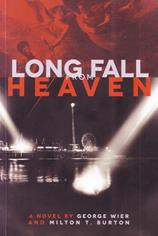
George Wier wrote the Bill Travis Mysteries and co-authored Long Fall From Heaven (2013, Cinco Puntos Press). He writes principally mystery and science fiction. 1889: Journey to the Moon, co-authored with Billy Kring, was his first steampunk novel. The sequel, 1899: Journey to Mars was released in February 2015. His newest standalone mystery, Murder In Elysium, was released in March.

Les EdgertonOur third author, Les Edgerton will present a workshop on protagonists and antagonists. He’ll be “introducing what may be a new concept to some writers—that thinking of protagonists and antagonists as heroes/heroines and villains/bad guys may be preventing the writer from creating complex characters and complex novels by viewing characters in moral terms (good vs. evil), resulting in one-dimensional, cardboard, cartoonish characters.”
Les Edgerton is a full-time writer and writing teacher. His eighteenth book, a black comedy crime caper, titled The Genuine, Imitation, Plastic Kidnapping came out in October from Down & Out Books. He has been nominated for or won numerous awards, including the Pushcart Prize, the O. Henry Award, the Derringer Award, Jesse Jones Book Award, Edgar Allan Poe Award (short story category), and the Violet Crown Book Award.

SATURDAY, MAY 23 SCHEDULE

10 AM–REAVIS WORTHAM
11:30 AM–LES EDGERTON
2 PM–GEORGE WIER
3:30 PM–PANEL DISCUSSION

BOOKPEOPLE THIRD FLOOR
603 N. LAMAR BLVD., AUSTIN, TX

FREE PARKING
FREE WORKSHOPS
FREE DOORPRIZES
COME FOR AN HOUR OR STAY ALL DAY

CO-SPONSORED BY BOOKPEOPLE AND
SISTERS IN CRIME: HEART OF TEXAS CHAPTERlong-fall-from-heavenLansdale cover

BookPeople picPageflex Persona [document: PRS0000037_00028]

Want a Master Class in Storytelling? Tune In…

Vintage radio

What’s old is new again.

Welcome the new age of the podcast.  Many people compare podcasts to online radio, but they are different in that podcasts are recorded in advance and then ready to be listened to at your convenience. Podcasts, which have been around since about 2004, have been quietly plugging along in the background with little growth and not much buzz.

All that changed with Serial. Serial, a podcast produced by This American Life that turned into an obsession for many, chronicled an investigation of a fifteen year-old murder case (you can read my review of Serial here). It quickly became the fastest downloaded podcast on iTunes ever to reach 5 million listeners.

While a compelling listen is always a a good way to spend your time, listening to poorly-executed podcasts can be just as valuable as listening to outstanding ones. You can pinpoint when your attention is captured and when it wanes.   By listening to both ends of the storytelling-prowess spectrum, you can learn how to analyze your own project based upon your response to listening to other programs.

I suppose I am a bit nostalgic for that previous radio era, a time that had come and gone before I was even born. That said, this isn’t your granddad’s radio hour. Today’s long form storytelling podcasts are skillfully structured combining current techniques and an understanding of today’s listeners. They cover topics ranging from true crime and current events to the more nebulous but compelling topics. What does it mean to be happy and is chasing happiness really the answer? What happens when people are put in positions that are far out of their expertise? Why do people say such hateful things on the Internet? Each of these topics is tackled with a depth and skill guaranteed to keep you listening until the very end.

The master of this domain, in my opinion, is This American Life, with its substantial catalog of interesting episodes all crafted under Ira Glass’s gifted guidance. And, although I had heard of TAL, I never listened consistently until getting hooked on Serial.

I had no idea what I was missing.

So, storytellers, consider tuning in and downloading an episode or two the next time you go for a walk, a run, or a drive. Apple’s Podcast app is simple to use and there are also several options for listening on Android devices as well. Here are a few podcasts I hope you will consider:

radio_microphoneLaura’s Podcast Recommendation List:

Serial:

This is the one that started it all for me. The investigation, handled deftly by Sarah Koenig, will keep you downloading one episode after another, causing you to ignore phone calls, dishes and possibly even your children.

serialpodcast.org

This American Life:

TAL is the wise and skilled parent of Serial, and many agree that they are masters of long form storytelling. Some of my favorite episodes include:

The House on Loon Lake, Episode #199: Described by TAL as a “real life Hardy Boys Mystery,” it’s the tale of what happens when a boy discovers an abandoned house and decides to find out what happened to the people who lived there.

Dr. Gilmer and Mr. Hyde: Episode #492: When Dr. Benjamin Gilmer lands a job working in a small clinic, he discovers he is replacing another doctor…also named Dr. Gilmer. The previous physician was serving time in prison for killing his own father, an act that those who knew the family couldn’t believe. As it turns out, there was far more to the story.

If You Don’t Have Anything Nice to Say, SAY IT IN ALL CAPS: Episode #545. Act I of this episode broke my heart. What happens when someone hides behind their anonymity on the Internet, bullying you and saying hateful things? One writer decides to confront her attacker–with surprising results. Note: This episode has some explicit language but there is a ‘bleeped’ version on TAL’s site.

Criminal:

This true crime podcast keeps things short and sweet, introducing a 20-30 minute episode monthly. My favorite episode chronicles Raymond Chandler fans–seventy-year-old newlyweds– working diligently to get something extremely important to Chandler back to where it belongs. A must for Chandler and mystery fans:

http://thisiscriminal.com/episode-thirteen-the-big-sleep-12-19-2014/ 

Startup:

This one caught my attention because it chronicled a man starting an Internet startup. As someone who has been involved with a company going through investment funding and working on pitches and PR during the tech bubble, I found this one hit close to home. In a surprising twist, it also shows the challenges of starting a new tech business while trying to raise young children, giving it a more layered narrative and one that is far more compelling than a simple launch story. Not mystery based but great storytelling in a contemporary and intimate format. Side note–Alex Blumberg was a former TAL producer and left to start this company.

http://gimletmedia.com/show/startup/

LRO-sanfran–Laura Oles

The Writing Process: The Wisdom of Darrell Royal and Lessons from a Jack Russell Terrier

Most people don’t believe it, but I was almost thirty years old, and had been teaching English for seven years, when I discovered I possessed a writing process. I learned about it in a special summer program for teachers of English at the University of Texas – Austin–the Hill Country Writing Project.

Author Anna Castle addressing SINC ~ Heart of Texas Chapter, March 2015

Author Anna Castle addressing SINC ~ Heart of Texas Chapter, March 2015

A certain writer of fiction for middle grade who spoke at the Texas Library Association’s Bluebonnet luncheon several years ago was even older than I when she found out about hers. I won’t mention her name, although I’ve just discovered she lives in Austin and am wondering whether she might accept an invitation to speak at one of my Sisters in Crime chapter’s meetings–But I digress.

This author said children she met at school visits started asking, “What is your writing process?”  When they explained to her what that was, she thought a while and then described it in roughly the following way:


Hit the alarm button, roll out of bed, throw on robe, drag out of bedroom, bang on son’s door in passing, go downstairs, make coffee, pile dirty towels in hall, bang on son’s door and yell “Get up,” dress, put towels in and start washer, go to office, turn on computer, inhale coffee fumes until eyes open, pull up file, stare at monitor, drink coffee, stare some more, check on son . . . 

This author’s process isn’t exactly what the UT scholars meant but it’s worked for her through nearly sixty books (the last time I counted).

About a month ago I reviewed my own writing process–I’d been trying and failing to complete (which means I couldn’t even begin) a 100-word story for Friday Fictioneers, and I believed analyzing my process might offer insight into the source of the problem. I did my best to remember how I had written the first three short-short stories, which had practically composed themselves.

The next three paragraphs provide a rough description of what went through my mind as I wrote those stories, which were based on picture prompts. I’ve included links so you can see the pictures and also, if you wish, read the final versions of the stories.

The second story: “Lovestruck.” Prompt–picture of old boat. Know nothing about boats. Grandfather’s old wooden boat on river. Friend’s husband surprised her with boat; she wasn’t pleased. Husband and wife. He wants boat. She sees flaws, thinks he’s crazy. He sees possibilities. Probably unrealistic. She’s patient. He doesn’t listen? What’s the end? Oh–he loves the boat–a love affair, name boat. No, lust. Ending? ???Too long. Quote Coleridge–develops wife’s character, she reads. Oh–have him intro boat-girlfriend to wife–first line–hook reader. Ending? Cut more. Oh–she wants something, boat is leverage–imply–end? suggest they look at–what?–sewing machine. She wants him happy–but–what’s good for gander. Both smiling. Cut.

The third story: “‘Shrooms.” Prompt–picture of mushrooms. What the heck I do with that? Poisonous. Lord Peter Wimsey–victim killed w/ deadly Amanita. Wife cooks mushroom gravy–End, poisons husband. How trite. Keep them talking about mushrooms. Tease–he won’t eat mushrooms, never does. Afraid of mistake–toadstools. She picked them. Husband–horrified! Create character, aunt–knows mushrooms–helped pick. Okay. Tastes, yum. Aunt pops in–new glasses–poor vision picking mushrooms–imply. End ambiguous. Accident? What did husband eat? Whimsy, understatement–Might want to spit out. Not trite.

First story: “Nothing But Gray.” Prompt: Man looking out window at courtyard? stone walls on all sides, no visible exit–b&w except for pot plants, red flowers. Boxed in, trapped, stone, gray. Start–boy, not man, place him staring out, gray stone, his POV. Easy–put him at window. Consider table, 4 plates, one boy. Guests for dinner? A brother. Mom comes in. Gray. Death. Mom in denial. 4 plates. (Note: Really, I’m not sure how I wrote this. Serendipity. Started writing and tripped over a miracle.)

That isn’t exactly what the scholars meant either–they talked about pre-writing, writing, revising, editing, polishing, nitpicking,** things that can be taught in a formal classroom setting.

English: A whole and split Cadbury Creme Egg.

English: A whole and split Cadbury Creme Egg. (Photo credit: Wikipedia). By Evan-Amos (Own work) [CC0], via Wikimedia Commons

I’m talking about the process unique to the individual, the brain state during which neurons explode at the mere thought of outlining before you do anything else or outlining at all, the state during which you either eat five pounds of Cadbury eggs or handcuff yourself to the birdbath so you can’t reach the box. Or, the state in which you’re relaxed, productive, focused, enjoying the act of creation despite the confusion and uncertainty creation entails.

To be continued…

Join me for Part 2 to discover
the Five Truths of the Writing Process,
how to make your writing practice more effective, and
What Darrell Royal and a Jack Russell Terrier Have to Do With Anything

 *

  • Nitpicking isn’t an official part of the writing process, but some people throw it in anyway.
  • To become a Friday Fictioneer, read instructions here: https://rochellewisofffields.wordpress.com/friday-fictioneers-2/. Then check Rochelle’s main page for the photo prompt, here: https://rochellewisofffields.wordpress.com/ You’ll probably have to scroll down to locate the correct picture. The projected date of publication will be the title. The official publication date is the Friday after the Wednesday prompt announcement. However, as I understand it, that’s a Friday-ish deadline. If Friday is impossible, just put it online before the next prompt comes out. Any Fictioneers out there, please correct me if I’m wrong.

*

Kathy

Kathy

Kathy Waller blogs at To Write Is to Write Is to Write, and once or twice a month at Writing Wranglers and Warriors. Two of her stories will appear in AMW’s MURDER ON WHEELS, available soon from Wildside Press. Years ago, Kathy’s tongue got lodged in her cheek and she’s never managed to get it unstuck, so you can’t believe everything she says. Except about the writing process.

Neo-Noir?

I recently wrote to a friend and said, “Hey, next time you’re putting an anthology together, let me know. I’d like to contribute.”

He contacted me the next day. “Thanks for the idea! It’s all set. I’ve lined up all the writers and it’ll be Texas noir crime/mystery stories!”

What? That was fast. Noir? Images of James Cagney and Humphrey Bogart in trench coats came to mind. Now there’s nothing wrong with Cagney or Bogart. They were excellent actors who were in some great films. I’ve read some Raymond Chandler and he was very talented. He had a gift for unique metaphors that were brief and got right to the heart of the matter. I’ve never read Mickey Spillane but heard he was really good too. Lots of good writers of the genre out there.darkedinburgh_darklight

But, I’m not a fan of that type of setting. (Yes, I know. I heard your collective gasp. Please don’t throw tomatoes. Put down those pitchforks.) While there are some great stories out there, I’m not keen on men calling women “dames” and saying they have great “gams”. Not thrilled about guys punching other guys just to make a point that they’re tough. If I wanted to watch that, I’d have continued teaching high school.

I understand about noir and hard-boiled crime fiction, why it came about in America when it did. I have no problem with gritty books and movies, nor with the era. I’m a huge fan of Hitchcock, for example.

So now I’m thinking, great, what am I going to write? How am I, a kid from the ‘70s and ‘80’s, going to write about detectives swilling whiskey?

Put down my latte or I’ll give it to you right in the kisser!

I don’t think so.

I first started thinking about recent stories that were gritty. Surely there are modern (neo-noir?) stories. How gritty does it need to be? Aren’t crime/mysteries by definition dark? The only exception I can think of are cozies, but even sometimes they can be dark.

So I decided to do what I usually do several times a day. I Googled it. Apparently, according to Wikepedia, people can’t decide on the definition either. Then I fell back on my other source of information, my friends on Facebook. Since I have so many friends who are writers, this is a font of information. I received many good answers. A few of the recommendations were shows like the Longmire series and True Detective. Some of the books mentioned were The Bitch (yes, that’s the name), The Package by Cleve Sylcox, anything by Walter Moseley or Kelli Stanley, the Harry Dresden series, and an anthology called Lone Star Noir.lone star noir_

Okay, I think I’m getting there, closer to something that I could write. Dark stories, maybe like the Coen Brothers? I thought of Fargo, No Country for Old Men, True Grit, movies I really liked. Those had elements of crime and mystery. An idea popped into my head, something that I could really write. I’m sure some of the other writers for the anthology are wondering if a little housewife could possibly create something dark enough to fit in with their stories.

I think I’m up to the challenge.

So  how about you? Do you have a favorite story or movie that you consider to be noir?

Murder in Africa

Elizabeth Buhmann

MURDER IN EXOTIC PLACES, continued.

by Elizabeth Buhmann

Last month, I wrote about books set on the Indian subcontinent. How about books set in Africa? I have never been to Africa, but I’ve read Paul Theroux’s Dark Star Safari. The subtitle is “Overland from Cairo to Capetown.” Think about that for a minute. Not a journey for the faint of heart! But not one you have to make, because you can read a blow-by-blow that offers all the wit and keen observation of the most astute, acerbic and entertaining travel writer ever.

kenya

I loved that book, but I must have murder, and fortunately Africa is the setting for several outstanding detective series. Among the very best are Malla Nunn’s Emmanuel Cooper
presentdarknessnovels, set in South Africa during the 1950s, at the height of the Apartheid era. Malla Nunn is from Swaziland in South Africa and now resides in Australia.

All four books in her series are excellent. I started with the third, Blessed are the Dead, in which a young Zulu woman is murdered in the Drakensberg Mountains. This is a dark, gritty and well-plotted murder mystery with a fascinating geographic, social and political setting. I highly recommend it. Her latest is Present Darkness.

Botswanahouse

If you prefer light and delightful to dark and gritty, The Saturday Big Tent Wedding Party is a wonderful read. It’s the twelfth book in the No. 1 Ladies Detective Agency series sattentby Scottish author Alexander McCall Smith. The books are set in Gabarone, Botswana, and the main character is the wise and charming Precious Ramotswe.

You may already know about these books, since they have been wildly popular for more than ten years now, but did you know that there are fifteen books in the series? Here’s a checklist, so you can be sure you’ve read them all. The BBC/HBO television series captures the books perfectly, by the way; Season 1 is available on Amazon Video.

acarriondeathLess well known, and also set in Botswana, are the Kubu mysteries, by Michael Sears and Stanley Trollip, who publish as Michael Stanley. Both men were born in Africa and have traveled extensively there all their lives. Their lovable detective is the portly David Benga, affectionately known as Kubu (the Setsama word for hippopotamus). The series achieves a perfect balance between light humor and serious crime. A Carrion Death, their debut, is a good place to start.  There are four Kubu books altogether, plus a cook book.

But actually, if it’s African food you crave (and if you have ever tried African food, you surely crave it), try Jessica Harris’s Africa Cookbook, Tastes of a Continent. Babotie! Curried cabbage! Pigeon Pie! It takes all day to cook, and a village to eat, such a dinner!

zanzibar2

MM Kaye, you may recall from the first post in this series (Murder in Exotic Places) was born in India and lived there much of her life. After India’s independence, she followed her husband, a Major-General in the British Army, to Africa. There she wrote two more romantic suspense novels: Death in Kenya and Death in Zanzibar.

africacookbook

deathinkenyazanzibarlaydeath

I stumbled on MM Kaye’s mysteries when researching my own book, Lay Death at Her Door. My main character, Kate Cranbrook, is from Kenya, daughter of American ex-voyagerpatriates, and events from her teenage years in Nairobi reach across decades of her life to haunt her.

Finally, I have just discovered a series of mysteries by Kwei Quartey. I’m currently enjoying Death at the Voyager Hotel,  set in Ghana. I’m close to the end, and I don’t know whodunnit yet!

Next: Mysteries set in the Far East.

Planning Writing Events or I’ll get to the mystery part


portraits 004 (7)

By Gale Albright

ZZZZZZZZZZZZZZZZZZ.

It puts you right to sleep, doesn’t it?

Not necessarily. I’m one of those strange people who likes to plan and organize events, mostly involving writers and writing.

120px-Orson_Welles-Citizen_Kane1As a child I showed signs of being a producer-director. Move over, Orson Welles and David O. Selznick. I’d create my own radio plays, improvise the script, sound effects (old-fashioned wooden couch arms were good for making horse galloping noises), all the acting parts (animal and human), and commercial breaks.

David O. SelznickMy Uncle Ras brought me a lovely little theater set, complete with cardboard characters, all cunningly controlled with magnets manipulated underneath the stage. I spent many happy, drama-drenched hours producing shows. One of my best toys ever.

Many years ago, when people asked what I would do if money was no object, I said I wanted to own a regional community theater and be producer-director-actor-playwright-ticket seller-publicity person. Usher, not so much. I would delegate that. Who could ask for anything more?

These days I’m indulging my Welles-Selznick mania by planning/organizing conferences and workshops, sometimes alone, mostly with others.

Yes, Dear Reader, I will get to the mystery part soon, don’t worry. You have not opened the wrong blog. I’m setting the scene, so to speak.

For months I’ve been participating in the care and feeding of a rather large regional literary conference.

What’s involved with a big conference featuring out of town guest speakers and lots of attendees at a hotel? Well, there’s getting the right place nailed down for a price one can afford. There are different prices for early-bird registration, Saturday only, Sunday only, or both days. Are you staying at the hotel? If so, king or queen beds? Early-bird rates, how many nights? How many conference rooms do you need? How many speakers need AV equipment?

Are there discounted hotel rooms for participants? Who needs a ride to and from the airport? How can we arrange a visiting editor’s presentation of the hero’s journey in Ballroom X so she has time to dash to Conference Room Y to do manuscript critiques? What about agenda preparation, guaranteed hotel rooms, announcements, awards, contests, prizes, cookie breaks, simultaneous breakout sessions? It’s a balancing act.

Then there’s the food.

How many people will eat the two lunches at the hotel banquet room included in the registration fee? And what—WHAT–do they eat?

Before I retired from the University of Texas, I used to organize student dinner parties for my boss. Not only did I pick the caterer, check the cost, select the menu and decide if we needed disposable everything, I had to make sure all the students who needed halal, kosher, vegetarian, and vegan selections were guaranteed a nice dinner. Plus the people like me who didn’t care what the hell they ate.

So, when organizing menus, make sure there are gluten-free options and plenty of lettuce. That’s my advice. Another piece of advice is once you get a guaranteed physical location and a firm date for an event, the rest can be worked out. First things first.

A big conference is a big deal. It’s too big for a one-woman show. I’m a volunteer and I get my marching orders from the conference coordinator, which is a good thing. I’ve learned a lot. I will put it to good use down the line, I’m sure.

More prizes!

More prizes!

In November of 2013, Austin Mystery Writers (I told you we’d get to the mystery part) put on a one-day free crime fiction workshop with BookPeople. We had three great speakers—Karen MacInerney, Janice Hamrick, and Reavis Wortham. We had a full house. It was exhausting on the front end and lovely after it was over. We did good.

Sisters in Crime: Heart of Texas chapter is going to present a one-day crime fiction workshop on May 23 in partnership with BookPeople. I’m looking forward to it. Now I know what to expect.

One-day local mystery workshops and monthly speaker meetings are the perfect size for my current ambitions. Although I do think Sisters in Crime: Heart of Texas chapter probably could put on a teeny little conference some day. So could Austin Mystery Writers. One airplane round trip and one hotel room for a big shot speaker? Need funds? We could hold a bake sale.

Did Orson Welles or David O. Selznick ever hold bake sales to finance their productions?

I’ll delegate that.

1471124_740209775992543_1343334063_n