The Writing Process: The Wisdom of Darrell Royal and Lessons from a Jack Russell Terrier

Most people don’t believe it, but I was almost thirty years old, and had been teaching English for seven years, when I discovered I possessed a writing process. I learned about it in a special summer program for teachers of English at the University of Texas – Austin–the Hill Country Writing Project.

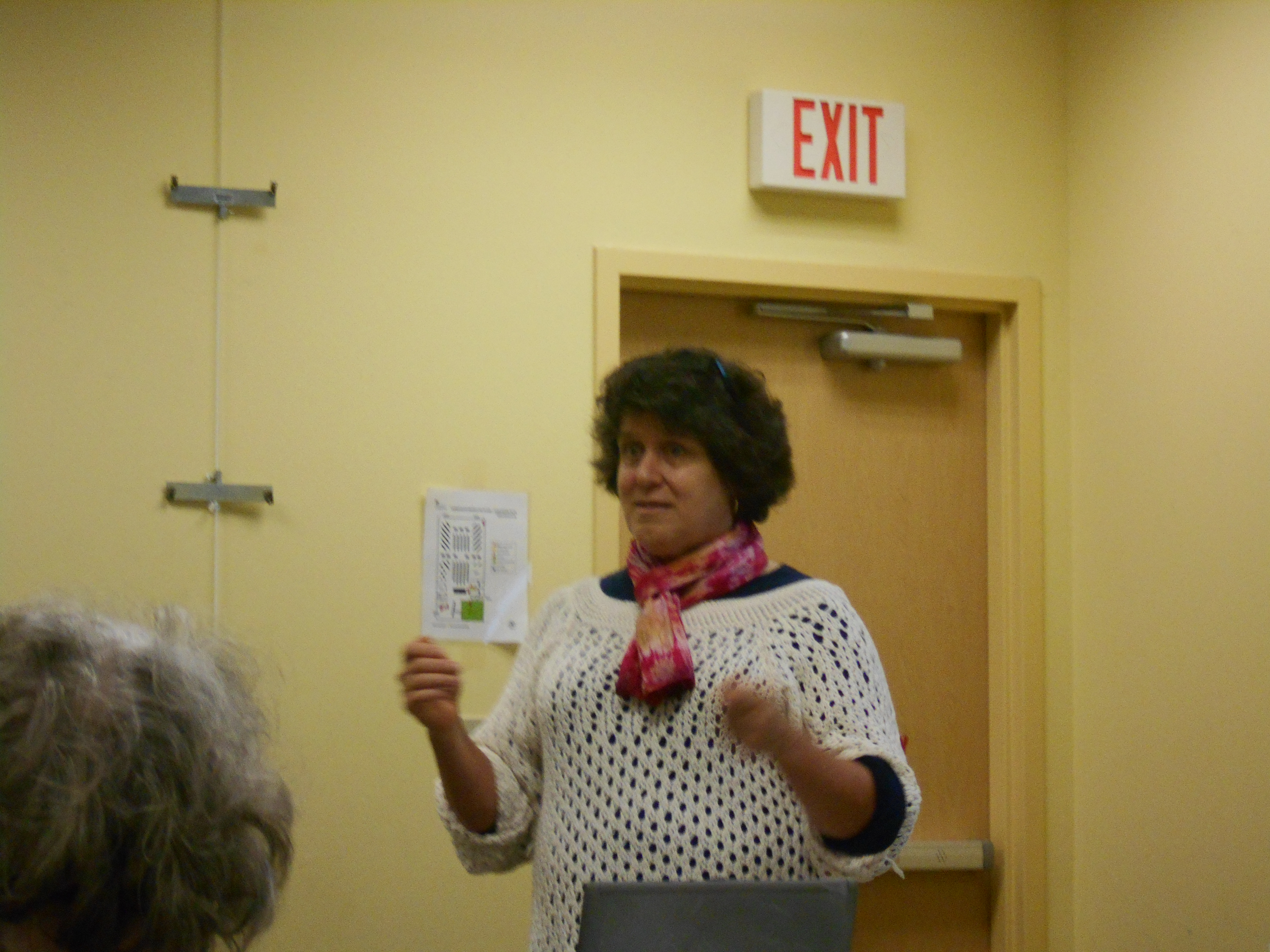
Author Anna Castle addressing SINC ~ Heart of Texas Chapter, March 2015

Author Anna Castle addressing SINC ~ Heart of Texas Chapter, March 2015

A certain writer of fiction for middle grade who spoke at the Texas Library Association’s Bluebonnet luncheon several years ago was even older than I when she found out about hers. I won’t mention her name, although I’ve just discovered she lives in Austin and am wondering whether she might accept an invitation to speak at one of my Sisters in Crime chapter’s meetings–But I digress.

This author said children she met at school visits started asking, “What is your writing process?”  When they explained to her what that was, she thought a while and then described it in roughly the following way:


Hit the alarm button, roll out of bed, throw on robe, drag out of bedroom, bang on son’s door in passing, go downstairs, make coffee, pile dirty towels in hall, bang on son’s door and yell “Get up,” dress, put towels in and start washer, go to office, turn on computer, inhale coffee fumes until eyes open, pull up file, stare at monitor, drink coffee, stare some more, check on son . . . 

This author’s process isn’t exactly what the UT scholars meant but it’s worked for her through nearly sixty books (the last time I counted).

About a month ago I reviewed my own writing process–I’d been trying and failing to complete (which means I couldn’t even begin) a 100-word story for Friday Fictioneers, and I believed analyzing my process might offer insight into the source of the problem. I did my best to remember how I had written the first three short-short stories, which had practically composed themselves.

The next three paragraphs provide a rough description of what went through my mind as I wrote those stories, which were based on picture prompts. I’ve included links so you can see the pictures and also, if you wish, read the final versions of the stories.

The second story: “Lovestruck.” Prompt–picture of old boat. Know nothing about boats. Grandfather’s old wooden boat on river. Friend’s husband surprised her with boat; she wasn’t pleased. Husband and wife. He wants boat. She sees flaws, thinks he’s crazy. He sees possibilities. Probably unrealistic. She’s patient. He doesn’t listen? What’s the end? Oh–he loves the boat–a love affair, name boat. No, lust. Ending? ???Too long. Quote Coleridge–develops wife’s character, she reads. Oh–have him intro boat-girlfriend to wife–first line–hook reader. Ending? Cut more. Oh–she wants something, boat is leverage–imply–end? suggest they look at–what?–sewing machine. She wants him happy–but–what’s good for gander. Both smiling. Cut.

The third story: “‘Shrooms.” Prompt–picture of mushrooms. What the heck I do with that? Poisonous. Lord Peter Wimsey–victim killed w/ deadly Amanita. Wife cooks mushroom gravy–End, poisons husband. How trite. Keep them talking about mushrooms. Tease–he won’t eat mushrooms, never does. Afraid of mistake–toadstools. She picked them. Husband–horrified! Create character, aunt–knows mushrooms–helped pick. Okay. Tastes, yum. Aunt pops in–new glasses–poor vision picking mushrooms–imply. End ambiguous. Accident? What did husband eat? Whimsy, understatement–Might want to spit out. Not trite.

First story: “Nothing But Gray.” Prompt: Man looking out window at courtyard? stone walls on all sides, no visible exit–b&w except for pot plants, red flowers. Boxed in, trapped, stone, gray. Start–boy, not man, place him staring out, gray stone, his POV. Easy–put him at window. Consider table, 4 plates, one boy. Guests for dinner? A brother. Mom comes in. Gray. Death. Mom in denial. 4 plates. (Note: Really, I’m not sure how I wrote this. Serendipity. Started writing and tripped over a miracle.)

That isn’t exactly what the scholars meant either–they talked about pre-writing, writing, revising, editing, polishing, nitpicking,** things that can be taught in a formal classroom setting.

English: A whole and split Cadbury Creme Egg.

English: A whole and split Cadbury Creme Egg. (Photo credit: Wikipedia). By Evan-Amos (Own work) [CC0], via Wikimedia Commons

I’m talking about the process unique to the individual, the brain state during which neurons explode at the mere thought of outlining before you do anything else or outlining at all, the state during which you either eat five pounds of Cadbury eggs or handcuff yourself to the birdbath so you can’t reach the box. Or, the state in which you’re relaxed, productive, focused, enjoying the act of creation despite the confusion and uncertainty creation entails.

To be continued…

Join me for Part 2 to discover
the Five Truths of the Writing Process,
how to make your writing practice more effective, and
What Darrell Royal and a Jack Russell Terrier Have to Do With Anything

 *

  • Nitpicking isn’t an official part of the writing process, but some people throw it in anyway.
  • To become a Friday Fictioneer, read instructions here: https://rochellewisofffields.wordpress.com/friday-fictioneers-2/. Then check Rochelle’s main page for the photo prompt, here: https://rochellewisofffields.wordpress.com/ You’ll probably have to scroll down to locate the correct picture. The projected date of publication will be the title. The official publication date is the Friday after the Wednesday prompt announcement. However, as I understand it, that’s a Friday-ish deadline. If Friday is impossible, just put it online before the next prompt comes out. Any Fictioneers out there, please correct me if I’m wrong.

*

Kathy

Kathy

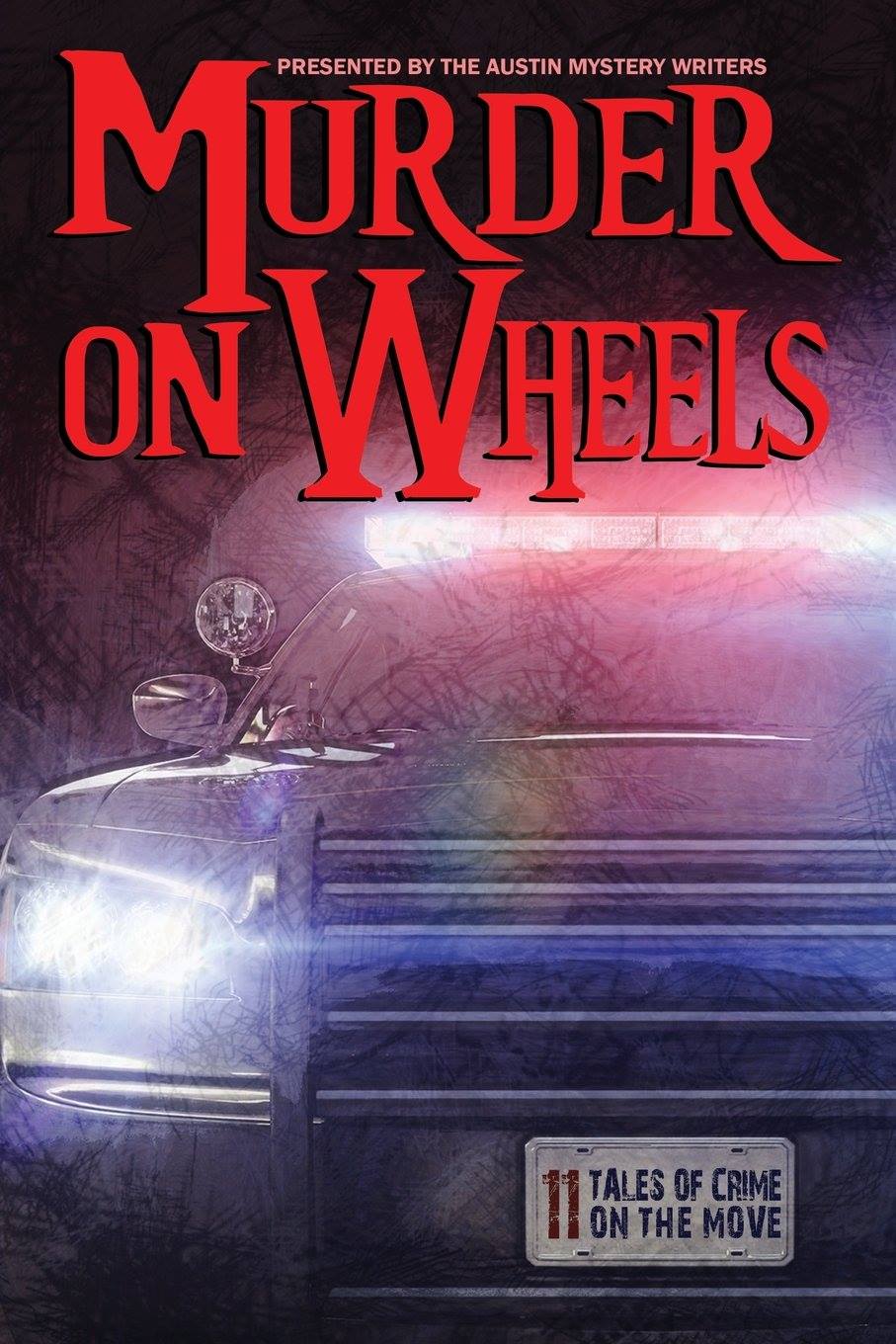
Kathy Waller blogs at To Write Is to Write Is to Write, and once or twice a month at Writing Wranglers and Warriors. Two of her stories will appear in AMW’s MURDER ON WHEELS, available soon from Wildside Press. Years ago, Kathy’s tongue got lodged in her cheek and she’s never managed to get it unstuck, so you can’t believe everything she says. Except about the writing process.

Planning Writing Events or I’ll get to the mystery part


portraits 004 (7)

By Gale Albright

ZZZZZZZZZZZZZZZZZZ.

It puts you right to sleep, doesn’t it?

Not necessarily. I’m one of those strange people who likes to plan and organize events, mostly involving writers and writing.

120px-Orson_Welles-Citizen_Kane1As a child I showed signs of being a producer-director. Move over, Orson Welles and David O. Selznick. I’d create my own radio plays, improvise the script, sound effects (old-fashioned wooden couch arms were good for making horse galloping noises), all the acting parts (animal and human), and commercial breaks.

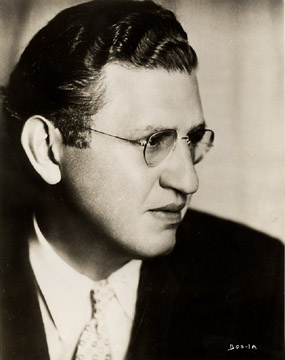
David O. SelznickMy Uncle Ras brought me a lovely little theater set, complete with cardboard characters, all cunningly controlled with magnets manipulated underneath the stage. I spent many happy, drama-drenched hours producing shows. One of my best toys ever.

Many years ago, when people asked what I would do if money was no object, I said I wanted to own a regional community theater and be producer-director-actor-playwright-ticket seller-publicity person. Usher, not so much. I would delegate that. Who could ask for anything more?

These days I’m indulging my Welles-Selznick mania by planning/organizing conferences and workshops, sometimes alone, mostly with others.

Yes, Dear Reader, I will get to the mystery part soon, don’t worry. You have not opened the wrong blog. I’m setting the scene, so to speak.

For months I’ve been participating in the care and feeding of a rather large regional literary conference.

What’s involved with a big conference featuring out of town guest speakers and lots of attendees at a hotel? Well, there’s getting the right place nailed down for a price one can afford. There are different prices for early-bird registration, Saturday only, Sunday only, or both days. Are you staying at the hotel? If so, king or queen beds? Early-bird rates, how many nights? How many conference rooms do you need? How many speakers need AV equipment?

Are there discounted hotel rooms for participants? Who needs a ride to and from the airport? How can we arrange a visiting editor’s presentation of the hero’s journey in Ballroom X so she has time to dash to Conference Room Y to do manuscript critiques? What about agenda preparation, guaranteed hotel rooms, announcements, awards, contests, prizes, cookie breaks, simultaneous breakout sessions? It’s a balancing act.

Then there’s the food.

How many people will eat the two lunches at the hotel banquet room included in the registration fee? And what—WHAT–do they eat?

Before I retired from the University of Texas, I used to organize student dinner parties for my boss. Not only did I pick the caterer, check the cost, select the menu and decide if we needed disposable everything, I had to make sure all the students who needed halal, kosher, vegetarian, and vegan selections were guaranteed a nice dinner. Plus the people like me who didn’t care what the hell they ate.

So, when organizing menus, make sure there are gluten-free options and plenty of lettuce. That’s my advice. Another piece of advice is once you get a guaranteed physical location and a firm date for an event, the rest can be worked out. First things first.

A big conference is a big deal. It’s too big for a one-woman show. I’m a volunteer and I get my marching orders from the conference coordinator, which is a good thing. I’ve learned a lot. I will put it to good use down the line, I’m sure.

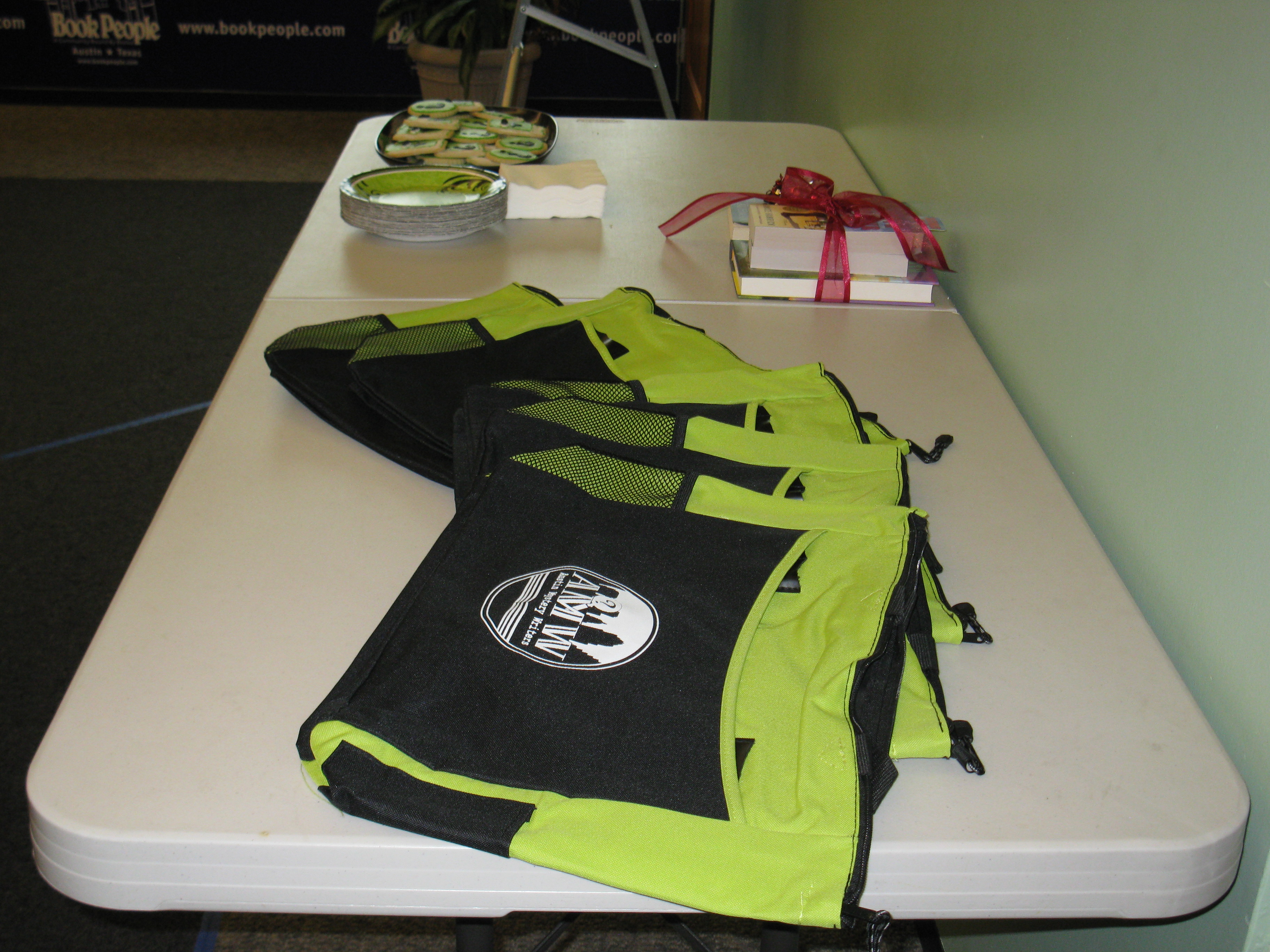
More prizes!

More prizes!

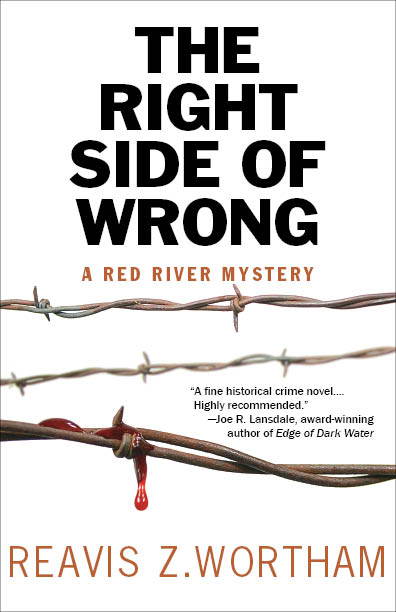
In November of 2013, Austin Mystery Writers (I told you we’d get to the mystery part) put on a one-day free crime fiction workshop with BookPeople. We had three great speakers—Karen MacInerney, Janice Hamrick, and Reavis Wortham. We had a full house. It was exhausting on the front end and lovely after it was over. We did good.

Sisters in Crime: Heart of Texas chapter is going to present a one-day crime fiction workshop on May 23 in partnership with BookPeople. I’m looking forward to it. Now I know what to expect.

One-day local mystery workshops and monthly speaker meetings are the perfect size for my current ambitions. Although I do think Sisters in Crime: Heart of Texas chapter probably could put on a teeny little conference some day. So could Austin Mystery Writers. One airplane round trip and one hotel room for a big shot speaker? Need funds? We could hold a bake sale.

Did Orson Welles or David O. Selznick ever hold bake sales to finance their productions?

I’ll delegate that.

1471124_740209775992543_1343334063_n


Writing Advice: Too Much of a Good Thing?

LRO-sanfranby Laura Oles

Writers are a curious group, with many searching for tips to help us write faster, write better,  to create stronger stories with more compelling characters.   Sometimes the writing flows and it feels so effortless. When the writing gets difficult, it must mean we’re doing something wrong. We need to fix the struggle, to find a trick or technique to navigate the tough moments.

When I find myself in this position, I sometimes search for answers from my favorite novelists. The searching is also a form of procrastination. There must remain some skills I have not yet learned that would help me better manage these difficult patches in the creative process. Certainly some other successful writers and artists have insights that will guide me back toward the easier path, right?

Maybe mimicking successful writers’ habits would be the key, so I turned to Mason Curry’s Daily Rituals: How Artists Work to find the common thread that made so many of these artists successful. With 161 artists profiled, their common techniques would reveal themselves, right?

wrong or right ethical questionWhat this careful study in creative habits revealed was that there are as many paths to success as there are barbeque options in Texas. Some, like novelist Haruki Murakami, wake up early and embrace strict routines. Yet, Jane Austen wrote amidst the bustle of visitors, housework and entertaining with no schedule at all. Some creatives drank, others abstained, some wrote a little bit each day while others wrote in a frenzied spring to the finish line.

“There is nothing to writing. All you do is sit down at a typewriter and bleed,” Hemingway said. His quote is a reminder that there isn’t a magic path to writing, a secret that will cure all that ails you (or your manuscript). There also isn’t one right way to approach the craft of storytelling. It’s simply a matter of sitting in front of the computer each day and fighting through the difficult moments, putting words to paper even if they aren’t quite the right words in quite the right order.

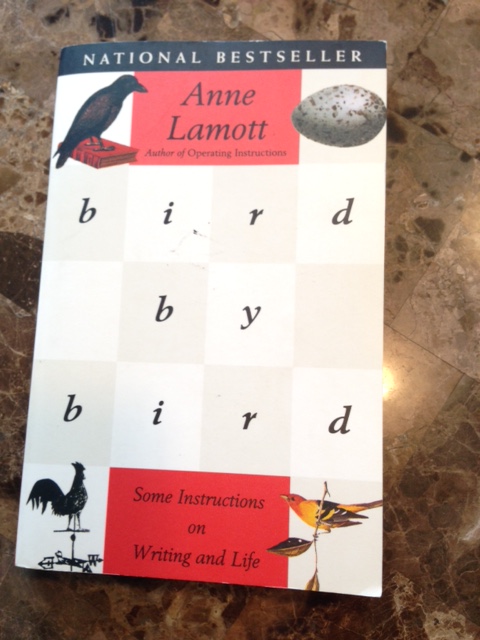
BirdbyBird

My well-worn copy, purchased at a bookstore in Maryland while traveling for work back in 1996. I still keep it close for inspiration and as a reminder to take my projects one step at a time.

I once had an impressive collection of writing reference books and, back then, I tried on advice like many try on clothes, searching for that perfect fit. I have since whittled the collection down to a handful of books that continue to provide guidance and help me get back on track. However, what helped more than anything was the realization that I had to find my own way. It was time to apply what I had learned, to shape it and make it my own. I had to quit trying to twist the routines and methods of others to fit my life, responsibilities and personality. Yes, I’ve learned quite a bit reading these books but there comes a time when practicing the craft trumps reading about it.

Sometimes the writing is hard. There is no easy answer when we hit a wall, stumble through the messy middle of a manuscript or realize a scene we love doesn’t serve the story. It’s a matter of digging in and staying with the work. Struggling is part of the process. And that realization actually makes the process easier. Now, instead of searching for the next strategy, I can get back to work instead.

My Valentine to Writing

Five members of Austin Mystery Writers post here regularly, and I sometimes wonder whether you readers know which of us is which. So I’m going to clear up any questions  concerning my identity.

I’m Kathy. I write about angst. Any time you arrive here to find weeping and wailing and gnashing of teeth over the writing life, it’s my teeth you hear gnashing.

Kathy

Kathy

I’m writing this at home, but home isn’t the only place I gnash. I do it at my office, AKA bookstore coffee shop, in full view of the public. I try to emote quietly, but muttering carries. People around me, many of them equipped with laptops and writing assignments of their own, receive full benefit of my outbursts: “Stupid, stupid, stupid!” “Noooo.” “What’s the word? What’s the word?” “^!*%&@% network.”

(I don’t really say ^!*%&@% , but that’s what I mean.)

I suspect other writers gnash, too.

Consider American poet William Cullen Bryant, author of “Thanatopsis.” I can’t imagine his interrupting himself with undignified emotional outbursts, but no one who holds his forehead like that is easy in his mind.

Today, though, there will be no gnashing. Today I depart from the usual tales of woe to say, I love writing.

I love the exhilaration I experience when words flow onto the page.

I love finding just the right word to express my meaning.

I love revising, moving sentences and paragraphs around, cutting excess–words, paragraphs, whole pages.

I love writing an entire blog post and then scrapping it and writing something different. (As I did for this post.)

I love filling holes to add clarity.

I love watching a story develop: beginning, middle, and end.

I love–oh, how I love–line editing, slashing words and phrases, discovering the one word whose omission makes the piece smoother, tighter.

I love the joy I feel on reading the finished product–and finding one more word to cut.

I love the satisfaction and the surprise of completing a task I didn’t think I could do.

I love making something out of nothing.

I love making art.

I love creating.

I love saying, “I write.”

I love loving writing.

*****

Lagniappe, Freebie, Pilon

William Cullen Bryant wrote “Thanatopsis” when he was seventeen years old. The title comes from the Greek thanatos (“death”) and opsis (“sight”), and has been translated “Meditation upon Death.” He initially hid the poem from his father because it expressed ideas not found in traditional Christine doctrine. In the concluding lines, which my mother memorized in high school and sixty years later could recite from memory, the poet instructs how to “join the innumerable caravan” of those who have gone before.

*

So live, that when thy summons comes to join
The innumerable caravan, which moves
To that mysterious realm, where each shall take
His chamber in the silent halls of death,
Thou go not, like the quarry-slave at night,
Scourged to his dungeon, but, sustained and soothed
By an unfaltering trust, approach thy grave
Like one who wraps the drapery of his couch
About him, and lies down to pleasant dreams.

Imagine Bryant reading those lines. He must have loved writing.

See the entire poem here.

*****

029

To Write Is to Write Is to Write

Kathy Waller blogs at To Write Is to Write Is to Write,which she plans to rename, and, every thirty days or so, with friends at Writing Wranglers and Warriors. She blogged at Whiskertips until cats took it over.


No Cleavage in Broadchurch

hutto oct. 1 2014 023 (2)By Gale Albright

In crime fiction, women traditionally have taken on roles of helpmeet/spouse or devil temptress. It’s the old good girl/bad girl, Madonna/whore dichotomy so prevalent in literature, movies, and television. A great example of this dichotomy appears in the classic noir film, The Maltese Falcon.

Mary Astor is the seductive, murdering femme fatale, Bridget O’Shaughnessy. Lee Patrick plays Sam Spade’s girl Friday, Effie Perrine. She is obviously devoted to him, is on call to do his bidding 24/7 and lives with her mother. He never notices her except to say things like “You’re a good man, sister.” He plays around with Iva Archer, his partner’s wife. She is not on screen long, but she makes it count. When Miles is murdered, she forces her way into Sam’s office, draped head to toe in stylish black, somehow looking sexy, and asks Sam if he killed Miles because he was in love with her. The audience gets the idea that she wouldn’t mind. His obedient, love-starved “good man sister” gets rid of her.

https://www.google.com/search?tbm=isch&q=The%20Maltese%20Falcon&gws_rd=ssl

What has this got to do with Broadchurch and cleavage?

The idea for this post came about when I saw a comment on Facebook about the BBC crime drama, Broadchurch.

I have seen the first season of this excellent series in its entirety. The setting is a small ocean-side tourist town where everyone knows everyone else. An eleven-year-old boy is found murdered on the beach and the hunt is on for the killer. There’s nothing graphic, bloody or nasty, no drawn-out post-mortem grisly incisions, etc. Some people like this, but as a personal preference, I do not. I prefer the old Hitchcock, edge-of-your-seat suspense to buckets of blood and viscera.

Broadchurch is carried by the tremendous acting of Olivia Colman (Detective Sergeant Ellie Miller) and David Tennant (Detective Inpector Alec Hardy). Ellie, a long-time DS in the police department, is enraged when she is bypassed for promotion. Outsider DI Alec Hardy is brought in to conduct the investigation. Alec has so much emotional baggage he needs a freight train to carry it. And he’s also wonderfully strange, rude, brilliant, and completely undiplomatic. The pair clash at first meeting and things go downhill from there.

The characters are fascinating. I could go on and on about the fine craftsmanship involved in Broadchurch, but the main thing that impressed me is DS Ellie Miller. She is not a kid. Her hair blows all over the place when she’s out on the beach. Her wardrobe is the pits. There’s no cleavage and not a high heel to be seen. This woman is a working stiff. She’s got kids and her husband is unemployed and stays home with the baby. She’s mad as hell about being jumped over for promotion. She’s a part of the town and is defensive when Alec rides roughshod over everyone.

In short, she is a brave, courageous, smart woman copper who hates her new boss. She is all too human–hot-tempered, maternal, blunt, compassionate, and tough. The two protagonists are the heart and soul of the story, but the town itself is also an important character in this atmospheric, brooding drama.

http://en.wikipedia.org/wiki/Broadchurch

I prefer British crime shows to American ones. One of the main reasons is the treatment of women characters. My husband and I have gotten to the point that every time we see an actress in tight jeans and low-cut top, we say, “She must be a cop.”

There are more women characters in crime dramas than there used to be. Instead of playing only hookers, coffee-fetching secretaries, or nagging wives, they are now homicide detectives, forensic experts, profilers, spies, and medical examiners. So, people might say, isn’t that a step in the right direction for women? They are now playing strong characters in roles traditionally reserved for men.

My point is, how are they playing them? When the new crime show Stalker premiered, why was the lead actress Maggie Q, who plays LAPD detective Beth Davis, dressed up in a blouse cut halfway to her navel? Why did the female CIA operatives in Covert Affairs expose so much cleavage? Why do the two protagonists in Rizzoli & Isles look like runway models instead of homicide detective and medical examiner? I’ve read the Rizzoli and Iles novels by Tess Gerritsen, and the way the original characters are portrayed in the TV series is not true to Gerritsen’s initial creation. In the books, Rizzoli is short, has frizzy hair, no fashion sense, and can be a real jerk at times. She bears no resemblance to the gorgeous Angie Harmon seen on the tube.

Based on many years of watching shows about crime fiction, I think as a general rule, the British have better programs than we do on this side of the pond. They are more concerned with characterization. The lead characters are often not that good looking, not that young, and not that well dressed. They sometimes have crooked teeth. They look like real people.

In America, we still go for the glossy Hollywood look, with gorgeous hunk male actors and sexy actresses in scanty clothing playing lead roles in law enforcement dramas. I don’t think it’s an improvement in the status of women. I think it’s another form of gender discrimination. Sorry, I don’t feel liberated.

http://www.cbs.com/shows/stalker/about/

http://www.tntdrama.com/shows/rizzoli-isles.html


How Facebook Can Help You Write More (and More Often)

Thumb Up SignI know, I know. I actually snickered when I wrote this headline.

Most articles we read about Facebook (and other social media sites) report how much time we now spend frittering and twittering away each day. In fact, a recent article posted by Bloomberg BusinessWeek states that the average American spends as much time checking their Facebook feed as they do on their pets or on daily housework (you can read the article here: http://tinyurl.com/ml44ekl).

We really aren’t that surprised, are we? With the ability to check these sites on our phones while standing in line, or waiting at the doctor’s office, those little chunks of time all add up. The question is, “How do you feel after you’ve logged off?” Did you get anything out of it, aside from a brief respite from boredom?

As someone who uses Facebook casually to keep in touch with family, friends and colleagues, I also realize that Mark Zuckerberg is taking every bit of information I fork over in status updates and selling it to companies intent on selling me stuff related to that mined data. I know enough about Facebook and its TOS (terms of service) to realize that I am a product that they intend to monetize in any way possible. So, if we’re going to have this relationship, I might as well get something out of it. If I’m going to be on Facebook, I wanted it to be a better experience, which brought me to this question:

What if we started using these sites to help spur our writing projects?

Writers, by and large, are a supportive group, and this extends to social media as well. When checking Facebook, I specifically check updates of writer friends and authors I enjoy because they often post updates on their WIP or their processes. Reading these status updates, such as “Just finished 2K words this morning!” serves as further motivation for me. While it’s important to not compare ourselves to others–especially since we have Facebook personas that are more attractive and interesting than we actually are in real life–we can be encouraged and motivated by the posts of other writers. Anne Lamott always delivers and Louise Penny is extremely gracious with her updates. So, I now hide the feeds where people share their breakfast choices and opt to read posts from those immersed in the writing life.

Like anything, this can quickly become a rabbit hole of procrastination, so I try not to check social media until after I’ve tackled my own writing first. However, if I’m having trouble getting started, I give myself a 15-minute block of time to check authors’ posts to help spur my brain into action (and yes, I set a timer!).

I’ve also found Twitter to be  helpful  in terms of writing life and related stories because the nature of this format is condensed into 140 characters. Twitter’s format lends itself to sharing stories and blog posts, and I, again, set a specific time, and work to use the posts to motivate me and to help return my attention to writing.

I can’t say that I never waste time on social media but I have now become a bit more aware of how to use it to my benefit–and how often I’m online. Rather than scrolling mindlessly through status updates on things I don’t value, I now seek out specific posts and updates that will help me navigate the challenges of finishing a novel while working and raising a family.   I also make sure to support my favorite authors by purchasing their books and writing reviews of novels I’ve enjoyed.

So, I’m making peace with Facebook and Twitter. Like all technology, these sites make valuable servants but horrible masters, and I realize it’s up to me to decide how to leverage them to my benefit. How about you? How do you use social media in relation to your writing life?

–Laura Oles

Tailoring, Treaties, and Tomatoes: 3 Techniques to Turn You into a Tenacious Writer

Italiano: Pomodoro grinzoso

Italiano: Pomodoro grinzoso (Photo credit: Wikipedia). By Abbasnullius (Own work) [Public domain], via Wikimedia Commons

In a post that appeared here last fall, Austin Mystery Writer Laura Oles asked the burning question,

Can a technique named after a tomato serve as the answer to your time management woes?

Or, more specifically, what does the writer do when it’s impossible to devote a large block of time–several consecutive hours, at least–to writing?

Laura answered the question with a resounding Yes! and went on to describe her success using the Pomodoro Technique, which involves working in 25-minute blocks of time.

After reading her post, I put a Pomodoro on my toolbar. I like it. It helps me log my time, a necessary evil for professional writers, and gives me a feeling of accomplishment.

But my schedule isn’t demanding. I often feel I’m running around like a chicken with its head cut off, trying to just get through the day, but really–I have time to write.  Pomodoro works while I’m writing.

But procrastination–in my case known as staring into space and thinking about what I’m going to do . . . later–wastes time. I need a jump start in order to start writing.

Even the promise an old-fashioned homegrown tomato is not enough of a carrot to lure me to the page. (Sorry about that.) To move me, there must also be a stick. Fortunately, sticks are available.

One I’ve found helpful is a writing challenge: A Round of Words in 80 Days (ROW80), subtitled The Writing Challenge That Knows You Have a Life.

In ROW80, you set your own goals. They must be specific and measurable, but they’re tailored to your needs. The first day of the challenge, you announce your goals in a blog post; then you put a link to your post on the ROW80 Linky.

I won’t try to explain the Linky, but you can read about it in the FAQs.

There are four rounds each year, starting the first Mondays in January, April, July, and October. Each runs eighty days and is followed by several days off. You check in every Sunday and Wednesday with a blog post in which you report your progress. If you need to change your goals, that’s fine. Just state the new ones and go on from there.

Round 1 for 2015 began January 5. Too late to enter? No. Jump in tomorrow or Sunday, or next week . . .

Your obligations, in addition to writing the Sunday and Wednesday posts and listing them on the Linky are 1) to put a link to the Linky page on your post; and 2) to visit the blogs of other ROW80 participants, comment, encourage them.

ROW80 allows flexibility. You choose when and how much you write, and if you don’t meet your goals, you haven’t failed–you’ve learned something. No pain, plenty of gain. The challenge is a stick, but there’s a lot of carrot in it, too.

A slightly stickier stick appears on Ramona DeFelice Long’s blog, which is an excellent resource for writers. Ramona is a professional editor as well as a writer. She’s successful because she works at her craft. In this post, she describes the persistence and determination required of the serious writer:

Writers write. Writers who get published complete work and submit that work to agents and editors. It’s how it works. The way to write for publication is to commit to it. That means nothing–and no one–stands in the way of your writing goals.

Ramona invites readers to take “The Sacred Writing Time Pledge.” As in ROW80, you tailor the pledge to your own needs–within certain parameters. But after that, there’s no wiggle room. A Sacred Pledge is meant to be kept. It’s simple: You do what you said you would do, or you don’t do it.

The pledge is a kind of treaty, too–a formal agreement between the writer and other parties. In most cases, it takes a village to make a writer. You sign the pledge, but there are spaces for your villagers to sign as well.

What I like best about Ramona’s pledge is its focus on the goal most writers aspire to–publication–and its honesty about what it takes to get there.

Now for a summary: In this post, I presented for your edification three techniques:

 ROW80, which lets you tailor goals to your needs;

The Sacred Writing Pledge, which a comprises both a pledge and a treaty; and

Pomodoro, which is a tomato.

Singly, or in combination, these three can help turn you into a tenacious writer.

But Wait!

I just read over the paragraph in which I referred to Ramona’s pledge as a stickier stick, and I realize the stick part is a gross exaggeration.

The Sacred Writing Time Pledge contains much more carrot than stick. In the first place, publication is as good a carrot as any writer can aspire to. It’s the literary equivalent of carrot cake.

Also, Ramona reminds us that we take the Sacred Writing Time Pledge not to enter 2015 burdened with an overwhelming task, but with hands open, ready to receive a gift:

 Think of it as renewing a vow–or falling in love for the first time, or again—with what you want to write.

Falling in love. What could be better?

Falling in love is carrot cake with a dollop of ice cream on the side.

 *****

And now, for tenacious readers, a pilon:

Tenacious

Cowhide makes the best of leather.
It should. It keeps a cow together.

 ~ Ogden Nash (of course)

 *****

0kathy-blog

  Posted by Kathy Waller,
who also blogs at
To Write Is to Write Is to Write

Etiquette for Critique Groups

We all know the importance of getting feedback from other writers, not just from friends and family. For many writers, that feedback comes from a critique group.

photo (16)Last summer, Sisters in Crime  hosted a meeting about etiquette for critique groups with special guest Tim Green, from St. Edwards University. Members of several local critique groups joined the discussion. The following guidelines and suggestions emerged.

Professor Green offered a general framework for face-to-face critiques. First the writer speaks, then readers take turns offering their comments. Finally, the whole group can engage in a general discussion, summarizing what they agree about and answering each other’s questions.

DOs:

  • The writer can introduce her work briefly, explaining what she’s trying to accomplish, whether her draft is rough or finished, and what kind of feedback she wants.
  • Readers should begin with the strengths of the piece (‘What works for me is…’) and move to questions and weaknesses (‘What doesn’t work for me,’ or ‘What I don’t understand is…’) afterwards.
  • Readers should speak to the writing, not the writer, pinning comments to specific passages in the text. This bears repeating! Find the specific words that trigger your reactions.
  • During the readers’ comments, the writer should remain silent, listen carefully, and save questions or explanations for the general discussion period.
  • Everyone should bear in mind that personal preferences are not aesthetic absolutes. Readers are only offering their subjective reactions and opinions. Writers should remember that, too.

DON’Ts:

  • Writers should resist the urge to disparage or apologize for their own writing.
  • Readers should resist the urge to rewrite or copyedit during group critiques.
  • Writers should try not to become defensive.

Professor Green advised that higher order concerns (plot, structure, character, voice, point of view, telling/showing) are appropriate for early drafts. Lower order concerns (dialogue, scene/setting, word choice, sentence management) are more likely to be useful for advanced drafts.

Most critique groups eventually settle on a routine that works for them, but for planning purposes, you could consider the following guidelines:

  • Four to six people is a good size for a critique group.
  • Ten pages is a reasonable length for submissions.
  • One or two minutes should suffice for the writer’s introductory remarks.
  • Allow about five minutes for each reader’s comments.

At this rate, you would expect to spend a half-hour or more on each submission. If everyone submits every time, you might need to allow as much as three hours for your sessions. Timekeeping can help ensure that each writer gets her fair share of attention.

Depending on where you live and what you write, you may have a hard time finding a local group that works in your genre or niche and meets at a convenient time and place. In that case, you could consider joining Authonomy, a website run by Harper Collins where thousands of authors post their work and exchange critiques online.

Elizabeth Buhmann

Elizabeth Buhmann is author of Lay Death at Her Door (Red Adept Publishing, May 2013)

Everyone agreed on the importance of keeping the comments positive. Praise for what works should come first to balance criticism. It may be necessary to curb or even remove a person who dominates discussion or persists in harsh criticism.

As writers, we learn and improve from criticism, but praise is the oxygen we breathe. Your critique group should not leave you feeling discouraged. If it does, drop out.

You should run home from your critique group sessions eager to reread the comments on your work and inspired to make the revisions that will take it to the next level.

A Christmas Pomodori

River Bluff Writers' Retreat 020Star Date: December 13, 2014

It all started with a weekend retreat. Don’t mysteries always start  like that? (Well, some of them.)

It’s like the beginning of a typical forties noir film. Think of a battered private dick, his face wrapped in bandages, trapped in a blindingly bright spotlight at the Hollywood police station. All in black and white with lots of shadows. The police want to know about a murder. When he starts talking, the scene dissolves into a flashback.

Except in my case, everything was in color, in the twenty-first century, and by the San Marcos River in Central Texas–not Hollywood.

What on earth are you talking about? I hear someone mutter. Why, I’m flashing back to how I wrote my fast-paced, hard-pulsing, heart-stopping crime melodrama, Holly Through the Heart, a live radio play done in person for an enthusiastic (I hope) audience (captive) of Sisters in Crime: Heart of Texas members.

I had come up with a daring (hare-brained) scheme in September. Why not have an old-fashioned live radio murder mystery play for our Christmas party on December 14? Then I proceeded to ask (beg, cajole) people to be in the cast. I had everything set up. But there was just a tiny, wee problem.

I was having trouble with the play itself. As in, writing it. There were three lovely paragraphs, almost a whole first page done. It was very promising. But I was stuck.

To myself, I said, “Self, you have asked all these folks to be in your play, and we are going to have to rehearse before the show debuts on December 14, so what are you going to do?”

Then fellow AMW critique partner Kathy Waller said we should have a writing retreat the first weekend in October, so we did, at a cabin on the San Marcos River. The cabin was lovely and rustic, surrounded by giant pecan trees and nestled in rural obscurity—except for the eleventy-million trucks hauling monster barbecue smokers in and out of the property next door. There was a barbecue cooking contest being held in close proximity to our cabin on Friday and Saturday. I thought there would be lots of noise and craziness going on next door, but perhaps we might be invited over to partake of delicious delicacies.

But no. There was no offer of succulent meat, but the noise level was kept to a decorous level down by the river. So I couldn’t use loud music and barbecue overdose to excuse my almost nonexistent radio play.

What did I do, you might ask. On Friday night, we went to the Sac ’n Pac on the highway and purchased delicious burgers for our supper. Then we sat around and talked and talked and talked and finally went to sleep.

On Saturday, some troublemaker brought up the fact that we were technically on a writing retreat and that maybe we should write. If I remember correctly, fellow AMW critique partner Valerie Chandler said we should use the Pomodoro technique to write something. We limbered up our laptops and did the Pomodoro. What is the Pomodoro, you may ask? Here’s the word from Wikipedia:

“The Pomodoro Technique is a time management method developed by Francesco Cirillo in the late 1980s. The technique uses a timer to break down work into intervals traditionally 25 minutes in length, separated by short breaks. These intervals are known as “pomodori”, the plural of the Italian word pomodoro for “tomato.” The method is based on the idea that frequent breaks can improve mental agility.” Taken from http://en.wikipedia.org/wiki/Pomodoro_Technique

I knew I was not motivated. But I sat there, hands poised over the keyboard, the timer went off, and I pounded away for twenty-five minutes. Took a break and then pounded for another twenty-five minutes.

And guess what?

I wrote the whole script.

That Saturday night, after we had gone back to the Sac ’n Pac to get pizza for dinner, we sat around and talked and talked and talked some more. One of the subjects we covered was my anguish over my current book plot. It needed help. So we all brainstormed, lying on couches, eating Goldfish (the baked cheese kind) and cookies and solved my plot problem.

That’s my story, coppers, and no matter how much you grill me, I won’t change my tune. That’s how it all went down.

So now, as I write this blog post on the evening of December 13, waiting for my pot roast to get almost done before I put in the potatoes (battered private dicks sometimes cook), and anticipating putting on the play tomorrow at 2 p.m. at the Book Spot in Round Rock, I think it’s going to be great.

We’ve rehearsed, given feedback, and worked on sound effects. I’ve had directorial angst, but I feel good about the whole thing.

Kudos to Kathy for setting up the writing retreat and for Valerie’s and Kathy’s help with Pomodoro sprints and book plot brainstorming.

Tomorrow Holly Through the Heart has its debut performance far from Broadway, at the Book Spot in Round Rock, Texas. But the journey begins with a single Pomodori, does it not?

I only wish, Valerie, that you had not gotten me addicted to Goldfish, but then artists must suffer, I suppose.

Star Date: December 14, 2014

Book Spot Dec. 14 SINC 028

From left to right: Alex Ferraro, Kathy Waller, David Ciambrone, Gale Albright, and Valerie Chandler, cast of Holly Through the Heart, an old-time radio mystery drama performed live at its debut at the Book Spot on December 14, in Round Rock, TexasBook Spot Dec. 14 SINC 030A  cookie script of Holly Through the Heart, created by culinary genius Valerie Chandler.

By Gale Albright

Serial’s Strange Embrace: A 15-Year-Old Murder Mystery Captivates Millions

Have you been listening to Serial? Each week, millions of people anticipate the next episode of Serial, a podcast-turned-obsession produced by This American Life (TAL), which covers the investigation of a 15-year-old murder case. Serial has done a masterful job of pulling people into a real-life murder mystery, and I am one of those waiting for a new episode each Thursday. serial_logo

Serial is hosted by Sarah Koenig, a journalist and  executive producer working for TAL, who spent a year studying the case of Hae Min Lee, a well-liked Baltimore high school student who was murdered in 1999 at the age of eighteen. Lee’s body was discovered six weeks after she was murdered, buried in a shallow grave in Leakin Park (often pronounced as Linkin Park). Leakin Park has a reputation as a hiding place for the dead. It has been said, “If you’re going to bury a body in Leakin Park, you’re going to find someone else’s.”   It is no place for anyone’s child.

Detectives investigated Hae Min Lee’s murder and her ex-boyfriend, Adnan Syed, found himself at the center of the inquiry. Before long, Adnan Syed, was tried, convicted and sentenced to life in prison. Many believe he was wrongly convicted while others say justice has been served.

The question remains, “Did Adnan Syed kill Hae Min Lee?”

Sarah Koenig’s storytelling skills are impressive and on full display each week. Her recorded telephone conversations with Adnan Syed from prison, as well as interviews with his friends and others who knew him, bring us close to the investigation. Koenig’s analysis helps us realize that she isn’t sure about the truth, either. Each week moves us back and forth on the pendulum swing between guilt and reasonable doubt, even innocence. Each week’s episode has caused controversy, discussion and a broader conversation regarding what should be used to prosecute capital murder cases.

Serial includes a number of discoveries and twists, which I won’t spoil in this post. For those of us who are interested in studying skilled storytelling, consider enrolling in Koenig’s class by listening to this podcast. While many have proclaimed podcasts a medium with little growth potential, Serial has proven otherwise. QuestionsKoenig is clear that she isn’t too far ahead of us in her weekly recordings. They didn’t have the entire season ‘in the can’ before Episode 1 aired, and we can feel the uncertainty as she discusses the case with experts and others involved, including a juror who served on Adnan Syed’s trial.

Koenig reads from Hae Min Lee’s diary and re-traces routes and timelines testified to in court. In her hands, the story unfolds in such a way that even some who feel they know the case are surprised by what she finds. The one thing that has stayed with me throughout my listening journey, apart from the horrific reality that a young woman was murdered and her family forever damaged by living with unfair reality, is that the way in which Adnan Syed was convicted. While I haven’t read the court transcripts, what we have learned so far is concerning. Did Syed commit the crime? Was the evidence used to convict him sufficient?  The issue is being hotly debated at water coolers and cafes across the country.

And with good reason.

Serial achieves a quality of storytelling rarely found in the true crime genre, and the result is a podcast that has broken iTunes records, becoming the fastest downloaded podcast to reach 5 million listeners. It’s a nod to old-style crime radio but with the contemporary twist. Its success has brought new attention to the case as well as some backlash criticism that a murder case should not be used for the public’s entertainment. These are curious waters to navigate but the exploration of true crime stories has been an industry for some time. Serial has simply found a way to connect with listeners in a compelling manner. As mystery writers, while we may be inspired by certain events, our work is fiction. No people or animals are harmed in the process of creating our stories. However, in Serial’s world, we are listening to an investigation involving real lives and real suffering, a viscerally violent foundation upon which this new American obsession rests.

The victim, Hae Min Lee, as reported by friends, was smart, funny and full of promise. She left this world far too soon and the space she has left open in her family’s hearts will never be filled. Yes, Serial is compelling, in large part, because of the real lives affected, because the stakes are high, because so much mystery remains in this case. Let us remember those people at the center of this reality. They are not characters–they are real people carrying this burden, long after each episode has ended.

To learn more about Serial, visit www.serialpodcast.org

Serial logo property of This American Life.

–Laura Oles