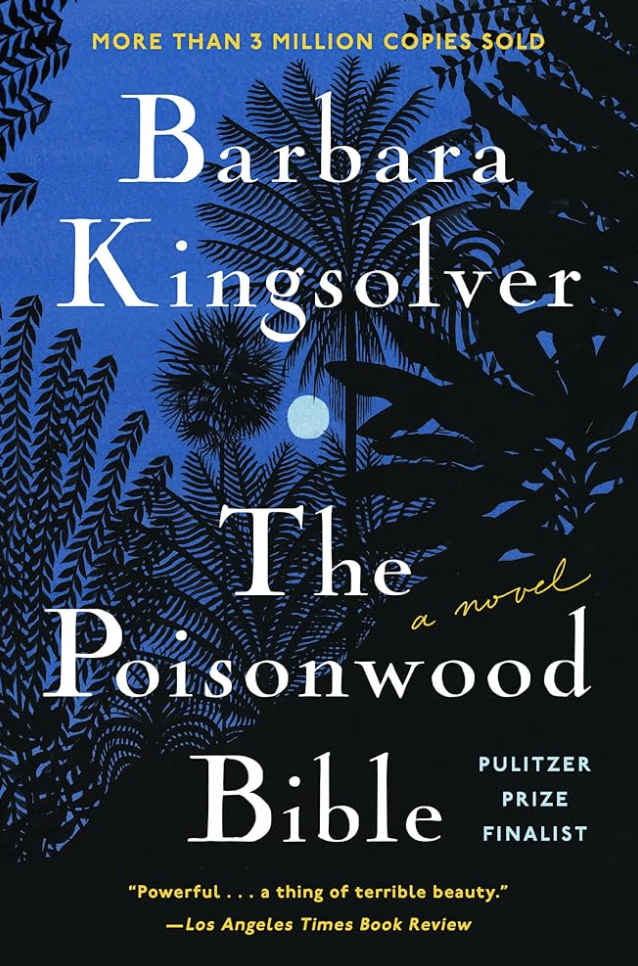
I recently read The Poisonwood Bible for the second time. It’s interesting how it’s a different experience after I’ve become a mother and after I’ve have had more life experiences. What stuck with me this time wasn’t the politics, religion, or the history as much as a mother’s fear of living in a place that doesn’t feel safe.
Years ago, we lived on a ranch where there were a lot of rattlesnakes. (I know, you’ve heard me talk about this before.) We had hundreds in the vicinity. For the first year we were there, I worried almost every single day that my small child would get bitten. And possibly die since we were far from any hospital or antivenom. I didn’t talk about it much, but it was always there in my head. Every walk outside, every noise in the grass, every moment my child was out of my sight. I truly believed that any day could be the day something terrible would happen.
After about a year, something shifted. I still knew the danger was there, but I wasn’t consumed by it anymore. I had learned where the snakes were likely to be, when to be extra careful, and when I could relax a little. The fear didn’t disappear; it just stopped running my life.
One day I told my husband how I wasn’t worrying as much. He was stunned, and frankly, kind of appalled. He couldn’t believe I had lived with that level of anxiety every day. He had no idea. We were in the same place, raising the same child, but our inner experiences were completely different.
I thought about this when reading The Poisonwood Bible. A mother, Orleanna, did the best that she could, given her circumstances, to prepare for their new life. Like bringing cake mixes for her daughter’s birthdays, only to have the mixes turn to rock in the humidity. Such a symbol of motherhood/parenthood. We do the best we can. The trials that we may face are not the ones we expected. And Nathan, so sure he was right, so focused on his mission and his authority, his divine calling, that he didn’t notice what was happening to the people around him. (Not that my husband was a tyrant or a fanatic!)
The book also made me think about living and trying to parent in an oppressive patriarchal society. A general observation, while male egos and cultures clash, it’s the citizens who pay the price. Nathan’s rigid religious authority collided with local power structures and culture. While he was so wrapped up in his zeal to save souls, trying to live by the laws in The Bible, that he missed the message of The Gospel. And he was so bent on changing the local “heathen” customs, without really looking at or connecting to the people, he was doomed to fail. No one wins when the people in power are fighting to maintain power instead of helping society. When patriarchies rule, all citizens end up paying the price. Even those in charge seem trapped by the need to dominate rather than care.
I guess I’m feeling this more than ever before. It’s what’s happening in the world. For me, The Poisonwood Bible landed as a reminder that paying attention matters and caring about people matters. And the people who notice danger, who quietly adapt, who carry the worry, so others don’t have to, are often invisible. But they’re doing the work that keeps everyone alive.
I think about that first year with the rattlesnakes sometimes. I think about how long I carried that fear alone. And reading this book helped me see that experience more clearly—not as weakness, but as awareness.
And now here is a picture of a Christmas kitten so you won’t be so bummed out.
When people talk about Bouchercon, especially in New Orleans, they usually share stories of late nights, legendary meals, bustling crowds, powdery beignets, and lots of alcohol.
That wasn’t my week.
But the funny thing is—I still accomplished exactly what I went to do.
My panel, Wide Open Spaces, with Craig Johnson, Bruce Borgos, Jeff Ayers, George Wilhite, and moderated by the lovely Sylissa Franklin was a highlight. The conversation flowed, and the audience was engaged. I made them laugh a few times and even got a gasp. So, mission accomplished. I walked away feeling like I’d contributed something worthwhile.
I also got to meet Clay Stafford in person and thank him for publishing my short story, Under The Blackjack Tree, in Killer Nashville Magazine. (The story that was chosen by John Grisham and Otto Penzler for The Best Mystery Stories of the Year 2025, which is still surreal to me. (Coming out next week!) Stafford’s keynote, The Story That Saved Me, was “cry for crime writers and readers to remember why stories of darkness and redemption still matter—and why telling the truth on the page can save us, too.” Honestly, it was one of the most inspiring talks I’ve heard in a long while. Glad I went.
Another highlight was finally meeting Otto Penzler in person. I thanked him for the opportunity, and he graciously signed my copy of the anthology. A small moment, but one I’ll carry with me.
At the end of most days, I met up with Laura Oles in the hotel/lounge bar. (It was so noisy all of the time!) We compared notes at the end of the day—who we’d seen, what panels had sparked ideas. She was on a terrific panel herself, Dialogue Matters: Slang, Concise, or Verbose? The group dug into how dialogue can reveal character and control pacing, which is something that I’m always working on.
I also loved being in the audience for Sweet Tea with a Splash of Crime: The Southern Influence, with Ace Atkins, S.A. Cosby, and other writers who captured both the grit and taste of Southern literature, and where it’s headed. Another standout was Killing Your Darlings, with Penzler and Donald Maass, which was a sharp reminder that ego doesn’t belong in the editing room if the goal is to make the story better.
And one of my favorite unexpected moments? Donald Maass allowed me to join him for lunch one afternoon. We had a thoughtful conversation about Writer Unboxed, an organization we’re both part of, about writing in general, and drawing inspiration from real life,. It was simple but memorable, the kind of connection that lingers long after the conference ends.
So no, this wasn’t a Bouchercon of big parties or long nights on Bourbon Street. But it was a Bouchercon where I hit my goals, connected with people who matter to me, and left with a few new insights and ideas. Sometimes the quieter wins are the ones that last.
Have you ever researched something—like a purse, a computer, or even a car—only to suddenly notice it everywhere, even though you hadn’t before? Inspiration for stories works the same way.
One of the most common questions authors hear is: “Where do you get your ideas?” The answer: pretty much everywhere—news articles, books, movies, history, snippets of conversation, personal experiences… inspiration can spark from the smallest detail.
I’m currently writing a historical novella, and inspiration is coming from all directions. I feel like a goalie in a soccer match—I’m fully immersed.
Story Settings and Characters
My protagonist is a young woman named Martha. She’s married to Tom, who has moved her far from home—and life isn’t unfolding as she expected. (Isn’t that always the case? But is it simply the way things are, or is something nefarious at work?) They’re building a cabin in the East Texas woods around 1830. I imagined they’d arrived at the tail end of the Old 300, grabbing land wherever they could. (Although the story could take place anywhere from 1820 to 1880, west of Virginia in pine country, I discovered that pines aren’t as widespread as I once thought—which is why research matters.)
As I write, Martha is revealing herself to me—like she exists on another plane and there’s a conduit between us through something I call “the ether,” a metaphysical space. (Is that a real thing? I don’t know—dammit, Jim, I’m a writer, not a metaphysicist!) Her voice is growing stronger. Her past and current life are becoming clearer. When she speaks, it feels like she’s speaking directly at me. I think most writers go through this—and when it happens, it’s exhilarating. To me, it means the character will have depth and feel real.
And, as in the past, there have been “signs” that I’m on the right track with characters and story. Sometimes these signs are even eerie. In the first chapter, when it was new and amorphous, I was writing a dream sequence to explain her inner thoughts, worries, and where she’s from. I imagined she came from a large family, and she had had a brown and white dog named “Peaches”.
A few days later I was on Facebook and came across this picture. It caught my attention because a cabin is a major feature of the story, and I took a screenshot for inspiration to look at details. Later I read the description. Look at what I circled. That’s right! I wasn’t too surprised by the date. But the dog in the picture was name “Peaches”! And it looks brown and white to me. It gave me inspiration that I’m on the right track with the story and characters.
Another time, while writing my (currently unpublished) novel Gilt Ridden, I created a character in West Texas, educated and obsessed with gold, known locally as “The Professor,” living in a dugout. Years later, I came across a local-history book about Stonewall County describing a man known as “The Professor” who lived in a dugout and searched for gold. I hadn’t known he existed—but the parallels were uncanny. At first, I worried that people would think that I borrowed someone’s real story. But then it comforted me. I took it as a sign that I had created a realistic character from imaginary circumstances.
So when you’re writing—or working on any project—block out the world and tune in to the voice or idea coming from the ether. Who knows what will be revealed?
Bonus Content
I’ve been obsessed with one song lately. It’s been playing in my head nonstop for a week. I didn’t know much about it until I watched the YouTube video. The character is pregnant and contemplating life choices, just like Martha! Now it’s really stuck in my head. Hope you enjoy it:
Sara Bareilles – “She Used to Be Mine” (from Waitress)
When I first sat down to write the stories that would eventually become part of For Every Evil Under the Sun, I didn’t know exactly where they would lead me—I only knew I wanted to stretch my writing skills, try new things, and be a part of a hot, cool collaboration. (Yes, I like puns.)
Now, I’m proud to announce that this collection is out in the world, published by the brand-new Fredonia Ink Publishing. I’m honored to be sharing the pages with two powerhouse writers, Alexandra Burt and Laura Oles—both of whom are not only incredibly talented but also deeply committed to telling stories that explore the dark, complex corners of the human experience.
This collection is a bit of a literary experiment. We each approached the idea of “evil” through our own unique lens—psychological thriller, family drama, crime, horror, western—and let the stories guide us. What came out of it is a collection that isn’t just eclectic, it’s electric. It shines! (Yes, another pun.)
As for me, I leaned into the grit—into crime, revenge, justice. I wanted my stories to carry that weight—to explore the consequences of violence and vengeance. And also add a little bit of fun to the mix. And the stories by Alexandra Burt and Laura Oles are equally as dark and entertaining.
And hey, if you’re in Austin this summer, I’d love to invite you to join us for a special event at Vintage Bookstore and Wine Bar (1101 E. 11th St.) on July 18 at 7pm. Alexandra, Laura, and I will be discussing short story craft, the experiences of women writing crime fiction, and what went into shaping this haunting little book. It’ll be an evening of books, wine, and maybe a few goosebumps.
So if you’re in the mood for stories that simmer under the heat of summer and explore just how far people will go—to protect, to avenge, to survive—then For Every Evil Under the Sun might just be what you’re looking for.
🗓️ Event Info: July 18, 7pm @ Vintage Bookstore and Wine Bar, Austin, TX 🔗 Learn more, here is the Amazon listing. Ebook now available and paperback will be soon on Amazon and bookstores everywhere: https://tinyurl.com/2tph4xcz
My most recent blog post announced the publication of my short story, “Under The Blackjack Tree” in Killer Nashville magazine and now I’m now doubly thrilled to announce that the short story was also chosen by Otto Penzler and John Grisham to appear in the 2025 edition of Best Mystery Stories of the Year! (Mysterious Press)This is a huge honor. Honestly, at first I didn’t think it was true. I read the email about three times and did some online research before I believed it!
But another reason why this is so special to me is because my story is steeped with bits of my family’s history.
It began when my mother told me several years ago that one of her most cherished memories was when she got to help her grandfather feed the inmates at the Huntsville jail when she was about four. (Wait, what?) That’s when I learned that my great grandfather had been sheriff of Walker County. I later learned that it was common practice for the sheriff and his family to live on the first floor of the jailhouse while the inmates would be on the second floor.
The image of an innocent girl closely interacting with a potentially dangerous person was so intriguing to me, I was compelled to put it in a story. (I played with the timeline and instead of my mother being the little girl, I made it my grandmother. It simplified the story.) I had no idea where the story was going to go, but I knew that I needed that opening scene. It took me places that I didn’t expect!
Some of the things that were true are-
My great grandfather was sheriff at the time of Bonnie and Clyde. I thought that would make an interesting backdrop. A lot of tension in Texas at that time.
My grandmother’s first mother did die in childbirth and her loving stepmother was called “Cullie”.
There really was a bank robbery in Conroe at that time. (I don’t think it was ever solved.)
Trusted inmates often cooked the meals for the other inmates and sometimes for the family.
It was my mother that fell into the yard with the hunting dogs and was almost mauled.
My grandmother was shot in the face with a shotgun, by accident. It was a miracle that her eyes were spared, and she had not one single scar. That is such an amazing part of our family history that I had to include it.
And two things that I didn’t know until after I wrote the story.
My grandmother was sometimes called “Mary V” at school because there was another Mary in her class.
When she attended Sam Houston to get her teaching certificate, she would often cut across the cemetery when her classmates wouldn’t. She was never a squeamish person.
My grandmother, the flapper!
Although the Mary V in the story is pure fiction, I hope that my grandmother would be proud the story and that some of our family history is saved and shared with others.
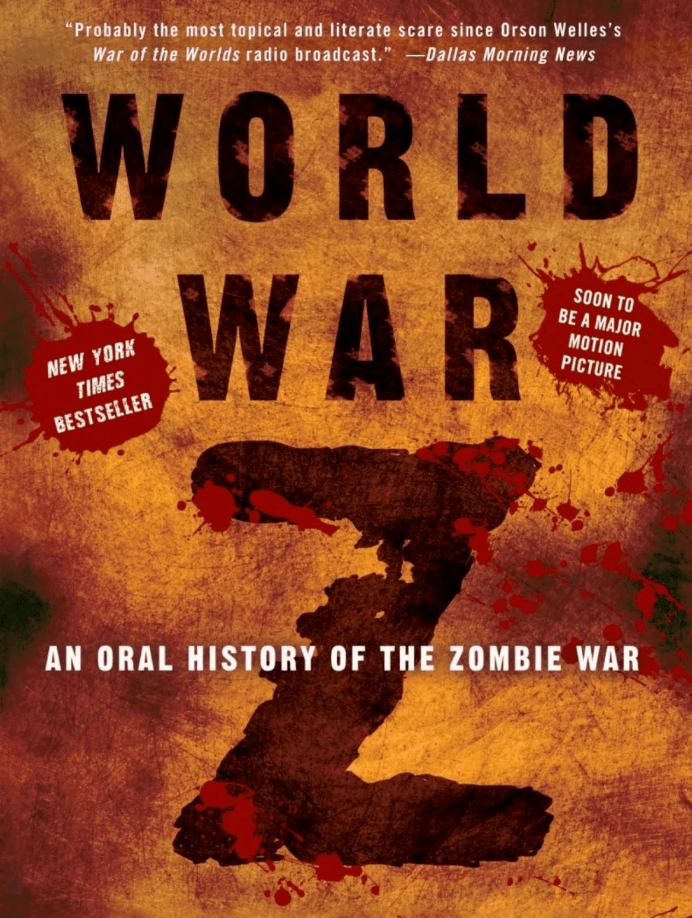
I recently finished reading World War Z. I know, I know, the book came out in 2006. As usual, I’m behind the times when it comes to reading books. I have so many on my bookshelves that it takes me a long while to get to them all. This book is one that my kid read back when it was popular and insisted that I read it too. So, it sat on the bookshelf, patiently waiting for my attention for several years. And while WWZ doesn’t fall into the usual reading for me, I’ve always been interested in anything that has to do with zombies. I watch most of the movies and shows. Not for the gore, but because I like to see how people react in the beginning days of the plague and how people may or may not survive in the long term.
Within the first pages I immediately saw why it was popular. Max Brooks is an excellent writer and the format appealed to me. Instead of creating a narrative with a beginning, middle, and end, he structured the book as a series of interviews. Each story is only a few of pages so it’s great if you like to pick up a book, do a quick read, and put it aside until next time. I personally like short chapters. It’s evident in my writing. But in the format of interviews, I found that the book didn’t hold my interest. There wasn’t much to compel me to open it and keep flipping pages. The story that I liked the most was about a downed pilot stuck in a Louisiana bayou. It was longer than the others, so I became invested in her, and I wanted see her survive. I wish more of the stories had been like that.
But I will say this about the book. Kudos to Brooks in his understanding of people and countries. If I were to sum up the book, I’d say that it was a character study of how people handle emergencies. It was as if he thought, “How would the American people and government respond to a zombie plague? Japan? Russia? Israel?” He included almost every country and every environment. What would happen in the mountains? Bayous? Coastal towns? How would this effect how people live in their homes? What kind of houses or fortresses would they have? Would people trust each other afterwards? And what would this do to humanity if we survived? Would the world still be worth living in?
He answers all these questions and more.
So, while it is a book of interviews about how people survived a global zombie apocalypse, it’s much more than that. It’s a study of humanity.
V.P. Chandler has been a paralegal, a teacher, and a West Texas rancher. She grew up in a family involved with the criminal justice system, (criminal justice professor, parole officer, pathologist, photographer, etc.), so thinking about the dark side of life is in her blood. Her most recent book, THE LAST STRAW is a novella co-written with Manning Wolfe.
“But at my back I always hear time’s wingèd chariot drawing near…” (Andrew Marvell, 1621-1678)
Today in pre-dawn darkness, the house quiet except for the murmuring furnace, my characters were already at me, barking orders: “More! More smells, tastes, experiences! More about me! Tell people what I’m thinking, what I’m experiencing, what I’m worrying about!”
They’re right. Readers want to know their favorite mystery protagonists. Why? Because readers are in league with them, walking in their shoes. Readers know that stepping into a protagonist’s sensory experience—smells, food, experiences, relationships—will springboard them into the setting, help them to be in the picture, ready to seize on every clue.
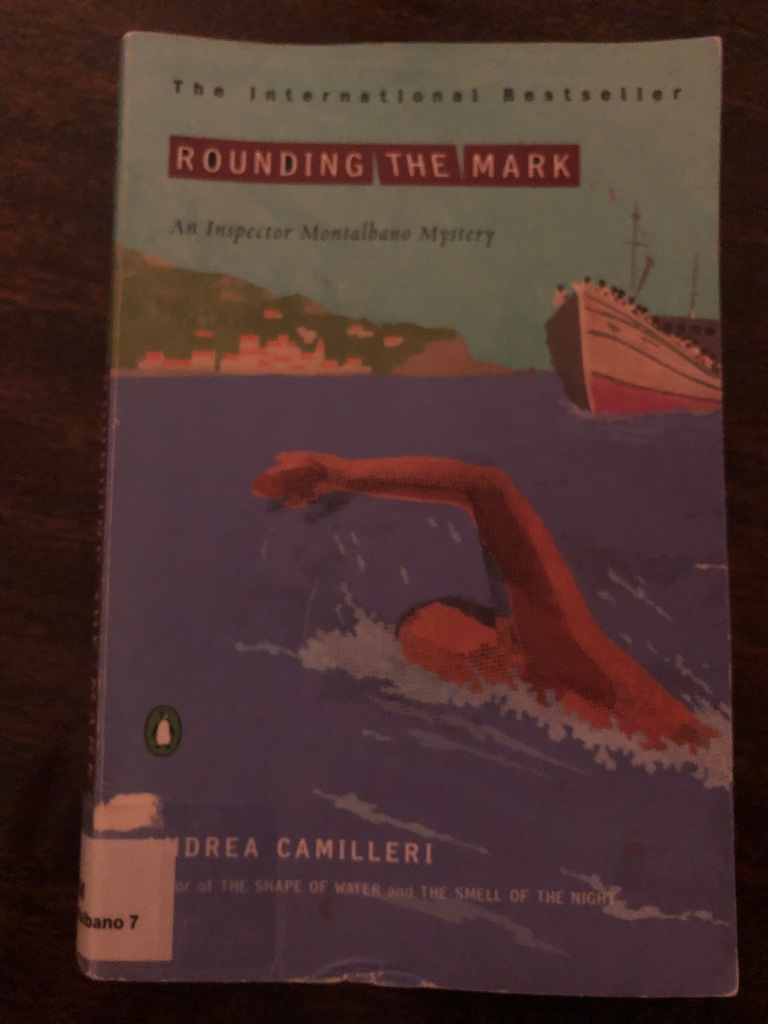
Resolution 1. Tastes! Flavors! Food! As Rounding the Mark, Book 7 of Andrea Camilleri’s long-running series, begins, Inspector Montalbano of little Vigáta, Sicily, can’t sleep:
“Stinking, treacherous night. Thrashing and turning, twisting and drifting off one minute, jolting awake and then lying back down—and it wasn’t from having scarfed down too much octopus a strascinasali or sardines a beccafino the evening before. No, he didn’t even have that satisfaction.”
Fortunately the recipes are described in the Notes at the book’s end. In Sicily, where seafood reigns supreme, Montalbano refers to small octopi, boiled and dressed in olive oil and lemon juice, and then sardines, stuffed and rolled up with sauteed breadcrumbs, pine nuts, sultana raisins, and anchovies. When Montalbano returns home from the police station he always races to his refrigerator to see what his housekeeper, Adelina, has left for him. In Book 16, Treasure Hunt, Montalbano “howled like a wolf with joy” when he finds “eggplant parmesan, done up just right, enough for four.”
Can’t you just smell this dish? Montalbano consumes the entire panful: “the sauce was a wonder to taste.” (50). We see how he delights in his food, how very particular he is. (And throughout the series Adelina keeps cooking – pasta in squid ink, involtini of small fish, pasta ‘Ncasciata…) https://www.foodandwine.com/pasta-ncasciata-sicilian-baked-pasta-7093847
Here’s Montalbano in Rounding the Mark after discovering a new restaurant:
“The antipasto of salted octopus tasted as though it were made of condensed sea and melted the moment it entered his mouth…And the mixed grill of mullet, sea bass and gilthead had that heavenly taste the inspector feared he had lost forever….After a long and perilous journey of the sea, Odysseus had finally found his long lost Ithaca. “(73)
Camilleri (died 2019) was writing mystery, murder, crime—but he included as major players in the setting Sicilian food, awareness of this ancient Mediterranean island culture, and echoes of classic myth.
We can only imagine Montalbano shaking his head at the food situation of private detective Cormoran Strike, protagonist of The Running Grave, seventh in the series by “Robert Galbraith” (aka J.K. Rowling). To protect his knee, Strike, a military police veteran who lost his lower leg in Afghanistan, must lose weight; he’s now lost “three stone” or about 42 pounds. “Usually he’d have grabbed a takeaway on the way home” but now, “without much enthusiasm,” he’s fixing broccoli and salmon in the tiny flat above his seedy London office.
Does the author need to describe these flavors? Aren’t “broccoli” and “salmon” redolent enough by themselves, especially broccoli? Later, as the plot roars into action, Strike’s off his diet, overcome by “the lure of sweet and sour chicken and fried rice” (767) and demanding that his partner Robin Ellacott stop at a 24-hour McDonald’s on London’s Strand (848) where, as they walk to the office, he’s eating “large mouthfuls of burger” and starting on two bags of fries. He’s back to his usual food habits––pub food, fast food––yet his mind’s on the recent attack, “as though he’d only just felt the heat of the bullet searing his cheek.” At chapter’s end, as they discuss the case, “Strike ate a solitary cold chip lingering at the bottom of a greasy bag.” There’s an urgency to his desperate hunger, to the need for enough energy to stick with an exhausting case—and don’t we all know about that solitary cold french fry in the bottom of the bag? Can’t you see him fishing it out? For Strike, food fills a need, but he’s not immersed in the culinary experience. He’s focused on his case.
What keeps Strike working as a private investigator? Challenge, curiosity, tenacity, terror—but not great cuisine. Food-wise, Montalbano’s habits differ sharply from Strike’s. But for each man, eating habits vividly highlight both personal life and setting.
Resolution 2: Human Scent! Other scents matter to both Strike and Montalbano. In the first chapter of The Ink Black Heart, Cormoran Strike has tried to find a perfect perfume for Robin’s 30th birthday. When she sprays on the new perfume, “he…detected roses and an undertone of musk, which made him think of sun-warmed skin.”
Similarly, in Treasure Hunt, when Montalbano and his compadre, the daring Ingrid, are outside on his veranda, “The night now smelled of brine, mint, whisky, and apricot, which was exactly what Ingrid’s skin smelled like. It was a blend not even a prize parfumeur could have invented.” (175)
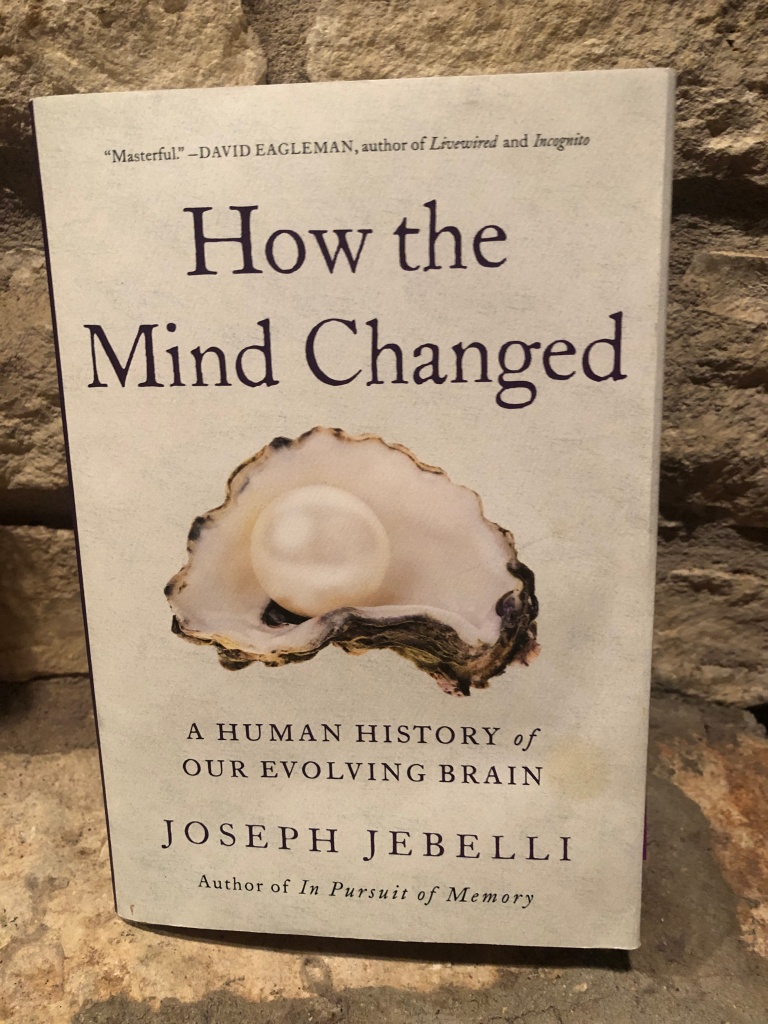
Reportedly one writing instructor has suggested that authors “include smell on every page.” These two mystery writers don’t obey that injunction (do you know any who do?). But why is scent so critical for us? Apparently the amygdala (a paired structure, with one in each temporal lobe) “developed from our most primitive sense—the sense of smell.” Joseph Jebelli, How the Mind Changed (Little, Brown, Spark, 2022, at 30). It’s near the olfactory nerve which is why scents connect strongly to emotions and memories. https://my.clevelandclinic.org/health/body/24894-amygdala
What scents spark your own memories? If a book mentions honeysuckle on a summer day, I might remember my grandparents’ front porch in Itasca, Texas, and how we learned as kids to suck nectar from a honeysuckle blossom. What pops up for you when a book mentions lavender? Or clean sheets? Baby powder? Or iodine, rubbing alcohol, band-aids? Marshmallows toasting on a stick? Pine straw underfoot? The first ocean breeze when you hit the beach? Does a book feel richer to you when your own memories are awakened?
What about the scent of January? Today’s the coldest day of 2024 so far, here in the Hill Country. Inside – hot tea: mint, chamomile, green, or maybe ginger slices, with honey and lemon. Outside, cedar burning in a neighbor’s brush pile.
Resolution 3: Character’s thoughts (and feelings)! In Treasure Hunt Camilleri includes a hilarious italicized interchange between Montalbano (called “Montalbano One”) and “Montalbano Two” where Montalbano Two criticizes Montalbano One’s case-handling as showing signs of deterioration, of “losing his cool,” highlighting Montalbano’s own concerns about aging. (18-19)
Camilleri also uses other techniques to put us in Montalbano’s head. Here’s one from Rounding the Mark, where, again, Montalbano’s worrying about getting older:
“As he was shaving, the scenes of the previous evening on the wharf ran through his head again. Little by little, as he reviewed them with a cold eye, he began to feel uneasy…. There was something that didn’t jibe….He stubbornly played the scenes over in his head, trying to bring them more into focus. No dice. He lost heart. This was surely a sign of aging. He used to be able to find the flaw, the jarring note…without fail.” (61)
Camilleri lets his character feel. When a small boy is kidnapped from north Africa by sex traffickers and escapes on the pier in Sicily, Montalbano returns him to his “mother,” not understanding she isn’t his “mother” at all. When the little boy is killed Montalbano visits the morgue:
“He lifted the sheet with one hand…and froze. A chill ran down his spine. It all came back to him at once: the look the little boy had given him as his mother ran up to take him back….he hadn’t understood that look. Now…he did. The little eyes were imploring him. They were telling him for pity’s sake, let me go, let me escape. And now…he felt bitterly guilty…He was slipping. It was hard to admit, but true… “(84)
In contrast, Cormoran Strike is more inscrutable, more unwilling to reveal his emotions, perhaps even to himself. Galbraith describes Strike as a “mentally resilient man” who tries but sometimes fails to control emotion. One of his tools “was a habit of compartmentalization that rarely failed him, but right now, it wasn’t working. Emotions he didn’t want…and memories he generally suppressed were closing in on him…” As a consequence he was “brooding so deeply that he barely registered the passing Tube stations and realized, almost too late, that he was already” at his stop. (105) In one scene after visiting his sister Strike starts home feeling very angry at his dead mother, who died of an overdose when he was nineteen. Galbraith then uses italics for Strike’s mental attack on her: “If you hadn’t been what you were, maybe I wouldn’t be what I am. Maybe I’m reaping what you sowed, so don’t you f*king laugh at the army, or me, you with your paedophile mates and the squatters and the junkies…” (106) These passages show the reader Strike’s painful upbringing and may partially explain his need (and ability) to compartmentalize—both, ironically, key to his later success.
Strike drinks, smokes, has sex, but almost in the same way as he gulps down fast food. Food seems temporarily satisfying, but not a life pleasure. Early on we become aware that the strongest sensation Strike is described as experiencing is the pain of his stump, and the relief he experiences when he removes his prosthetic. In his compartmentalization of his emotions, has he replicated this binary condition? (No spoilers here!)
Resolution Four: The Weather! Camilleri and Galbraith’s characters don’t always focus on weather, but here in the Texas Hill Country we must take notice. It’s too cold (like today), too hot (pretty soon), too wet (spring rain bombs and dangerous low-water crossings), or too dry (like last summer’s dreadful drought). Blessings on March, which will bring bluebonnets and the ethereal prairie celestial, then wine cups, with the pink of redbud and Mexican buckeye to rejoice the eye. But weather’s definitely a factor in upcoming Book 9 of the Alice MacDonald Greer Mystery series. Watch for it—coming soon!
Late last night, 2 a.m. to be more precise, I finished binge watching the BBC series Luther. Hulu informed me that it would be gone at the end of the month so of course, I had to panic and watch all four seasons. (I knew that I had at least seen season one, possibly season two, but I couldn’t remember how it went. So I had to watch most of the episodes. Turns out that I had seen the first three seasons. But, as I said before, since I couldn’t recall what had happened, it was like watching all over again. Does that happen to anyone else?)
And today I’ve got English slang going through my head (Wotcha!) and all I want to do is talk to poor Luther. So here goes.
Dear Luther,
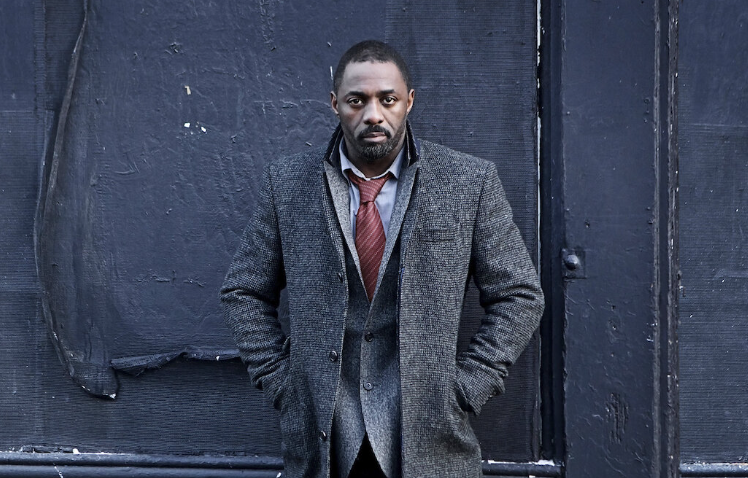
I know that the there’s a Luther movie on Netflix but I’m not sure that I could bear to watch it. Will you be making the same impulsive decisions that continued to get you, and those close to you, into trouble? I know that sometimes your spontaneous plans work out and you amaze people with your ingenuity and bravery! But sometimes they don’t. How often do you tell people to trust you and it all goes horribly wrong?
Oh, Luther. You have a huge heart for those that need your help, and you can be cold as ice to those who try to harm people. We love that about you. You are an alpha among alphas. Who else could take out an assassin and their accomplice with only a trashcan and bare fists? Who else has been shot, stabbed, and tased multiple times and walks it off? There’s no question that you are a badass. But please, next time that you’re shot in the leg and there are several ambulances on the scene, avail them of their help and don’t limp off into the sunset.
And sometimes being an alpha isn’t an asset. It’s time to start assessing your actions and getting smarter. Have you done that? I hope that you have.
We care about you because you care about people. (Not to mention that you’re incredibly gorgeous. But since that shouldn’t play a part in whether or not we like you, we won’t mention it. Mums the word, Boss.)
Last I saw you, you were in quite a predicament. (No spoilers here for those who don’t know.) I wonder if you were able to get out of that. Have you found love? You had a unique relationship with Alice (loved her character!) though I think it played out the way that it was always going to.
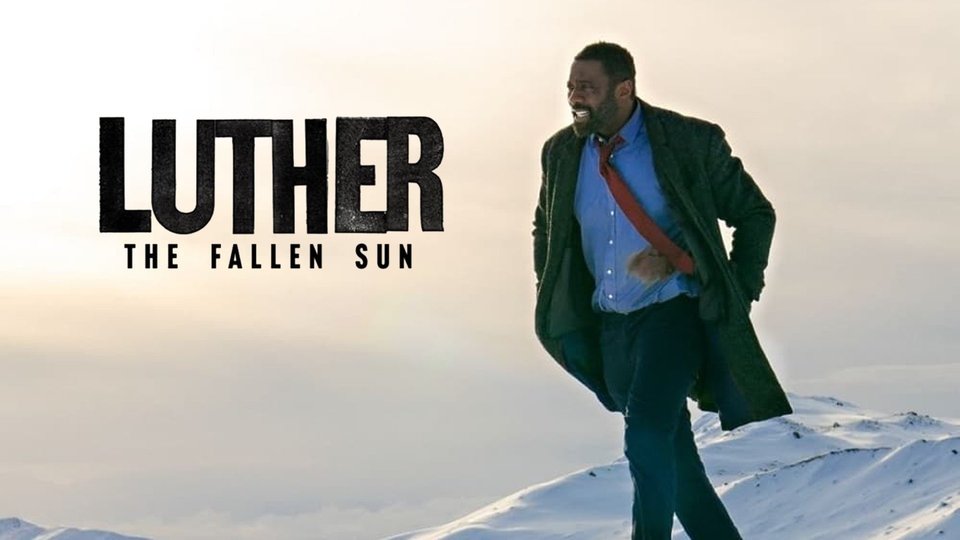
Okay, okay. I’m dying to see what’s happened! I’ll be watching the new movie, Luther: The Fallen Sun soon. The title is not inspiring confidence that you’ve changed. And where are you? It looks like your iconic black coat won’t keep you warm in the tundra. (But you still look damn good. Not that that really matters.)
Please don’t break my heart! I hope you’ve learned some lessons and you save the day.
The world has been a crazy place since the emergence of Covid-19. Although it’s still out there, I’ve begun to venture forth into the world and attend author events. It feels wonderful to get back into the world of books and speaking with other writers! I think the last event I went to was the Bullet Books event in February of 2020 at the Bosslight Bookstore in Nacogdoches. (Fellow AMW writers Kathy Waller, Helen Currie Foster, and Laura Oles are also Bullet Books authors.)
The whole crewScott Montgomery and Joe LansdaleSwapping liesThe first batch
My first foray back into the public realm was a Noir At The Bar event in Dallas back in June. Of course, it was outside and still blazing hot even though it started at 7. But I had such a great time listening to the other authors that it was worth it! Not a dud in the bunch. We laughed at some stories and were creeped out by others. I read a short piece that I wrote a few years ago, Tutusuana. (“Tutusuana” is a Comanche word that’s explained in the story.) It was nice to see old friends and finally meet online friends in person. Loved the experience. I highly recommend The Wild Detectives bookstore/bar. This is a jewel in the Bishop Arts district in Dallas.
Mike McCraryEryk PruittWilliam Dylan PowellHarry HunsickerJim NesbittKathleen KentKasey LansdaleKevin R. TippleKeith LansdaleWho is this scary, short lady? Me!Scott MontgomeryJoe LansdaleTran Quỳnh Thị Vũ and Patrick Noel Batalla PombuenaOrganizer of event, Johnny WesnerPoster I designed
Now we travel to Book People. Yesterday, August 21, I went to my first Book People event since pre-Covid. Mark Pryor has a new book Die Around Sundown. This is the first book in a new series so of course I had to be there to cheer him on! I’m excited to read this book. It’s an historical mystery set in Nazi-occupied France. I enjoyed the book talk and, again, seeing friends in person that I haven’t seen in a while.
New books!Scott Montgomery introducing Mark Pryor
This Wednesday I plan to go to an author event at my local library. I haven’t met Michael Miller but since I live in a small town, I want to attend events and provide support. He’s a long-time university professor, presently at Texas State. And he is also a Presbyterian minister, serving La Iglesia Presbiteriana Mexicana for the last ten years in San Marcos. His book is The Two Deaths of Father Romero: A Novel of the Borderlands. Sounds interesting!
Then the next day I’ll be back at Book People, if the roads aren’t flooded. (We’ve been in a severe drought this summer, as much of the world has been too. I’m looking forward to the rain, but I hope it’s a slow, soaking rain and not a deluge.)
It’s going to be epic. Two of the authors are NYT best selling authors. All of the panelists are Texas mystery authors with stories set in Texas. You know I’m gonna love that. https://www.bookpeople.com/event/mystery-author-panel
Note: AMW member Helen Currie Foster will be on the panel too.
What a busy week! Looks like I have a lot of reading in my future. A few more books to add to my TBR (To Be Read) pile. My shelves are sagging. I better get busy, or build more shelves!
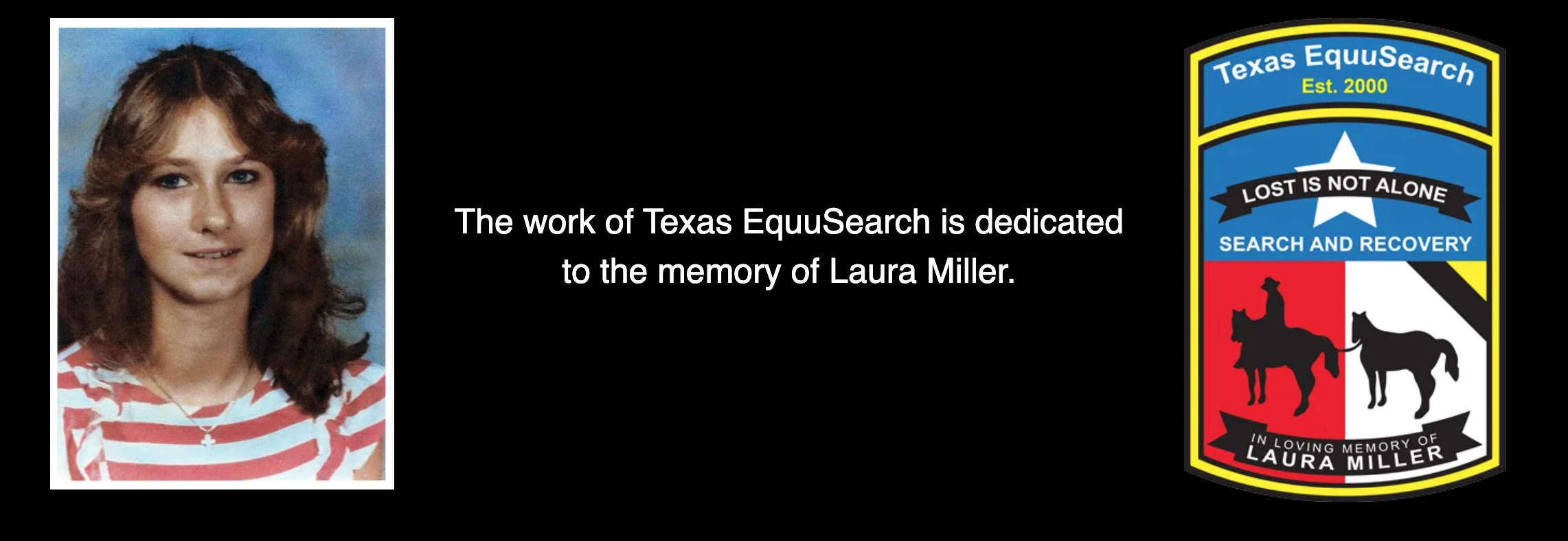
If you keep up with any missing persons notices, especially in Texas, you’re likely to come across the name of an incredible organization, Texas EquuSearch.
Texas EquuSearch, a 501(c)(3) nonprofit organization, which is funded solely by donations, started in 2000 and has grown to over 1,000 members. They use the best technology available while providing compassion and understanding to the families. They are thorough and professional and get results.
According to their website, their members:
“…come from all walks of life, consisting of business owners, medics, firefighters, housewives, electricians, students, former FBI and law enforcement, current law enforcement, former and current U.S. Marshall, Coast Guard and all walks of military, former and current, on our team. Our resources range from horse and rider teams to foot searchers and ATVs. We conduct water searches using boats, divers and sonar equipment. Additionally, we perform air searches using planes, helicopters and small drone airplanes with highly sophisticated cameras. We have also utilized infrared and night vision cameras, along with ground penetration units in some of our searches. Texas EquuSearch has more resources than most law enforcement agencies, which allows law enforcement to conduct their investigation, while Texas EquuSearch conducts organized searches. This has worked out to be a great working relationship between law enforcement and Texas EquuSearch. This has also resulted in Texas EquuSearch being contacted by law enforcement agencies across the nation to assist them in their missing person cases.”
They have been involved in over 1,800 searches in 42 states and in other countries. They have helped find over 400 missing people, many who would have been deceased if they hadn’t been found, and many of the cases have resulted in criminal convictions. And because so many of the organization’s members are knowledgeable about law enforcement and proper procedures, evidence has never been compromised during any of the searches.
Unfortunately, the reason for the organization has stemmed from tragedy. The daughter of TE director Tim Miller, Laura Miller, was abducted and murdered in 1984, in north Galveston County. Again, from their website,
“To date, there has been no arrest in this case. Additionally, Jane and Janet Doe, who were also found near Laura’s body, have not been identified. Tim Miller continues his fight every day to ensure Laura gets justice. As a result of the death of Laura Miller, Texas EquuSearch was born. Laura Miller’s spirit lives on. Tim Miller has dedicated his life to helping families with missing loved ones. Tim has vowed to never leave a family alone if there is anything he can do to help them. Our motto is “Lost is Not Alone.””
Tim Miller has appeared in countless TV programs, news articles, and spoken at many law enforcement conventions. He has also received the “Point of Light” award by George W. Bush and other notable awards from cities who understand the commitment and dedication he gives to families in need of the organization’s help.
I hope that the Miller family will get their answers, like they’ve done for so many others.
If you would like to know more about the organization, give a donation, or become a member, you can find more information on their website.













 Austin Mystery Writers